Rule by Regulation
On Monday, the Environmental Protection Agency finalized a new set of emissions standards for mid-size industrial facilities — standards that will cost an estimated $4.2 billion in annual compliance expenses and affect roughly 12,000 businesses across the Midwest and Gulf Coast.
Congress did not vote on these standards. No committee hearing was held. No floor debate occurred. The EPA simply published a 847-page rule in the Federal Register, gave the public 60 days to comment, received over 40,000 objections, and finalized the rule anyway.
This is how the administrative state works. Not through the democratic process the Founders designed, but through a bureaucratic machinery that operates on its own authority, its own timeline, and its own priorities.
The Major Questions Doctrine — Under Pressure
The Supreme Court's West Virginia v. EPA decision in 2022 was supposed to rein this in. The major questions doctrine requires clear congressional authorization for agency actions of vast economic or political significance. But the EPA has adapted. Instead of one sweeping rule, it issues dozens of narrower ones — each individually below the threshold that might trigger judicial scrutiny, but collectively representing the same regulatory agenda.
It's death by a thousand paper cuts, and the courts haven't figured out how to address it.
The question isn't whether these regulations are good policy. Some may be. The question is whether unelected bureaucrats should be making policy decisions that affect millions of Americans without democratic accountability.
Who Benefits
Large corporations can absorb compliance costs. They have legal departments, environmental officers, and lobbyists who helped shape the rules in the first place. The businesses that suffer are the mid-size manufacturers, the family-owned plants, the regional operations that employ 50 to 500 people and operate on thin margins.
These are the businesses that don't have a seat at the regulatory table. They learn about new requirements when their trade association sends a newsletter or when an inspector shows up.
The Constitutional Question
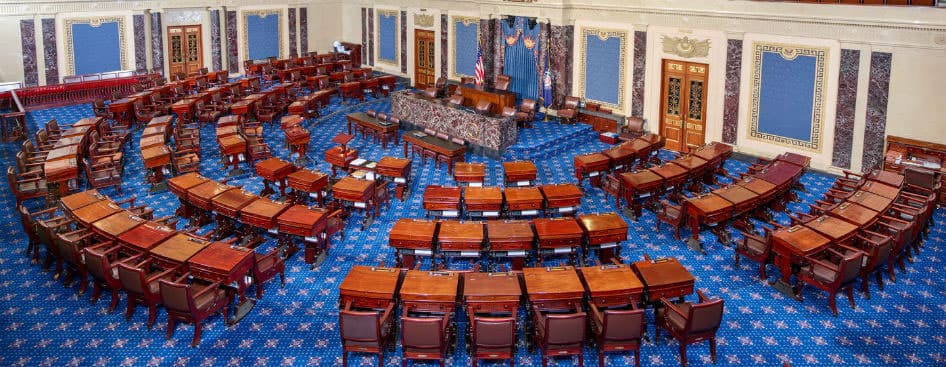
Article I, Section 1 of the Constitution vests all legislative powers in Congress. Not some. Not most. All. The delegation of those powers to executive agencies was never contemplated by the Framers, and the nondelegation doctrine — which would require Congress to make the key policy decisions itself — remains largely unenforced.
Until the courts or Congress address this structural problem, the administrative state will continue to govern by fiat. Your representatives will continue to campaign on promises they cannot keep, because the real power has already been delegated to agencies they barely oversee.
The republic requires elected lawmakers to make law. Everything else is a workaround — and workarounds have a way of becoming permanent.