My Morning at O'Hare
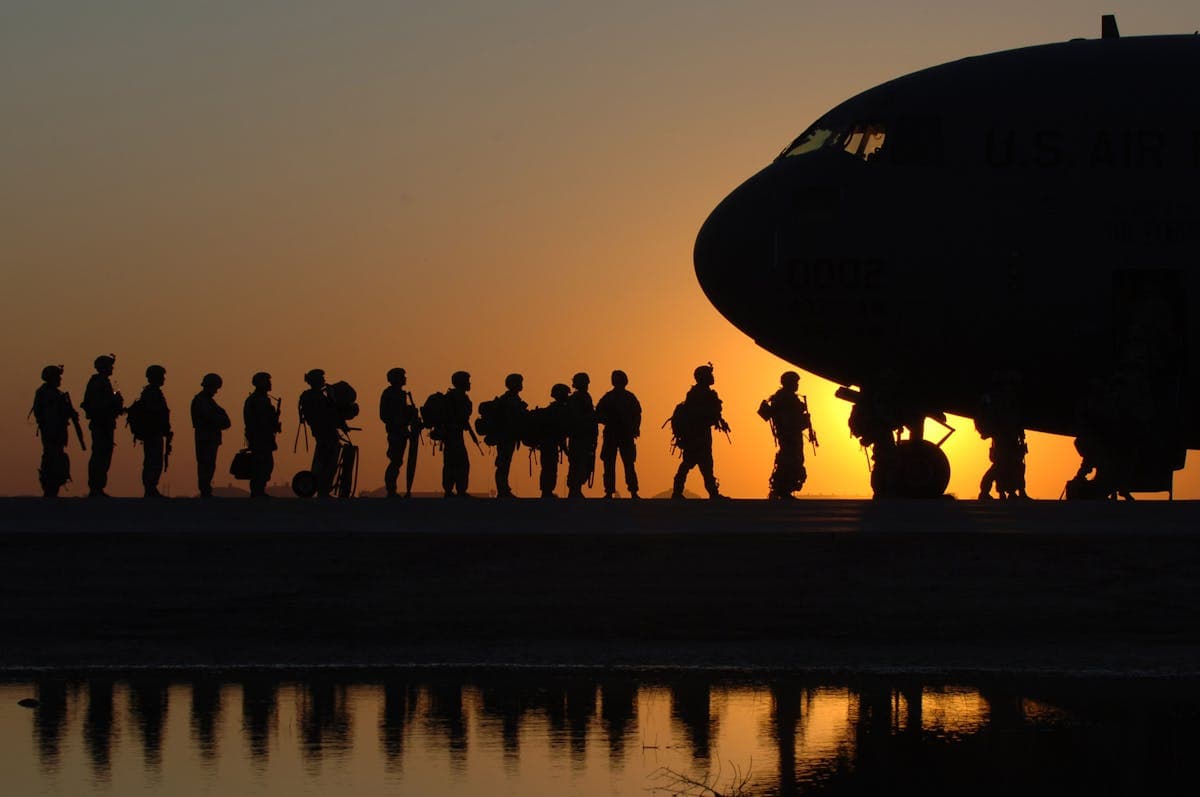
I was at O'Hare on Friday. I got there two hours before my flight — which I thought was plenty, because I have TSA PreCheck and I know how to move through airports. By 6:40 AM, the PreCheck line was backed up past the United check-in counters. I watched a woman in front of me miss her connection to Atlanta. She had a job interview. She was dressed for it. She rescheduled at the gate counter with that particular kind of quiet devastation that you recognize immediately.
That's the human cost the press releases don't capture. Not "delays." Not "inconvenience." A missed interview. A lost day. A story that doesn't end when the flight boards.
The DHS shutdown has forced airports from LAX to JFK to issue advisories telling passengers to arrive four hours before domestic flights. Four hours. For a domestic hop. That's not an airport problem. That's a government problem, and the government should own it.
The Staffing Math Is Brutal
TSA has approximately 60,000 screeners nationwide. In a shutdown, they work without pay. Some call out sick — the technical term is "unscheduled absences" but everyone knows what it means. During the 2019 government shutdown, which lasted 35 days, TSA callout rates at some airports spiked above 10 percent. At Hartsfield-Jackson in Atlanta — the busiest airport in the world by passenger volume — entire security lanes closed for hours at a stretch.
We're seeing the same pattern now. Reduced lane capacity plus normal passenger volume equals the lines you're standing in. The math isn't complicated. The politics is what's complicated.
And here's what gets me: the people suffering through these lines are not the people who caused this. They're not senators. They're not budget negotiators. They're a retired couple flying to see grandchildren in Phoenix. They're a salesperson who booked this flight six weeks ago. They're the woman in the interview outfit at O'Hare who had done everything right.
The people who caused this are in Washington. They're not standing in any lines.
The Small Business Body Count
Travel delays don't just inconvenience leisure travelers. They cascade through the entire small business economy in ways that never get measured in the shutdown post-mortems.
The meeting that doesn't happen. The deal that doesn't close this week. The conference presentation that gets delivered by Zoom instead of in person, with all the diminished persuasion that entails. Small business owners don't have the corporate infrastructure to absorb these disruptions. They don't have executive assistants rerouting them through alternate airports or rebooking first-class seats on the next flight out. They eat the loss and move on.
The National Federation of Independent Business estimated in 2019 that the 35-day shutdown cost small businesses hundreds of millions in disrupted contracts, delayed SBA loans, and lost productivity. This shutdown is younger. But it's going the same direction.
The federal government is not a neutral background condition. When it malfunctions, the failure lands somewhere. It lands on the woman at O'Hare. It lands on the contractor waiting for a federal permit that isn't being processed. It lands on the small importer trying to clear customs with reduced CBP staffing.
The Libertarian Case Against Shutdown Chic
Let me be clear about something: I want a smaller federal government. I want a dramatically leaner TSA. I think airport security has been theater-heavy and results-light since the day it was federalized in 2002. I would prefer a system that returns more security screening to private operators with federal standards rather than a 60,000-person federal workforce.
But that's not what a shutdown is. A shutdown isn't principled downsizing. It's random, chaotic degradation of systems that real people depend on right now, with no corresponding reduction in the long-term size or cost of government. The employees still get back pay. The contracts still run. The shutdown costs money while providing zero structural reform.
It's the worst of both worlds: government-as-usual dysfunction, plus the inconvenience of deliberate malfunction, plus the political theater of everyone posturing about principle while achieving nothing durable.
If you want to cut TSA, cut TSA. Legislate it. Phase it. Build the alternative. Don't just turn off the lights and call it governance.
The four-hour lines at American airports aren't proof that government shutdown is a useful policy tool. They're proof that when you break something people rely on, the cost doesn't fall on the people who broke it. It falls on a woman in a blazer who missed her interview. And then everyone goes back to Washington and calls it a principled stand.