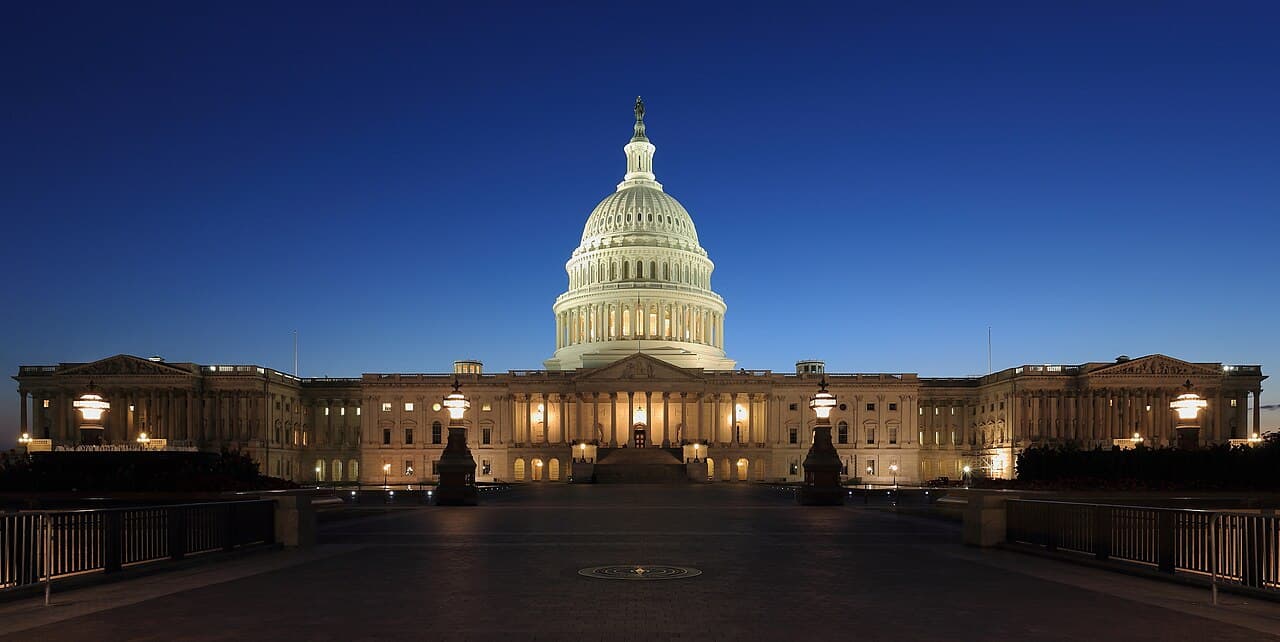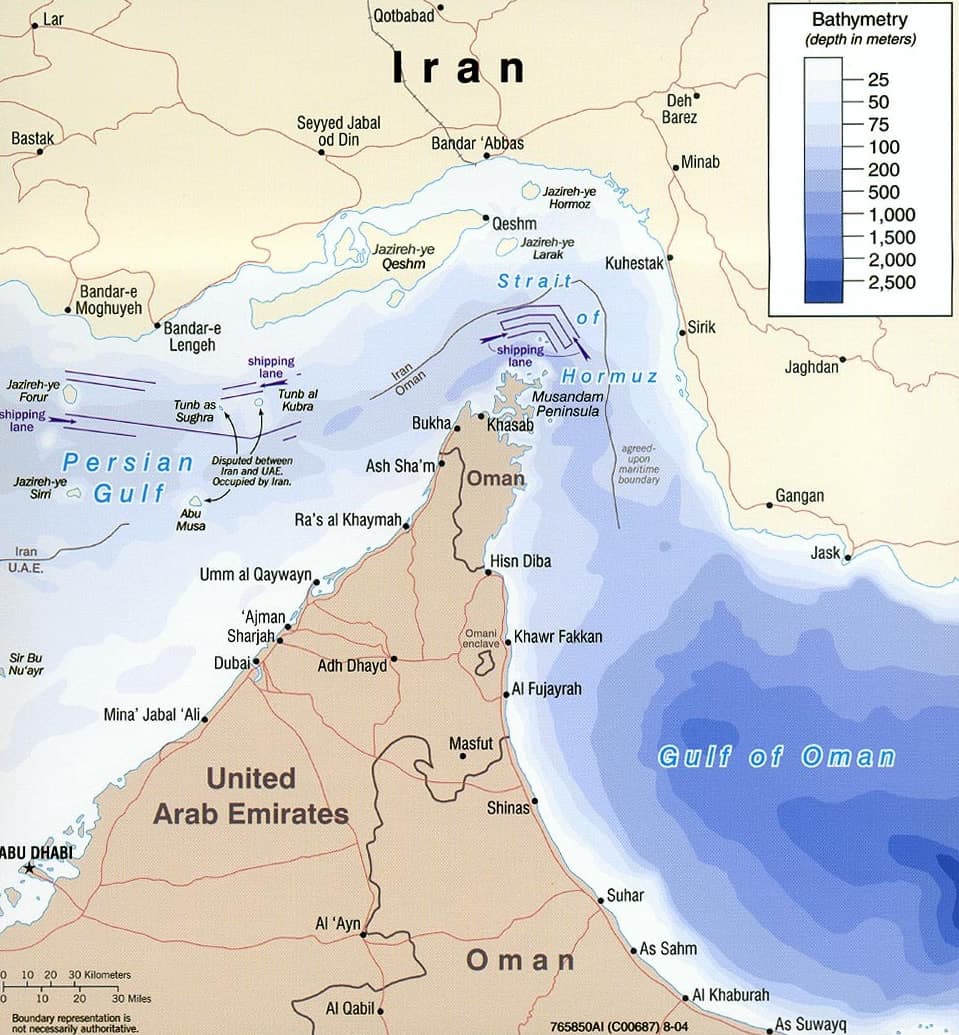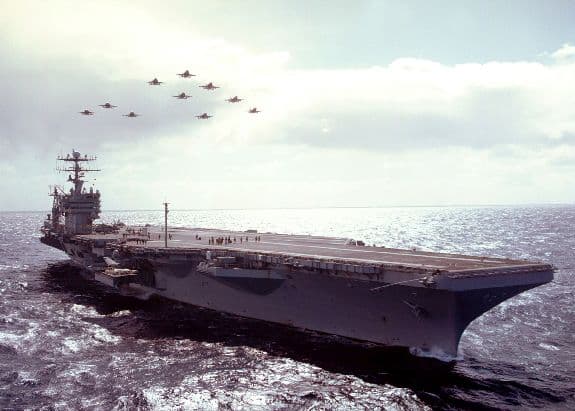
The critics were predictable. Within hours of Operation Epic Fury's launch, the usual chorus assembled: constitutional overreach, unilateral aggression, war without authorization. The words were different but the melody was identical to every objection raised before every decisive American military action of the past half-century.
Here is what the critics will not address: what was the alternative?
A nuclear-armed Iran. That was the alternative. Not a theoretical nuclear-armed Iran in some distant future scenario, but an Iran that was actively reconstituting its nuclear weapons program after the June 2025 strikes, enriching uranium to 60 percent purity, restricting international inspections, and simultaneously arming proxy forces across the entire Middle East.
The Strength Doctrine
The doctrine of peace through strength does not mean perpetual war. It means that when a threat is identified, when diplomacy has been exhausted, and when delay makes the eventual confrontation more costly, you act. You act decisively, you act comprehensively, and you accept the short-term consequences to prevent catastrophic long-term ones.
President Trump's administration determined that a nuclear-armed Iran — an Iran with the ability to hold the entire Middle East hostage under a nuclear umbrella — posed an unacceptable threat to American national security and the stability of the global order. The Arms Control Association may call that assessment "chaotic and reckless." The 40 officials eliminated in the strike, including the head of Iran's nuclear weapons research organization, would have called it accurate.
The Precedent That Matters
Consider the counterfactual. Had the United States not acted, Iran would have completed its nuclear weapons program — perhaps within 18 to 24 months. At that point, every option available today would have been off the table. You do not launch airstrikes against a nuclear-armed state. You do not threaten regime change against a government that can retaliate with nuclear weapons. You negotiate from a position of weakness, accepting whatever terms the nuclear power dictates.
That is the world the critics would have us accept. A world where the largest state sponsor of terrorism acquires the ultimate weapon, where the security of Israel and every Gulf state depends on Iranian restraint, and where American credibility as a security guarantor evaporates.
The strikes were costly. Iran's retaliation has already hit Gulf cities, disrupted global oil markets, and created genuine hardship that American families will feel at the gas pump. These are real costs, and dismissing them would be dishonest.
But they are costs measured in dollars, disrupted flights, and temporary price spikes. The cost of inaction would have been measured in something far more permanent.