I Drove Eight Hours to See for Myself
When the reports started coming out of Wilmore, Kentucky, that a routine Wednesday chapel service at Asbury University had spontaneously turned into continuous worship that just... wouldn't stop, my first thought was skepticism. I've seen enough manufactured church moments to last a lifetime. The fog machines. The emotional manipulation. The altar calls that are really just good marketing.
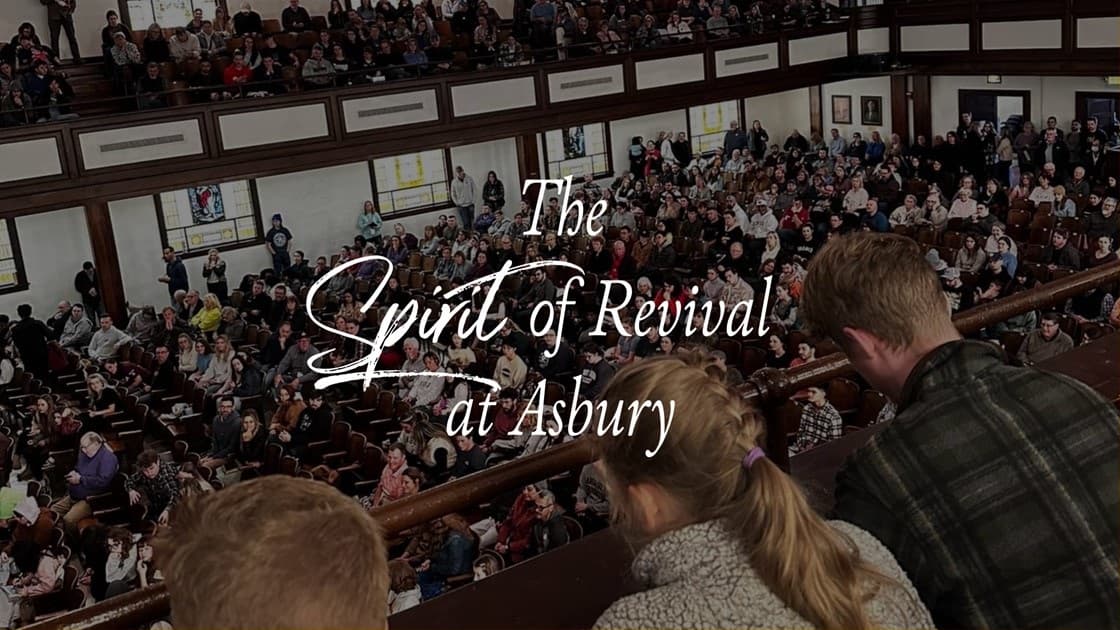
So I got in my truck and drove eight hours from Nashville to see for myself. What I found wasn't a performance. It wasn't a production. It was the most unphotogenic, unmarketable, genuinely strange thing I've ever witnessed: a couple hundred college students, most of them in sweatpants, singing hymns that are older than their grandparents, praying for hours, weeping openly, and showing no signs of stopping.
No celebrity pastor. No worship band with a record deal. No merch table. Just kids and Bibles and a wooden chapel that smelled like old hymnals.
What the Critics Missed
The internet, that great factory of bad takes, responded predictably. "It's just emotions." "It's mass hysteria." "It's a social media stunt." One particularly confident theologian on Twitter declared it "not a real revival" because it lacked the proper theological framework. I'm paraphrasing, but barely.
Here's what the critics missed: those students weren't performing for anyone. The first three days happened with almost no media coverage. No one livestreamed it initially. There was no social media strategy. A chapel service ran long, and then it ran longer, and then people started driving from other states because word of mouth travels faster than skepticism.
Honey, I've spent thirty years in church. I know what manufactured looks like. This wasn't it. You can't manufacture what I saw on those kids' faces. That wasn't hype. That was hunger.
What It Means
Gen Z is the loneliest generation in American history. The data backs this up, Surgeon General's advisory, record depression and anxiety rates, a generation that grew up with a screen where a community used to be. They were sold connection and given content. They were promised community and given comment sections.
What happened at Asbury was what happens when the prescription fails and the patient goes looking for the cure. Not in an app. Not in a self-help book. In the oldest remedy available: getting in a room with other human beings and reaching for something bigger than yourself.
The revival lasted sixteen days. Then the university leadership, wisely, in my opinion, redirected it into smaller gatherings to prevent it from becoming exactly the spectacle the critics accused it of being.
The Takeaway
Revival doesn't need a platform. It doesn't need a marketing budget. It doesn't even need a plan. It needs hungry people and an open Bible. The pundits who declared American faith dead might want to visit a college campus before they publish the obituary.
The harvest is plentiful. Turns out the workers just needed to be nineteen years old and wearing Crocs.