The Crowd That Turned
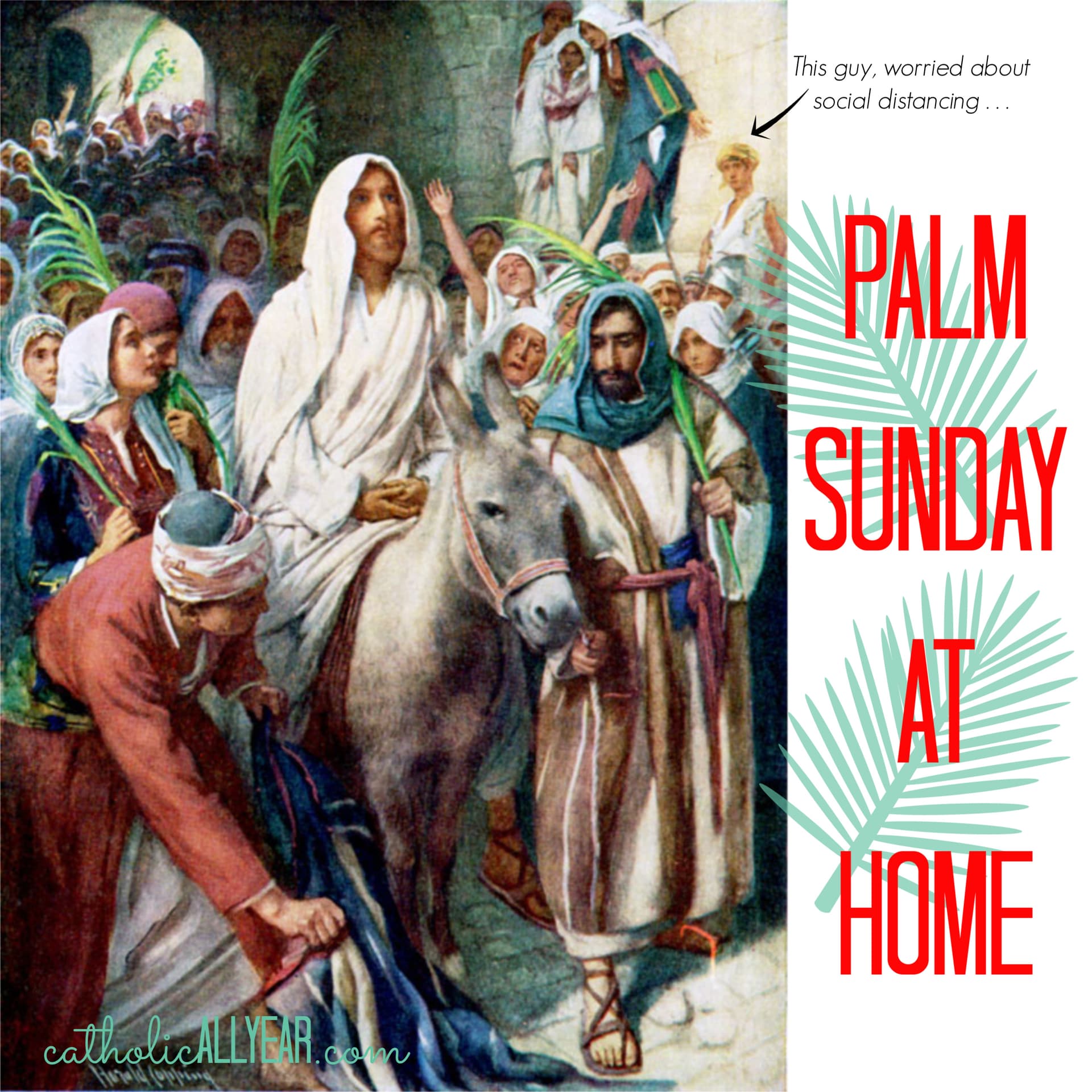
There is a reason Holy Week begins with palms and ends with a cross. The Gospel of John records the same Jerusalem crowd that spread cloaks and branches before Jesus on Sunday returned five days later to demand His execution before Pilate. They shouted "Hosanna" when He looked like a conqueror, and "Crucify Him" when He refused to be one. That turnaround is not ancient history. It is a warning written in our own language, repeated in every generation that mistakes popularity for conviction.
We live in a culture that loves a parade. Americans will pack stadiums, line streets, and fill social media feeds for any cause that offers a moment of shared excitement. The same impulse shows up in church parking lots on Palm Sunday, when pews swell with faces we will not see again until Christmas Eve. A 2023 Pew Research Center survey found that 62 percent of Americans say religion is very or somewhat important to them. The number sounds encouraging until you compare it with what people actually do. Regular worship attendance sits far lower, and the gap between religious interest and religious commitment has never been wider.
Palm Sunday exposes that gap. It asks whether we are following Jesus or just applauding Him. It forces us to admit that enthusiasm is cheap, but loyalty is costly. The branches waved on that first Palm Sunday cost nothing. The cross cost everything.
When Christianity Becomes Convenient
The modern church faces a temptation older than the temple stones. We want the blessing without the obedience, the crown without the cross, the Savior without the sacrifice. That is why Palm Sunday feels safer than Good Friday. Palms are festive. Crowds are affirming. But the cross requires us to die to ourselves, and that is a price the applause crowd rarely pays.
Gallup documented the drift in 2021 when it reported that church membership in the United States had fallen below 50 percent for the first time in the polling organizations long history, dropping to 47 percent. The decline did not happen because Americans stopped believing in God. It happened because millions decided that organized faith, with its demands on time, morality, and money, no longer fit their schedules. We became a nation of spiritual tourists, sampling worship when it suits us and checking out when it costs us.
The result is a Christianity trimmed to convenience. We keep the hymns that comfort us and discard the commands that challenge us. We celebrate the entry into Jerusalem but skip the Upper Room, the Garden, and the hill called Calvary. Lifeway Research has noted that Easter Sunday routinely draws one of the highest attendance figures of the year, yet many of those visitors vanish before the lilies wilt. Palm Sunday, in this light, is not the beginning of discipleship. It is often the peak of performative religion.
That performance is dangerous because it flatters us into thinking we are faithful when we are merely fashionable. The crowd on the first Palm Sunday looked righteous. They quoted Psalm 118. They recognized, in some fashion, that Jesus was the promised King. But their recognition was shallow. When He failed to perform on cue, when He challenged their assumptions rather than confirm them, they turned. Their faith was conditional, and conditional faith is no faith at all.
Faith That Outlasts the Parade
True Christian faith does not depend on the mood of the crowd. It does not require a winning season, a friendly culture, or a full sanctuary. It requires a fixed allegiance to Christ even when the parade moves on and the shouting stops. The apostles learned this the hard way. On Sunday they walked beside the Lamb. By Friday most had scattered. Only John and the women stood near the cross. That small group tells us something the palms cannot: faithful presence matters more than festive enthusiasm.
We see the same test in our own neighborhoods. A parent loses a job. A marriage cracks. A diagnosis lands like a thunderclap. In those moments, the faith that survives is not the faith that waved branches on a sunny morning. It is the faith that kneels in Gethsemane and says, "Not my will, but Yours be done." It is the faith that returns to worship when the headlines are grim, the offering is a sacrifice, and the culture has moved on to the next thing.
The Alamo Post has always understood that Texas conservatism is about more than politics. It is about ordered liberty, personal responsibility, and the conviction that some truths outlast every election cycle. The Christian faith is one of those truths. But it cannot be inherited like land or passed down like a family name. Each generation must decide whether to follow Jesus past the parade route and into the hard places where discipleship is actually forged.
Public witness is easy when the crowd is with you. Private obedience is what separates the disciple from the spectator. The faithful do not need a camera, a hashtag, or a standing ovation. They need a Lord they will not abandon when the cost rises.
Holy Week gives us that choice every year. We can be the crowd that cheers, or we can be the few who stay. The palms were never the point. They were simply the opening scene of a drama that would reveal who truly loved the King and who only loved the celebration. The applause would fade. The cross would remain. And after the resurrection, the question would still echo down the centuries: when the shouting stopped, where did you stand?
Palm Sunday is about more than palms. It is about whether our faith will outlast them.