When Faith Was Normal in the Barracks
My daddy served two tours in Vietnam with a New Testament in his breast pocket. Not because the Army issued it — they did, back then — but because his mama pressed it into his hands at the Greyhound station in Meridian, Mississippi, and told him it would stop a bullet if God willed it. He came home. The Testament has a crease in it to this day from where he folded it over a photograph of her.
That story would be unremarkable to any generation of American soldiers before about 2015. And now, apparently, it is controversial. The Secretary of Defense quotes the Bible in a speech and the political left treats it like a national security emergency. The Washington press corps writes it up like Hegseth personally banned atheism in the ranks. None of that is what happened.
What happened is that a combat veteran who has been to war, who has buried friends, who has held the weight of what it means to send men into harm's way — that man said faith matters in the formation of warriors. Not as a mandate. As a conviction. And the people who have never been in a foxhole are scandalized.
Let me be plain: they can have their scandal. I'm not interested in it.
What Actually Happened at the Pentagon
Secretary Hegseth has, by multiple accounts, been integrating his Christian faith more openly into Pentagon culture — prayers before meetings, explicit references to Scripture in internal communications, and publicly framing the mission of the United States military in spiritual terms. He's talked about warriors being made in the image of God. He's invoked the idea of a righteous cause.
The critics — and there are many, including retired generals who seem to have discovered constitutional principles right around January 20th of last year — argue this violates the First Amendment's Establishment Clause. That it alienates non-Christian service members. That it creates an environment hostile to religious minorities.
Here's the thing. Every single one of those concerns would be legitimate if Hegseth were mandating religious participation or conditioning promotions on faith. There is no evidence he has done either. What the critics are actually objecting to is a public figure with genuine religious conviction expressing it publicly. That's not an Establishment Clause violation. That's a human being. With a soul. Running an institution full of human beings with souls.
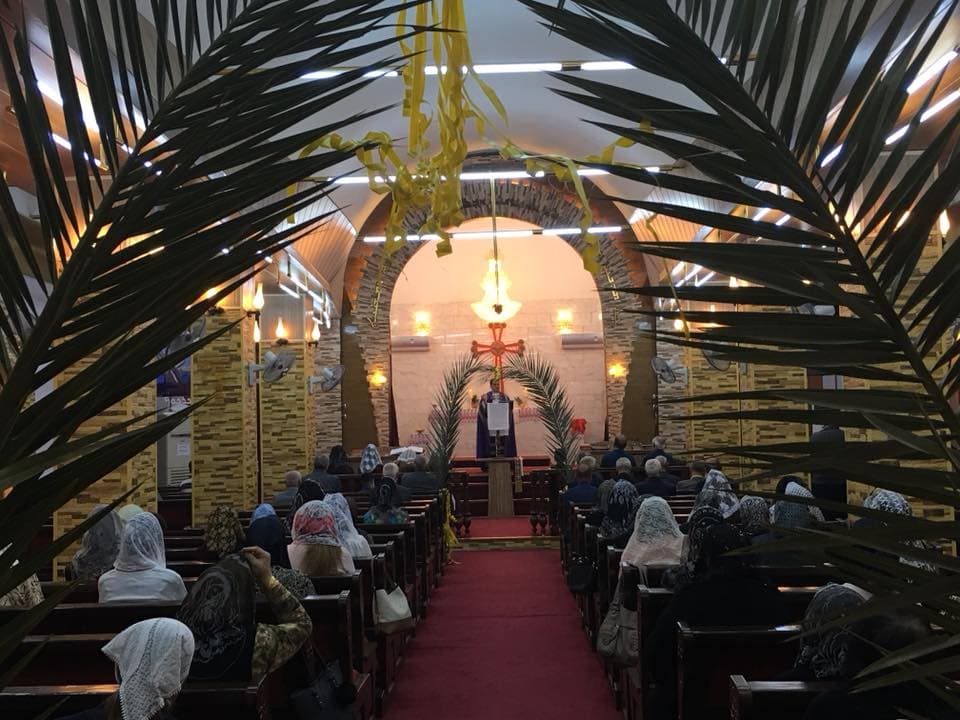
The Army has 300 chaplains. The Navy has chaplains. The Marine Corps has chaplains. The entire institution of military chaplaincy rests on the premise that the spiritual condition of service members matters to their performance, their resilience, and their humanity. If the institutional logic supports chaplains — and it should — then what possible objection remains to the civilian secretary of that institution expressing his own faith?
The Real Target Isn't Hegseth
The secular left has never been comfortable with the relationship between military culture and Christianity. That discomfort predates Hegseth. It drove the 2012 controversies about Pentagon prayer breakfast speakers. It drove the Obama-era pressure on Air Force Academy chapel programs. It drove the sustained campaign to remove religious language from official military contexts that the Family Research Council and Alliance Defending Freedom have documented extensively over the past fifteen years.
The goal — and I'm stating this plainly because it's true — is a military scrubbed clean of any explicit acknowledgment that the people serving in it have transcendent commitments. A military that draws its sense of purpose from HR documents and diversity frameworks rather than from a conviction that there are things worth dying for.
A military like that will not fight. Not really. Not when it's hard.
The men who took Omaha Beach were not motivated by organizational effectiveness metrics. The Marines who held Chosin Reservoir were not sustained by wellness programming. What sustained them was something older and harder and more honest than anything the Pentagon bureaucracy has produced in the last decade. Call it faith. Call it conviction. Call it the knowledge that what they were doing meant something beyond the moment they were dying in.
Hegseth understands this. His critics — who write for major newspapers and appear on cable panels and have never had to explain to a nineteen-year-old from Oklahoma why the person next to him just died — do not.
The Irony the Media Ignores
We live in an era when every major institution is expected to have a "values statement." Corporations release moral frameworks. Universities declare commitments to "justice" and "equity" — terms with obvious ideological content, drawn from a secular progressive worldview, applied without apology to shape institutional culture. Nobody writes breathless stories about whether that constitutes an Establishment Clause violation.
But a Defense Secretary says God, and the republic apparently teeters.
The selective alarm is revealing. The media's objection isn't to moral frameworks in institutions — it's specifically to Christian moral frameworks. Pagan spirituality in Pentagon wellness retreats? Fine. Buddhist mindfulness programs in VA hospitals? Encouraged. The Secretary of Defense openly citing his Christian faith as informing his leadership? Constitutional crisis.
My daddy's New Testament didn't make him a worse soldier. It made him a better man. Better men make better soldiers. That was true in 1968 at Khe Sanh. It's true now at whatever forward operating base some nineteen-year-old from Meridian is sleeping in tonight.
Pete Hegseth isn't injecting religion into the military. He's acknowledging what was always already there. That's not a problem. That's honesty. And an honest military, one that knows what it's fighting for and why, is more dangerous to America's enemies than any weapons system the defense contractors can produce.