What's Actually Happening in That Courtroom
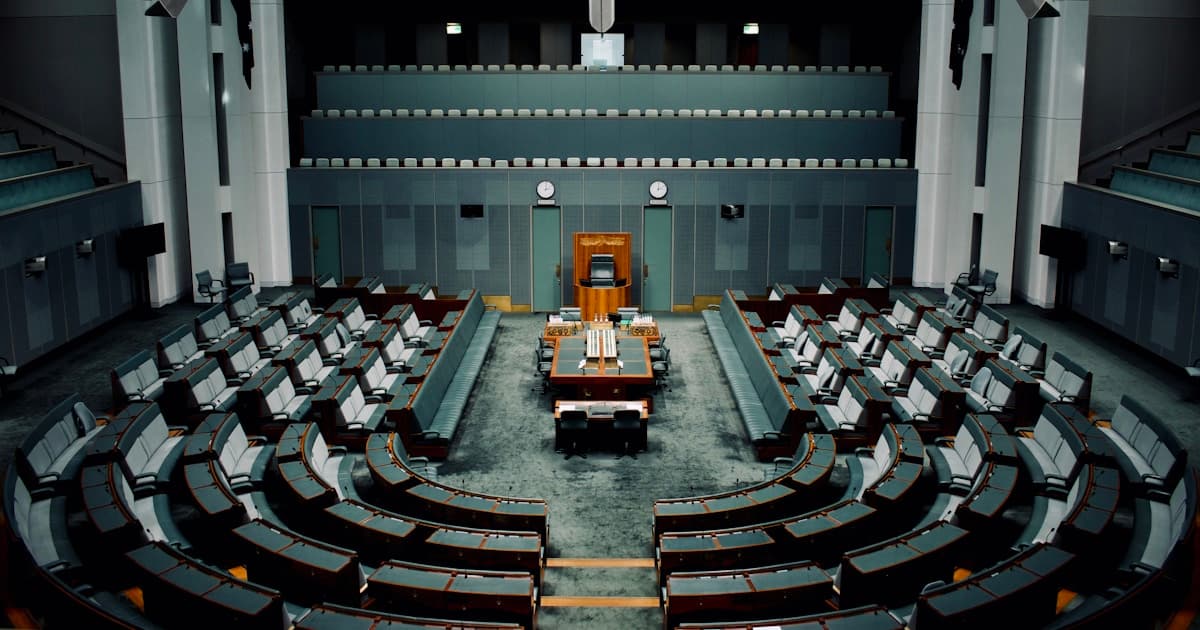
On March 6, 2026, U.S. Customs and Border Protection officials appeared before the Court of International Trade to explain how they intend to process refunds for tariffs that a federal judge ruled were improperly collected. The case stems from tariffs imposed under emergency authorities — the same authorities the Trump administration used to build out its broader trade architecture.
The court found the tariffs exceeded the scope of the emergency powers invoked. The administration disagrees. The argument is now about both the merits of the legal ruling and the practicalities of implementing a refund process for a massive volume of import transactions spanning multiple years.
This sounds technical. It is technical. But the stakes are not abstract.
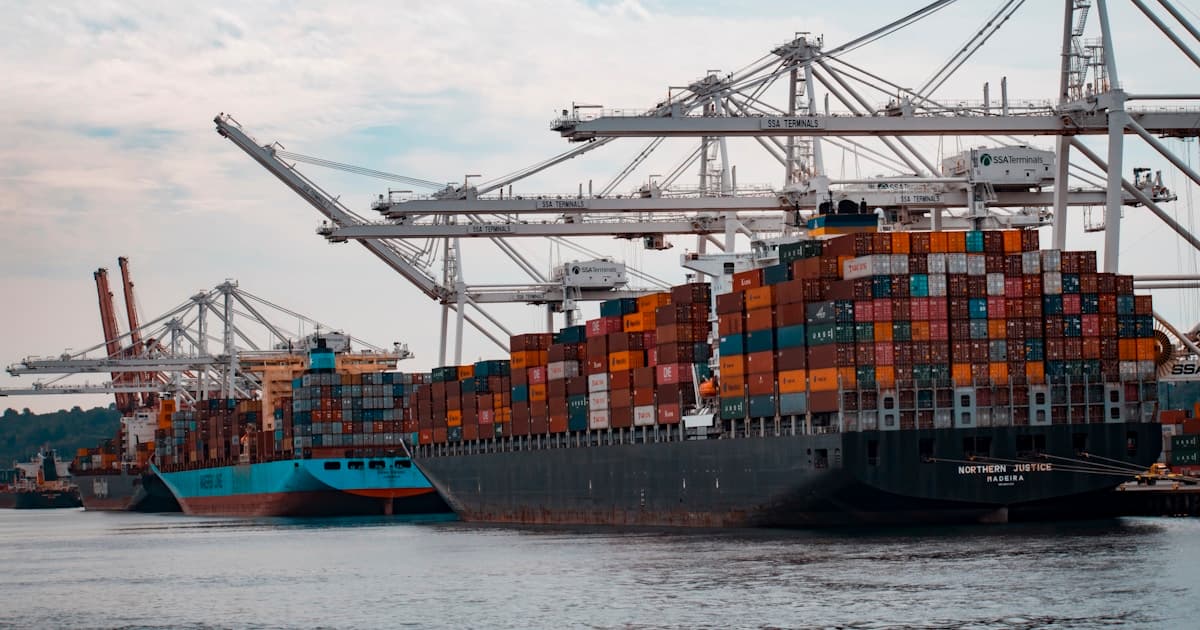
American businesses — importers, manufacturers, retailers — paid these tariffs. Many of them passed the costs to consumers. If the refunds go through at scale, it represents a significant financial reversal. If the administration successfully appeals and the tariffs are reinstated, those same businesses face renewed costs. The uncertainty itself is the problem.
The Bigger Battle
My grandfather came to Texas from Nuevo Laredo in 1971. He built a small importing business bringing Mexican textiles across the border. When NAFTA passed in 1994, it changed his business model overnight — in a good way. When trade rules shifted under USMCA, he adapted again. He spent thirty years learning that trade policy is something that happens to you, not something you control. Small operators absorb these changes. Big ones write the lobbying contracts that shape them.
That dynamic is exactly what's playing out in this court case, scaled up to the national level.
The legal question is whether the executive branch exceeded its statutory authority under the International Emergency Economic Powers Act when it imposed tariffs via emergency declaration rather than through the normal trade legislative process. IEEPA was designed for financial sanctions and asset freezes — using it to levy tariffs across broad categories of goods from multiple countries simultaneously is a creative interpretation that several federal courts have now questioned.
Conservative legal minds are genuinely split on this one. Executive power over trade has been expansive since the post-World War II era, and Republican administrations have generally defended and expanded that executive authority. But there's a coherent conservative argument that tariffs — which are taxes — require congressional authorization, and that emergency powers statutes shouldn't be stretched to cover what amounts to a comprehensive trade policy overhaul.
What This Means for American Businesses
The companies watching this case most closely aren't the multinationals. They have hedging strategies, legal teams, and enough margin to absorb volatility. The ones watching are mid-size manufacturers who sourced inputs under one tariff regime, repriced their products accordingly, and now face potential whiplash in either direction depending on how the appeals play out.
A machine parts importer in El Paso told me last fall that he'd restructured his entire supplier network over eighteen months to account for the tariff environment — moved sourcing from China to Mexico and Vietnam, renegotiated contracts, retooled his cost models. If the tariffs get refunded and then reimposed, or if they're eliminated entirely, none of those restructuring decisions pay off. He made rational business decisions based on the legal environment as he understood it. The court is now telling him the legal environment wasn't what anyone thought it was.
That's the real economic harm from regulatory uncertainty. Not the tariffs themselves, necessarily. The not knowing.
The Constitutional Issue Nobody Wants to Resolve
Congress delegated sweeping trade authority to the executive branch over the course of the twentieth century. It did so for reasons that made sense at the time — international trade negotiations move fast and legislative bodies move slowly. But the delegation was broad enough that administrations of both parties have stretched it progressively further.
At some point, a court has to say the delegation has limits. That's what the Court of International Trade did. Whether it's right on the specifics of IEEPA's scope is a question that will get litigated to the Supreme Court eventually.
But the broader principle — that Congress's constitutional authority over trade and taxation can't be infinitely delegated to the executive via statute — is a conservative principle. The question is whether conservatives are willing to apply it when it constrains a president whose trade goals they otherwise support.
Intellectual honesty requires acknowledging the tension. Trade policy through emergency declaration is convenient for the executive branch. That convenience comes at a cost to constitutional structure. The refund hearing in the Court of International Trade this week is a small chapter in a much longer argument about who actually runs American trade policy. Congress wrote the statute. The executive invoked it. The courts are sorting out what it means. That's the system working, even when the outcome is messy.