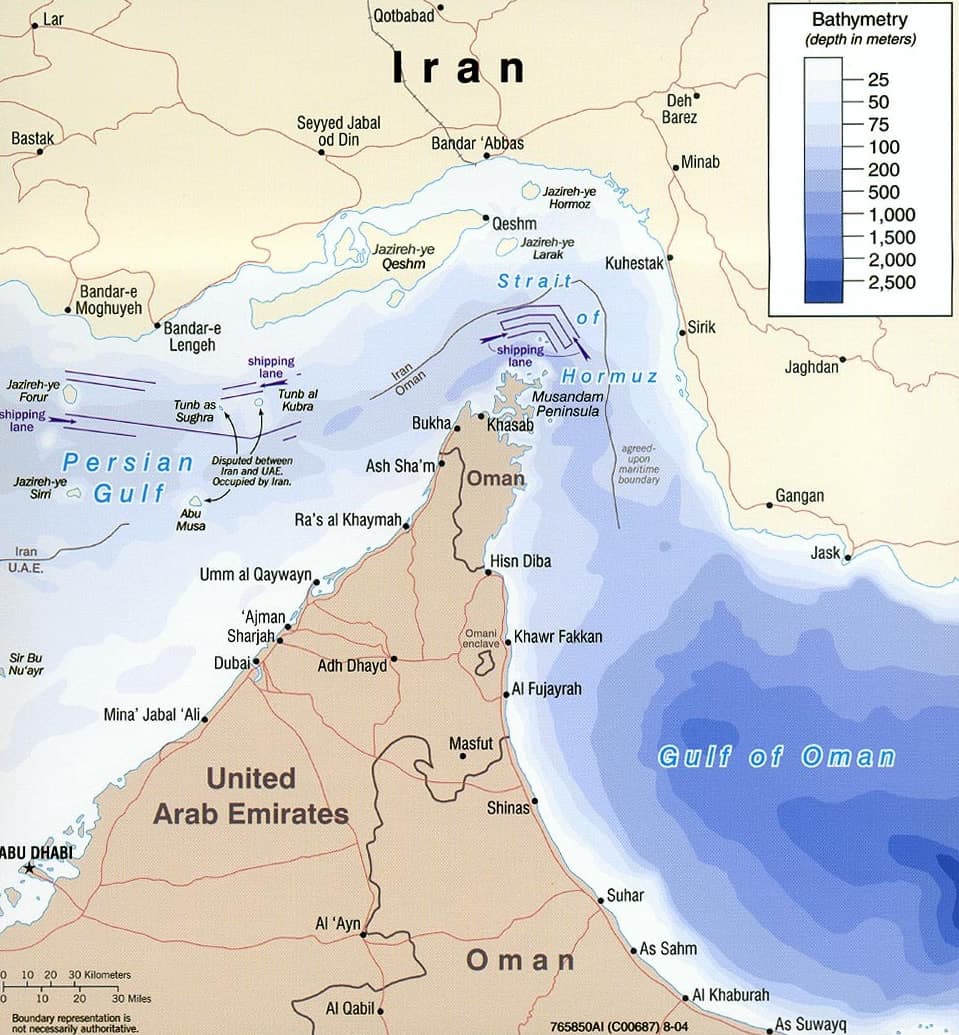
The nightmare scenario that energy analysts have warned about for decades materialized overnight when Iran's Islamic Revolutionary Guard Corps broadcast a chilling VHF radio message to vessels transiting the Persian Gulf's most critical chokepoint: "No ship is allowed to pass the Strait of Hormuz."
While Tehran has not formally declared a legal closure of the international waterway — a step that would constitute an act of war under maritime law — the practical effect is identical. Semiofficial Iranian media outlets described the strait as "effectively shut," and safety guarantees for commercial shipping have evaporated. Several vessels turned back or remained in port. At least 17 oil tankers reportedly continued through despite warnings, but carrier shipping lines have begun abandoning the region entirely.
The Numbers Are Staggering
The Strait of Hormuz handles approximately 20 million barrels of oil per day — roughly 20 percent of global oil demand and one-quarter of the world's seaborne oil trade. It also carries one-fifth of global liquefied natural gas shipments. A prolonged disruption would represent the single largest energy supply shock in modern history, dwarfing the 1973 Arab oil embargo and the 1979 Iranian Revolution's impact on energy markets.
With commodity markets closed for the weekend, the full financial impact won't register until trading resumes Sunday night. But analysts are already projecting a $10 to $20 per barrel surge in crude prices — and that's the optimistic scenario. If the closure persists beyond 72 hours, Brent crude could climb past $100 per barrel for the first time since 2014.
What This Means for American Families
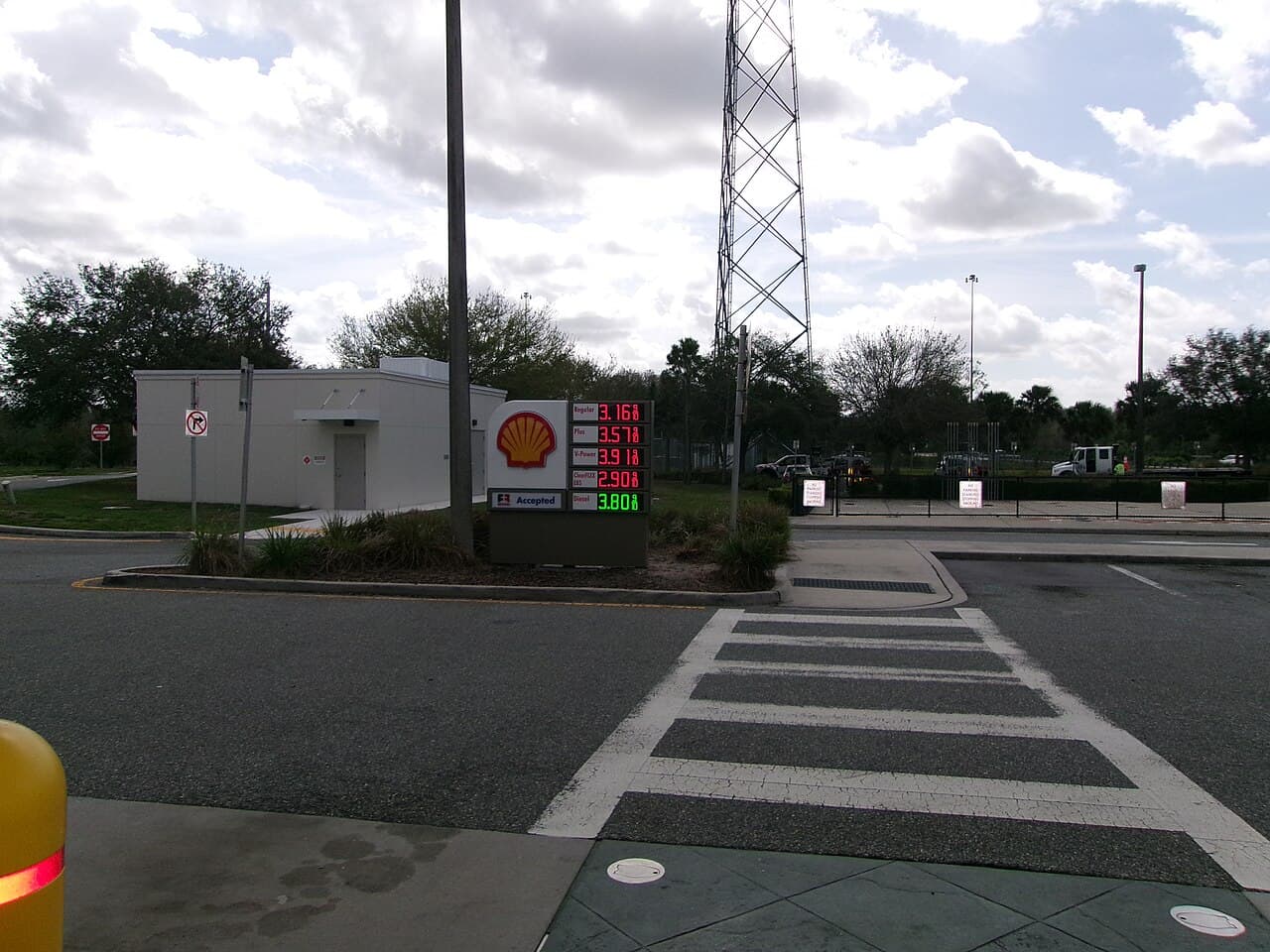
The average US gasoline price stood at $2.98 per gallon last week, according to AAA. Analysts warn that sustained Hormuz disruption could push prices "well above $3" and potentially toward $4 within weeks. For American households already stretched by persistent inflation, the timing could not be worse.
The Strategic Petroleum Reserve, drawn down significantly during the Biden administration, limits Washington's ability to cushion the blow. The Trump administration may face the uncomfortable choice of either releasing strategic reserves or accepting the political fallout of higher pump prices as the cost of confronting Iranian aggression.
Gold has surged 22 percent year-to-date as investors flee to safe-haven assets, while defense and aerospace stocks — Boeing, Lockheed Martin, Elbit Systems — are positioned for significant gains when markets reopen.