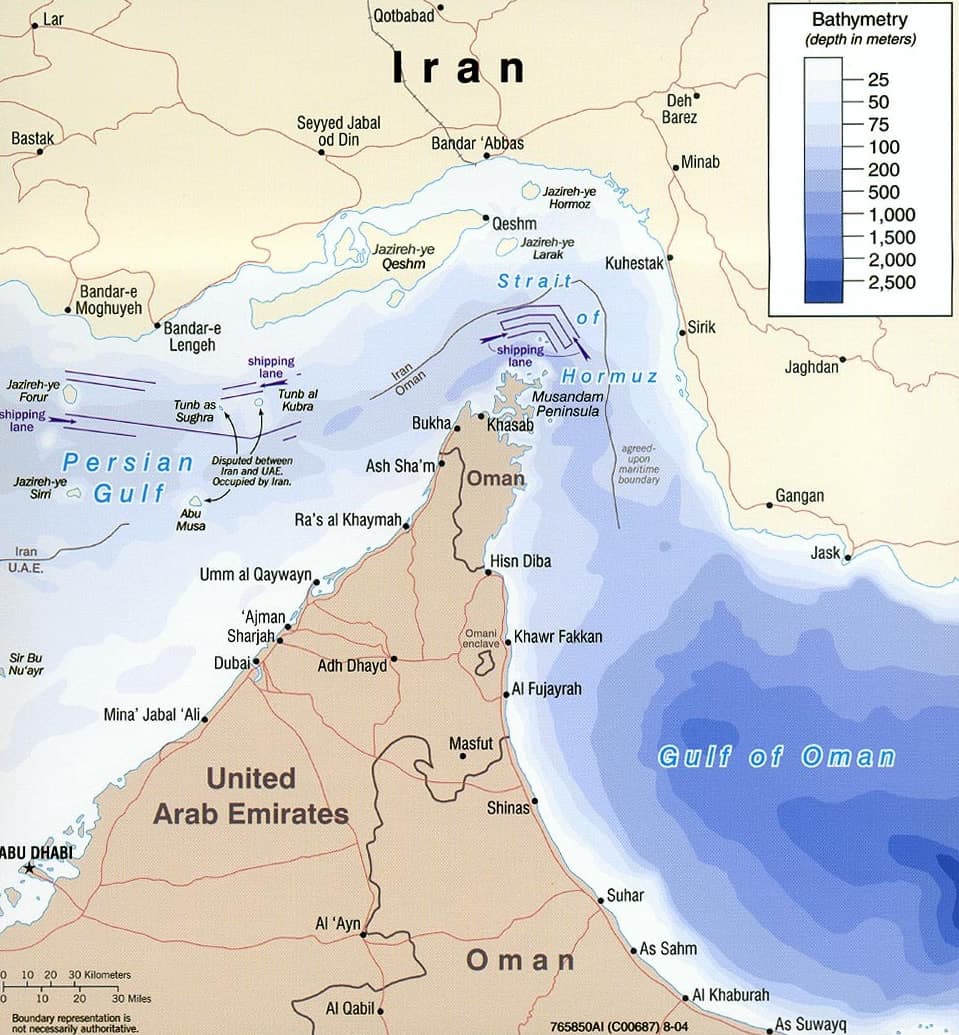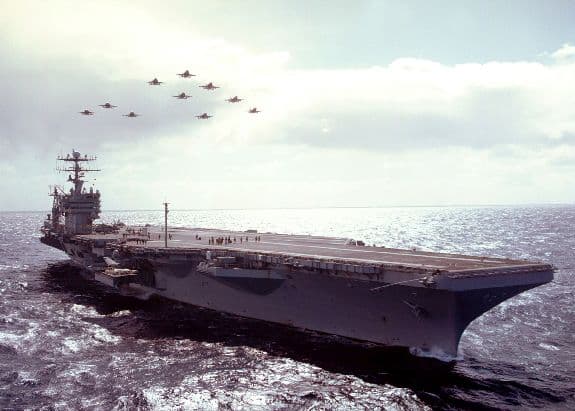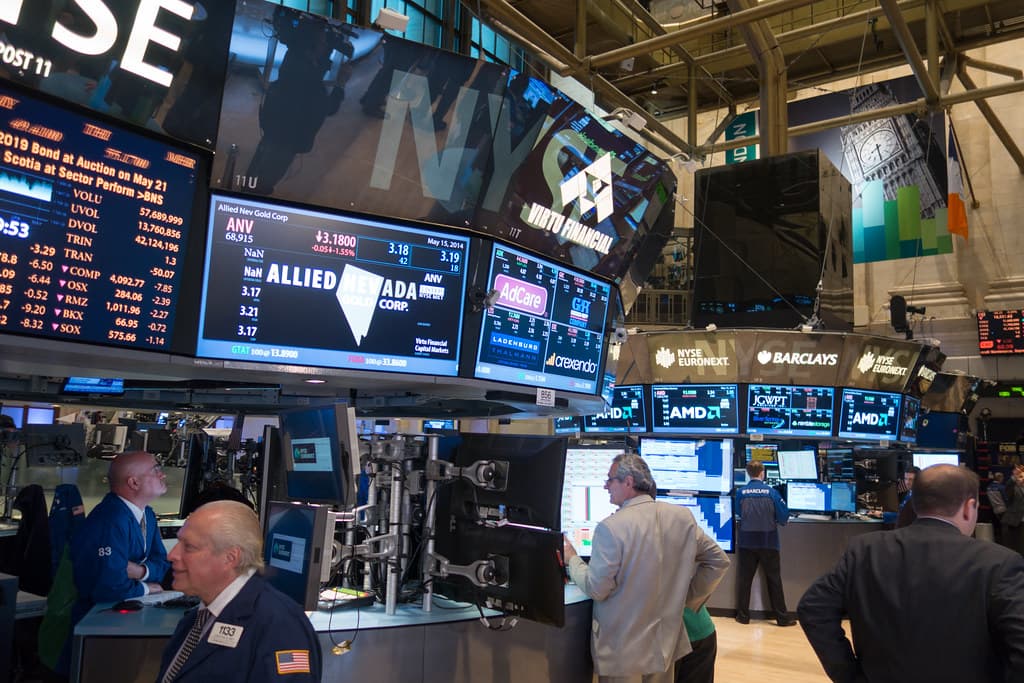
Wall Street faces its most consequential Monday opening since the COVID crash of March 2020, with the US-Iran conflict injecting unprecedented uncertainty into energy markets, equities, and the global economic outlook.
Brent crude closed Friday at $72.48 per barrel, already up 2.45 percent on pre-strike tensions. WTI crude settled at $67.02, up 2.78 percent. But those numbers are relics of a pre-war world. With Iran's attempted closure of the Strait of Hormuz and retaliatory strikes hitting Gulf oil infrastructure, analysts are projecting an immediate $10 to $20 per barrel surge when markets reopen — and that's the base case.
The Scenario Matrix
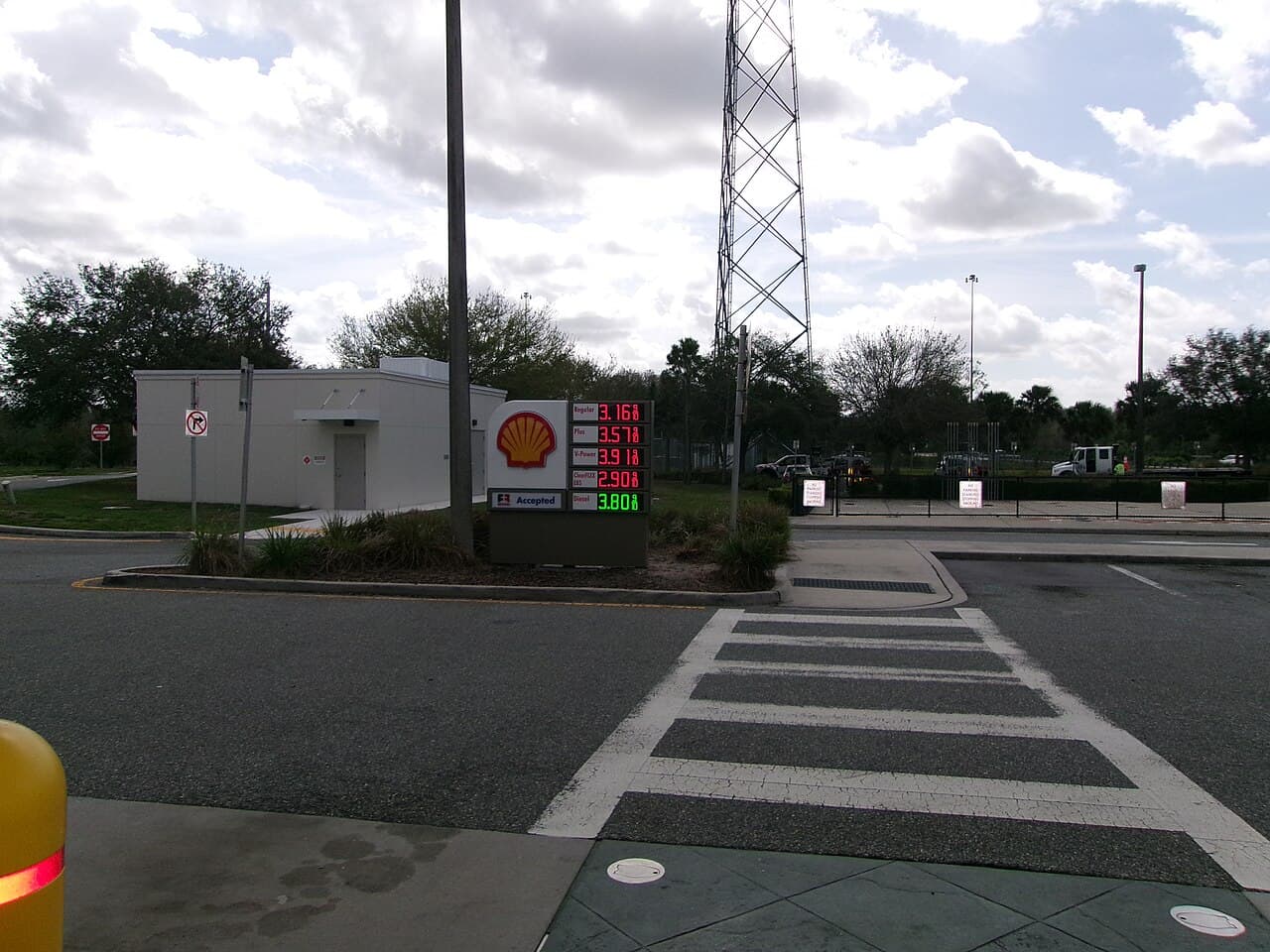
Three scenarios dominate institutional risk models this weekend. In a limited conflict scenario — strikes end, Hormuz reopens within days — crude prices spike $5 to $10 on fear alone before settling. In a wider conflict scenario — continued strikes, tanker disruptions, Gulf state involvement — crude could push past $90, with US gasoline prices climbing "well above $3" per gallon. In the nightmare protracted war scenario — sustained Hormuz blockade, regional conflagration — up to 20 percent of global oil supply faces disruption, sending Brent toward $100 per barrel for the first time in over a decade.
Winners and Losers
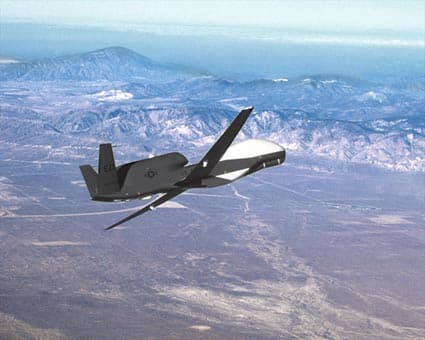
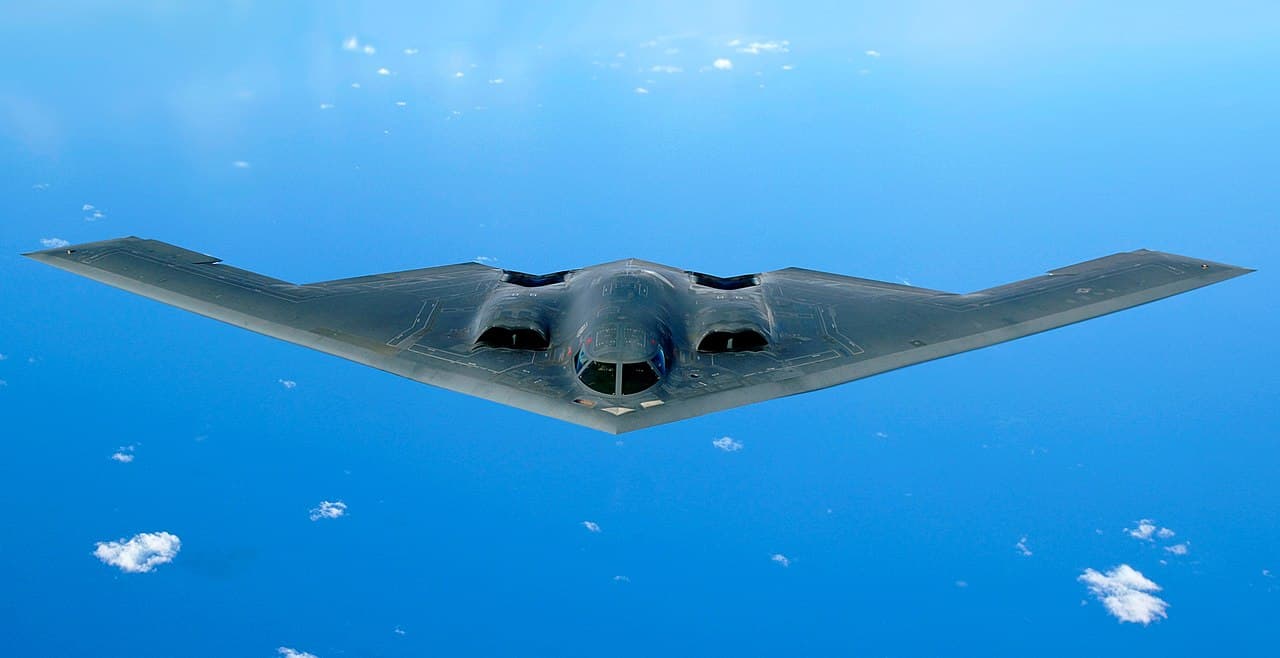
Defense and aerospace companies are positioned for significant gains. Boeing, Lockheed Martin, Raytheon, and Israel's Elbit Systems all stand to benefit from both immediate munitions demand and the likelihood of sustained defense spending increases. The energy sector has already reached all-time highs in anticipation.
Gold, the traditional crisis asset, has surged 22 percent year-to-date in 2026, with the Iran escalation accelerating flight to safety. Bitcoin and cryptocurrency markets have seen mixed signals — crypto initially fell on the risk-off sentiment but Polymarket, the prediction market, saw traders bet a record $500 million on US-Iran war outcomes.
Pre-weekend market moves were surprisingly restrained: the S&P 500 fell just 0.43 percent, the Dow dropped 1.05 percent, and the Nasdaq declined 0.92 percent. But those declines reflected only the initial strike reports. Iran's Saturday night retaliation — hitting Dubai, Doha, and six other Gulf capitals — was not priced in.
CNBC headlined Friday: "Bigger ramifications than Venezuela." That may prove to be the understatement of the year.