Here's the thing about wars in the Middle East that nobody in Washington ever wants to say plainly: they cost American families money at the gas pump, at the grocery store, and in their 401(k) accounts. Every single time.
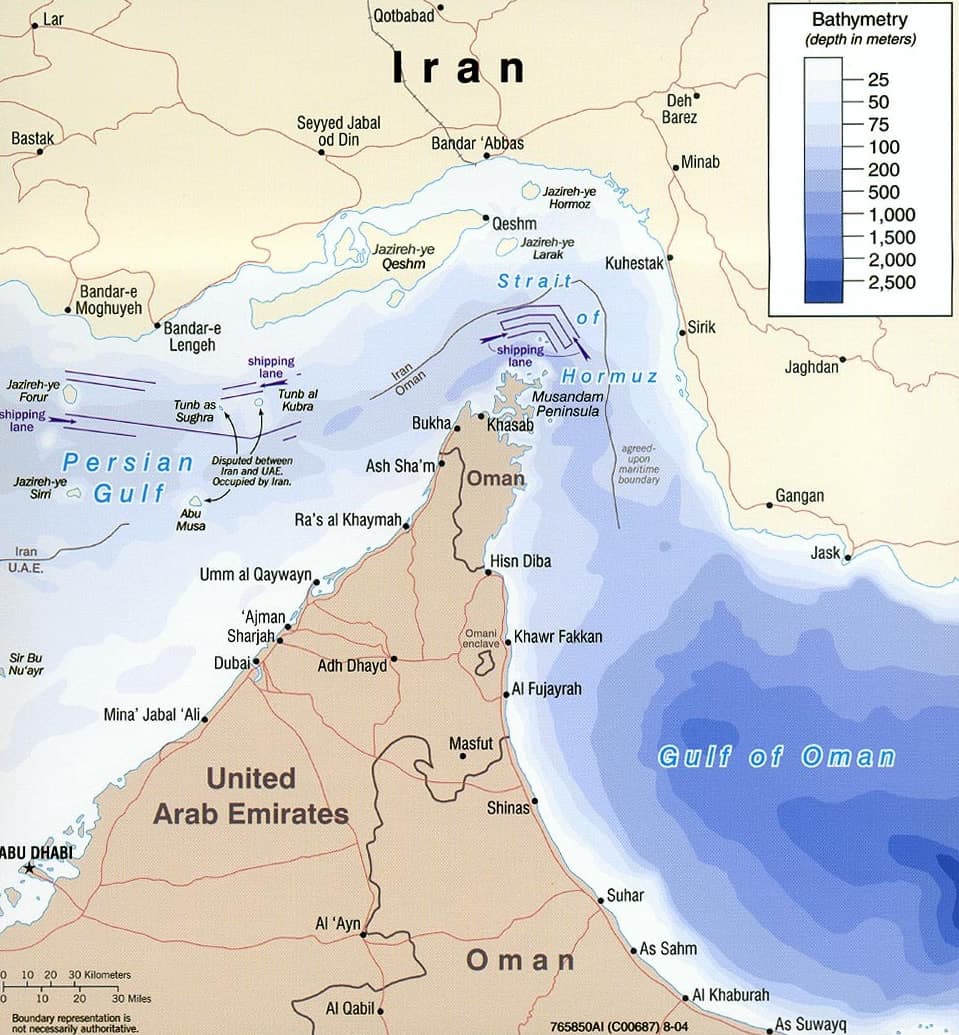
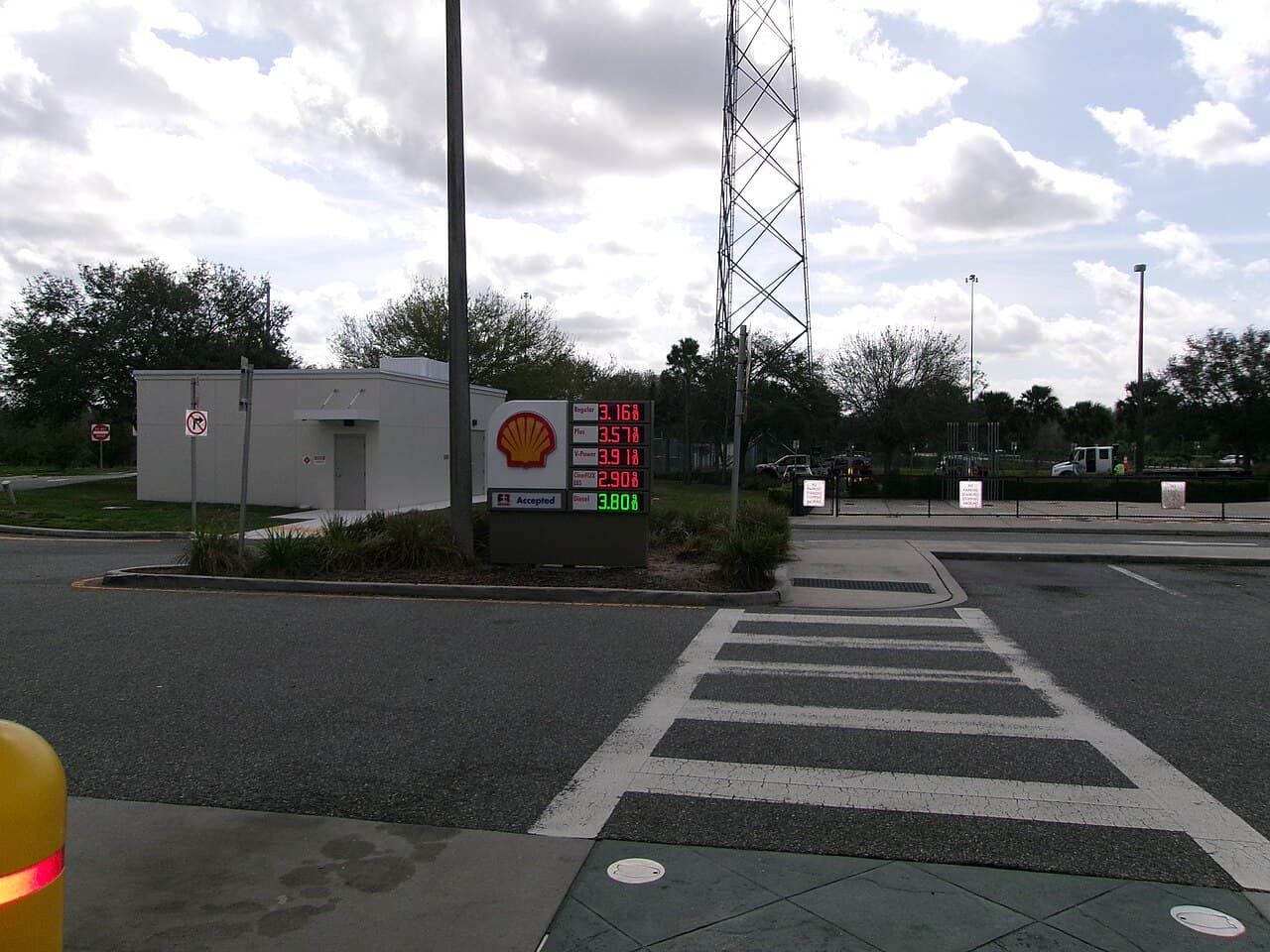
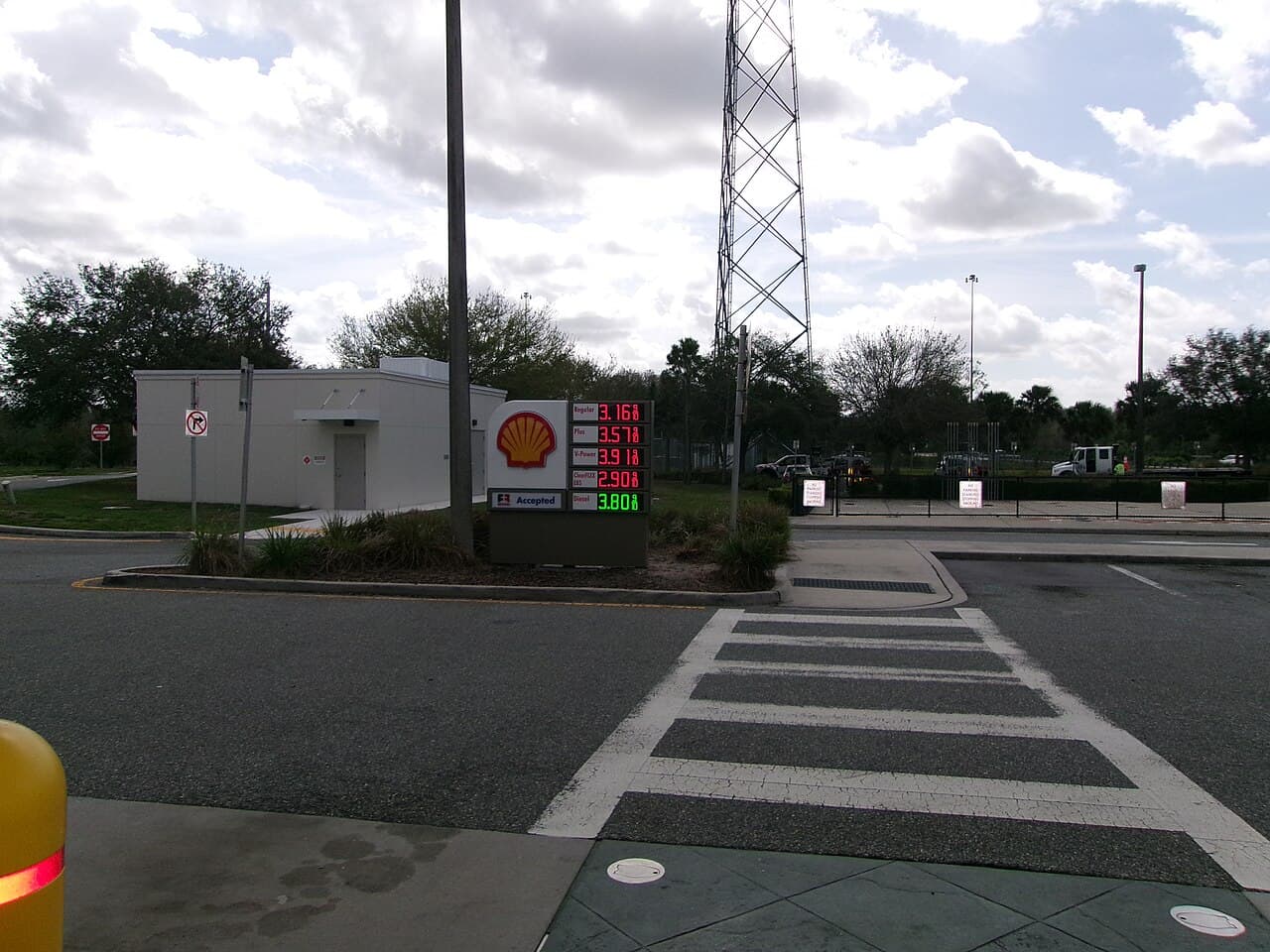
Last week, the average price of regular gasoline in the United States was $2.98 per gallon, according to AAA. That number is about to become a fond memory. Analysts from Goldman Sachs to Barclays are projecting gas prices will push "well above $3" in the coming weeks, and if Iran successfully disrupts oil traffic through the Strait of Hormuz for any sustained period, we could be looking at $4 per gallon by April.
How We Got Here
Brent crude oil — the international benchmark — closed Friday at $72.48 per barrel. That was before Iran started launching missiles at Dubai and trying to close the world's most important oil shipping lane. When trading resumes Sunday night, analysts project an immediate $10 to $20 per barrel jump. In the worst-case scenario — a protracted Hormuz blockade — crude could hit $100 per barrel. That hasn't happened since 2014.
The Strait of Hormuz handles roughly 20 million barrels of oil per day. That's one-fifth of the entire world's oil supply moving through a waterway narrow enough that you can see both shores on a clear day. When that choke point gets squeezed, every economy on earth feels it.
Beyond the Gas Pump
Higher oil prices don't just hit at the pump. They cascade through the entire economy. Diesel fuels the trucks that stock your grocery store. Jet fuel prices drive up airfare. Petrochemical costs affect everything from the plastic in your packaging to the fertilizer on your farms. When oil goes up, everything follows — with a lag of weeks to months that means the worst of the price increases will hit right around tax season.
The Strategic Petroleum Reserve, which was supposed to be our rainy-day fund for exactly this kind of crisis, was drawn down significantly during the Biden administration. That limits the current administration's ability to release reserves and cushion the blow without depleting an already diminished strategic asset.
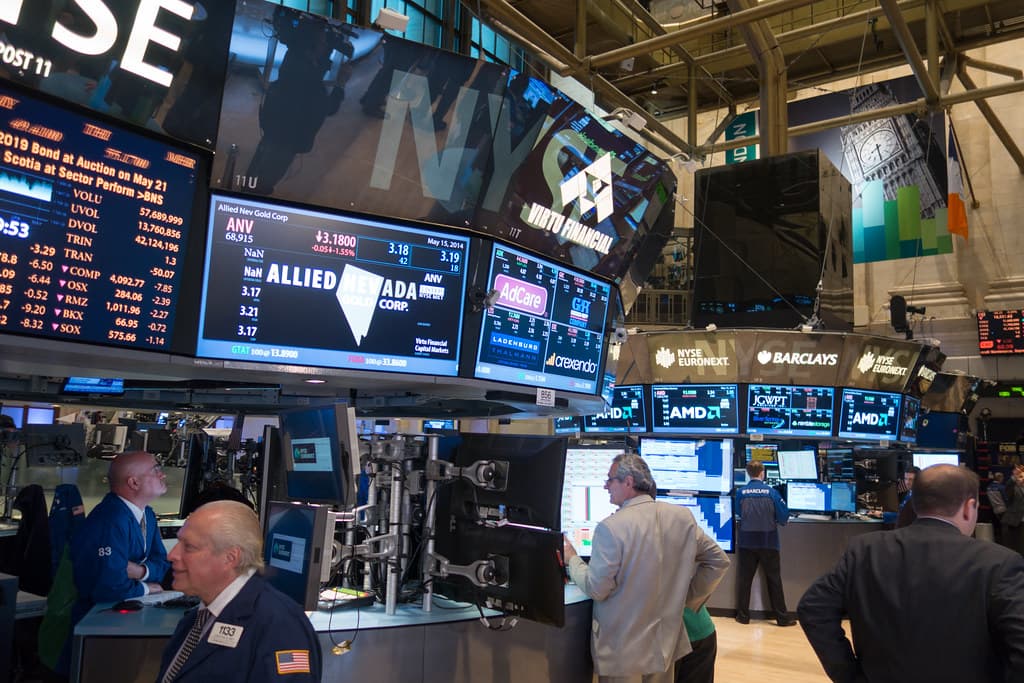
Gold is up 22 percent so far this year as investors pile into safe-haven assets. That's great if you own gold. For most American families, the relevant number isn't gold futures — it's the one on the gas station sign they pass on the way to work Monday morning.