The Economics of Global Football
When FIFA awarded the 2022 World Cup to Qatar, the decision was not merely a sporting choice. It was a statement about where power, money, and moral convenience converge in modern global institutions. The tournament generated roughly $7.5 billion in revenue for FIFA, a figure that dwarfs the budgets of many nations and places the governing body among the most lucrative entertainment enterprises on earth. Yet that same organization, which collected record revenues in the desert heat, operated with the oversight standards of a backroom casino. The Qataris reportedly spent more than $220 billion on stadiums, hotels, and infrastructure. Much of that labor was carried out by migrant workers under conditions that human rights monitors described as exploitative. Estimates from investigative outlets suggest that as many as 6,500 migrant workers died during the decade of construction. The exact number remains disputed, which is itself a scandal. Any institution that cannot account for the human cost of its showcase event has forfeited the public trust it claims to hold.
The 2022 tournament also exposed how little FIFA has changed since the 2015 corruption indictments that brought down much of its senior leadership. New faces arrived in Zurich, but the organizational culture remained intact. Host selection continued to reward countries willing to spend enormous sums with minimal transparency. Marketing contracts continued to flow to brands willing to look past inconvenient headlines. The result is a monopoly that profits from its own unaccountability. Fans love the product, and FIFA knows it.
Why Outrage Is Not Enough
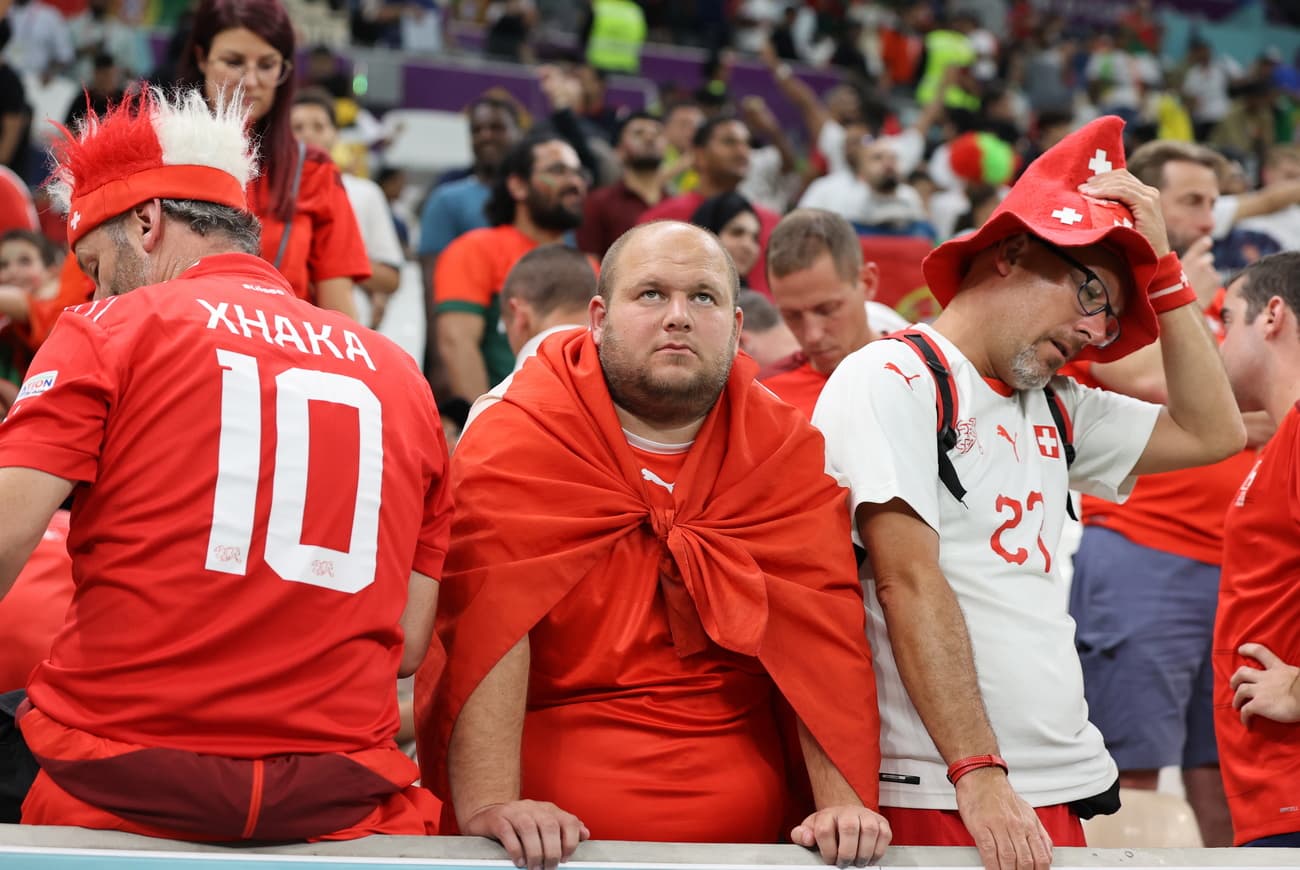
The response from Western fans has followed a predictable cycle. First comes outrage over the latest exposé. Then come the social media campaigns, the jersey protests, and the calls to boycott the final. Then the tournament begins, the goals fly in, and the anger fades into halftime commentary. This pattern does not produce reform because it misunderstands FIFA's business model. The organization does not depend on the goodwill of ordinary supporters in the way a local club depends on season ticket holders. It depends on television contracts, corporate sponsorships, and host nation commitments that lock in revenue years before kickoff. The 2022 World Cup drew more than 1.4 million visitors to Qatar and pulled in global television audiences measured in the billions. Sponsors such as Adidas, Coca-Cola, and Visa paid handsomely for the association. As long as those contracts remain intact, FIFA's leadership can weather any Twitter storm. Fans can complain, but the people who write the checks have already moved on.
There is also a deeper problem with relying on fan sentiment. It treats moral responsibility as a consumer preference rather than a civic duty. If enough viewers feel guilty, the theory goes, the market will correct itself. But FIFA is not a normal market. It controls access to a tournament that only one organization can provide. Fans have no alternative World Cup to patronize. National federations have no credible rival league to join. That concentration of power insulates FIFA from the usual pressures that discipline corporations. A boycott of a single match means nothing when broadcasting rights are sold years in advance and advertisers have already committed their budgets. Consumer choice works when consumers have choices. Here, they do not.
The Conservative Path Forward
Conservatives should approach FIFA with the same skepticism we bring to other unelected international bodies. The problem is not that football is popular or profitable. The problem is that an unaccountable bureaucracy has captured a beloved sport and turned it into a vehicle for political patronage and personal enrichment. Reform must come through pressure on the institutions that sustain FIFA's power. National governments that claim to care about labor standards should attach consequences to their dealings with the organization, not merely issue press releases after another Guardian investigation. Corporate sponsors should face shareholder scrutiny when their marketing budgets underwrite regimes that jail dissenters and tolerate deadly worksites. American lawmakers, in particular, have leverage. The 2026 World Cup will be staged across the United States, Canada, and Mexico. That gives Congress and state governments an opportunity to demand transparency, labor audits, and binding human rights commitments as conditions for public cooperation. If FIFA wants access to American stadiums, airports, and police resources, it should meet American standards of accountability. Transparency should extend to how host nations are selected, how labor standards are enforced, and how FIFA's reserve funds are invested.
None of this requires abandoning the beautiful game. It requires refusing to let a corrupt administrative class hide behind the players and the fans. The athletes who compete deserve better than to serve as human shields for executives who treat accountability as a public relations problem. The fans who sing in the stands deserve better than to be told their only role is to consume and keep quiet. Real reform will come when enough citizens, investors, and elected officials decide that the world's most watched tournament should not be hosted by the world's least accountable institution.
The upcoming 2026 World Cup offers a test. North American organizers project an economic impact in the tens of billions of dollars, and FIFA will once again sit at the center of the spectacle. The question is whether democratic governments will use that leverage or squander it. Fans have already made their feelings known. Feelings alone do not change institutions. Only sustained political and economic pressure can do that. If conservatives believe in limited government, accountable institutions, and the dignity of labor, then FIFA is exactly the kind of target we should not ignore.