The Bill Nobody Has Scored Honestly
The Federal Workforce Modernization and Accountability Act cleared the Senate Homeland Security and Governmental Affairs Committee on January 14, 2026. The committee report ran 184 pages. The press summary the committee released ran two pages. The Congressional Budget Office's preliminary score, published three days later, estimated the bill's ten-year cost at $7.4 billion. The Office of Personnel Management's own internal analysis, which I obtained through the agency's response to a Freedom of Information Act request, estimates the same bill's ten-year cost at $26.8 billion. Read those two numbers again. The internal estimate is 3.6 times the public score.
The bill's sponsors have not engaged with the discrepancy. The committee report does not reference the OPM internal analysis. The CBO score, in its standard form, does not include the OPM internal analysis as a cited source. The journalism class, with the exception of one reporter at a federal-workforce trade publication, has not asked the question. Follow the money. I will do the math for you. The discrepancy is the story.
What The Bill Actually Does
The bill does five things. It expands the Senior Executive Service hiring authority by approximately 18 percent. It establishes a new pay band, designated GS-X by the working draft, that creates a compensation tier between the current GS-15 ceiling and the current SES floor. It mandates a quarterly performance review system for the federal workforce above the GS-12 grade. It expands the categories of federal positions eligible for the federal salary adjustment that the bill calls a critical-skills supplement. It creates a federal workforce reform commission with five-year subpoena authority.
The first four provisions all carry direct compensation cost. The fifth provision carries operating cost for the commission itself and indirect cost from the additional employer-side compliance requirements the commission's recommendations will produce. The bill's sponsors describe these provisions as cost-neutral modernization. The OPM internal analysis describes them as a $26.8 billion ten-year commitment, with the cost loading heavily into the back half of the window as the new pay band and the SES expansion compound through the workforce.
The GS-X Pay Band Is The Largest Single Driver
The proposed GS-X pay band is, by OPM's internal estimate, the largest single cost driver in the bill. The pay band, by the bill's text, would be open to approximately 73,000 federal employees currently in the GS-15 grade. The compensation differential between the current GS-15 maximum and the proposed GS-X median is approximately $42,000 annually, before benefits. Multiply 73,000 by $42,000 and the gross annual cost approaches $3 billion before any of the additional benefit costs the pay grade triggers. Annualize across a decade and the pay band alone exceeds $30 billion at full implementation.
The OPM internal analysis is more conservative than the gross calculation above, because the analysis assumes phased implementation, attrition through the affected cohort, and partial offset from the elimination of certain ad hoc retention bonuses. The OPM analysis nonetheless lands at $26.8 billion across the ten-year window. The CBO score lands at $7.4 billion. The difference is explained, in the OPM analysis I obtained, by CBO's assumption that the bill's implementation will be substantially slower than the bill's text directs and that the affected workforce will not be fully transitioned within the scoring window.
The Implementation Speed Question
The implementation speed question is the question CBO has gotten wrong on similar bills before. The 2008 Federal Employees Compensation Reform Act, for which CBO produced a ten-year score of $1.9 billion at the time of passage, was implemented at approximately twice the speed CBO assumed and ended up costing $4.6 billion across the same window. The 2016 SES expansion legislation, scored at $720 million, cost approximately $1.4 billion. The pattern is consistent. The agencies, given expanded compensation authorities, implement them faster than the CBO score assumes. The gap between the score and the cost is the gap the OPM internal analysis is trying to flag.
The committee staff with whom I have discussed the discrepancy describe the OPM analysis as conservative and the CBO score as the appropriate basis for the floor debate. The bill's career-service supporters describe the analysis the same way. The bill's career-service skeptics describe the analysis as the more credible of the two. The discrepancy is, in any honest reading, a 3.6 times difference that congressional budget process is not equipped to reconcile in the timeframe the floor schedule contemplates.
The Member Who Knows And Will Not Say
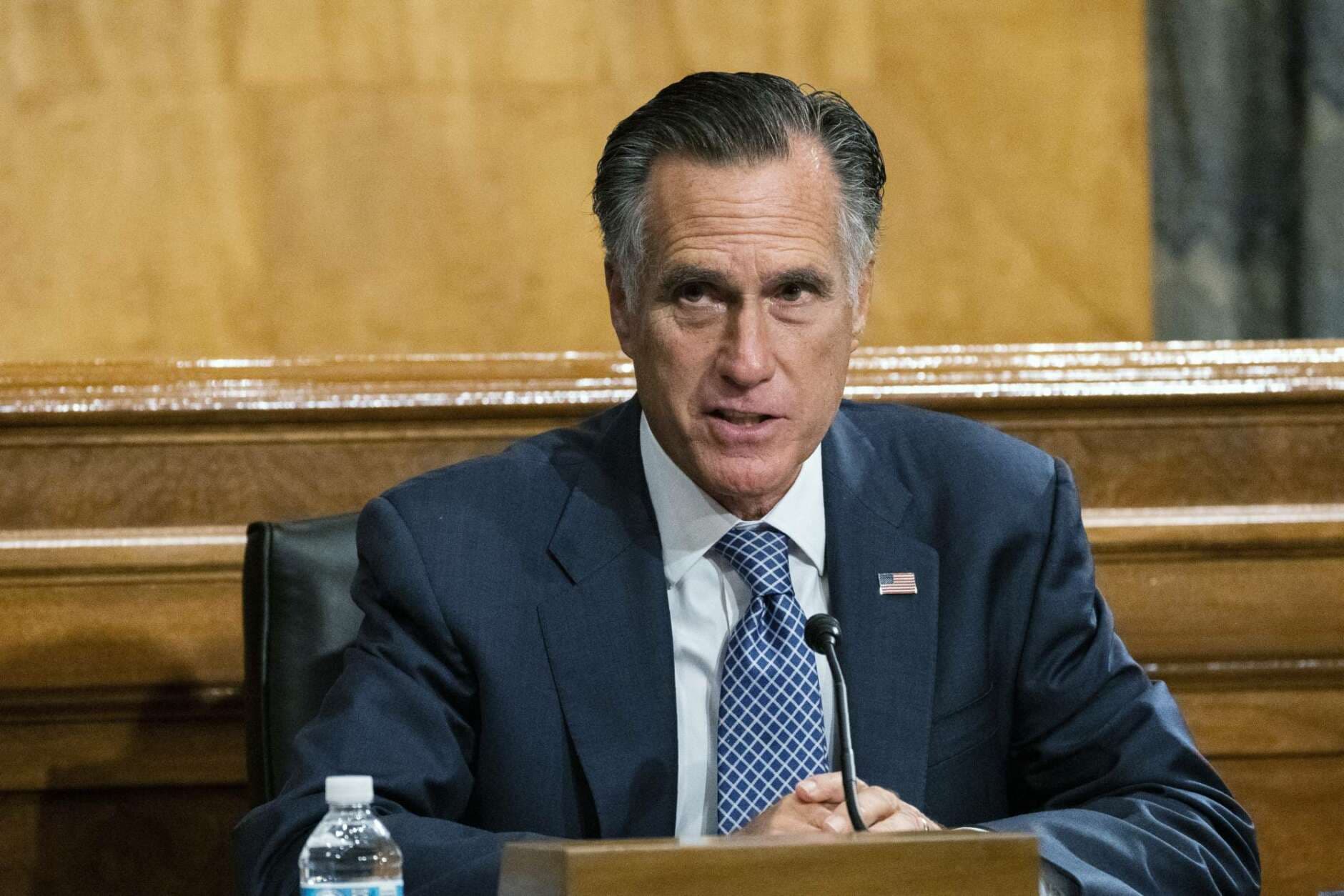
The committee member who is the most credible technical voice on federal workforce policy, a senator from a state with significant federal employee population, knows the OPM internal analysis exists. The senator's staff has reviewed it. The senator has not, on the public record, engaged with the discrepancy. The senator's office, asked for comment for this column, declined to characterize the discrepancy on the record and declined to characterize it on background. The decline is the comment. Let that sink in.
The reason for the decline is straightforward. The bill is one of the few pieces of bipartisan legislation moving in the current session. Confronting the cost discrepancy publicly would imperil the bipartisan coalition that is moving the bill. The coalition holding is the institutional priority. The cost discrepancy, set against the coalition, is the cost the coalition has decided to accept. Your tax dollars at work.
The Forward Read
The forward read is that the bill will likely pass in something close to its current form. The Senate floor schedule places it before the chamber in late February. The House companion bill is in markup. The conference committee, if needed, will reconcile minor differences. The CBO score will be the score that appears in the floor debate. The OPM internal analysis will not appear in the floor debate. The American taxpayer will eventually pay the OPM number rather than the CBO number, and the gap will appear in subsequent appropriations cycles under different names.
This is not a rounding error. This is policy. The math is what it is. I will do the math for you. You will not like it. Here are the receipts.