From a Single Restaurant to a Nasdaq Darling
CAVA stock has been trending. And not just among finance bros, regular people are searching it, talking about it, buying it. The story behind the ticker is the kind of thing that used to define American capitalism before we started apologizing for it.
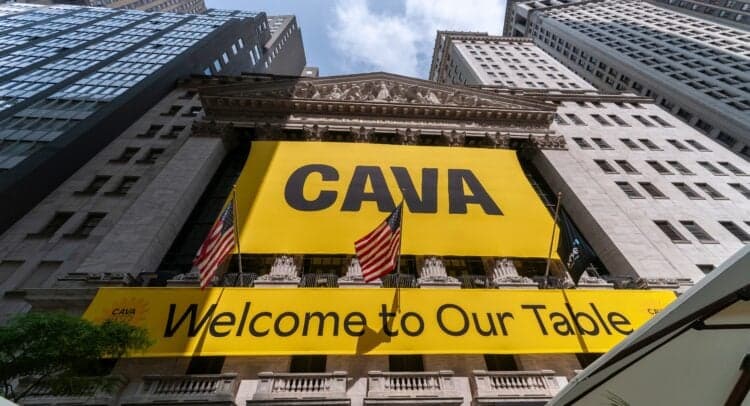
CAVA Group started as a single restaurant in Rockville, Maryland in 2011, founded by three Greek-American friends who wanted to bring their grandmothers' recipes to a fast-casual format. By 2023, they were public on the Nasdaq. By early 2026, the stock has more than doubled from its IPO price. They now operate over 350 restaurants across 25 states. That's not a venture capital fairy tale. That's relentless execution over fifteen years.
My cousin opened a taqueria in Phoenix eight years ago. I watched him navigate the permit process, the health inspections, the labor regulations, the minimum wage hikes, the insurance requirements. He made it work, but just barely, and he told me point-blank that if he had tried to open today, with current compliance costs, he wouldn't have tried at all. The math doesn't work anymore for someone starting from nothing.
What CAVA's Growth Actually Signals
The market's excitement about CAVA isn't irrational. The chain is growing same-store sales at rates that most restaurant chains would kill for, 18.1% in their most recent reported quarter. They've cracked the code on what American consumers want: food that feels healthy, tastes good, and doesn't require a two-hour table commitment. Fast food with actual ingredients.
But here's what the stock price doesn't show: how many CAVAs never happened. How many immigrant families with great food and genuine work ethic looked at the regulatory landscape for a new restaurant in California or New York and decided it wasn't worth it. CAVA succeeded in part because its founders had professional backgrounds, one was a doctor, one had a finance background. They could navigate bureaucracy. Most aspiring restaurateurs can't.
The National Restaurant Association estimates that a new restaurant faces an average of 30 different federal, state, and local regulatory requirements before it serves its first customer. Thirty. For someone who wants to sell shawarma bowls. That number has grown every decade since the 1980s, and it functions as an invisible tax on entrepreneurship, one that hurts newcomers far more than established chains with dedicated compliance departments.
The Policy That Would Actually Build More CAVAs
If you want more CAVA stories, immigrant founders, regional cuisines, Main Street success, the answer is regulatory streamlining, not subsidies. Not loan programs with 47-page applications. Not minority business enterprise certifications that take eighteen months to process.
Reduce the compliance burden on new restaurants. Streamline permitting. Make occupational licensing rational. Let people sell food without jumping through hoops designed to protect incumbents from competition. These aren't radical ideas. They're just unpopular with the regulatory class that has built careers administering exactly the kind of friction that kills small businesses.
CAVA's stock is up because they built something real. The people celebrating the ticker without addressing the systemic barriers to the next CAVA aren't actually pro-growth. They're just pro-winner. There's a difference. And the difference matters enormously to the guy with a great family recipe and $40,000 in savings who's trying to figure out if the math works.
It usually doesn't. Fix that. Then celebrate the stock.