Promises Without Accountability
The VA promised reform. Veterans got a website redesign. That is not a headline anyone should find surprising in Washington, but it ought to infuriate every American who claims to support the troops. After another round of hearings, press releases, and ribbon cuttings, the Department of Veterans Affairs has produced a glossy new VA.gov, a fresh mobile app, and a public relations campaign that would make a Silicon Valley startup blush. What it has not produced is the competent, accountable care that veterans were promised.
The pattern is familiar. A scandal erupts. Congress holds hearings. Bureaucrats promise change. Then comes the announcement of a new initiative, a new portal, and a new slogan. The cameras leave, the veterans stay, and the waiting rooms fill up again. The Department of Veterans Affairs was created to serve those who served. Somewhere along the way it began serving itself. The VA does not need another rebranding. It needs accountability, competition, and a Congress willing to stop funding failure.
The Hollow Promise of Modernization
In 2014 the nation learned that veterans were dying on secret wait lists at the Phoenix VA medical center. Congress passed the Choice Act, then the MISSION Act, then poured billions into modernization. The VA's budget has more than doubled since then. The president's fiscal year 2026 budget requests $329 billion for the department, up from $163 billion a decade ago. That is not austerity. That is a blank check written to an agency that keeps bouncing it.
Yet the results do not match the spending. As of February 2026, the average disability compensation claim takes 152 days to complete. More than 300,000 claims have been pending for over 125 days. These are not abstract numbers. They represent veterans waiting for decisions on injuries sustained in service, for benefits they earned, while bureaucrats redesign login screens.
The new VA.gov cost taxpayers roughly $106 million, according to oversight reports. The department says the redesign makes services easier to find. Easier to find is not the same as easier to receive. A veteran with a failing knee and a six-month wait for surgery does not need a cleaner homepage. He needs a doctor, and he needed one yesterday.
The problem is cultural. The VA remains a massive federal monopoly with no competitor and no consequence for poor performance. When a private hospital posts long wait times, patients go elsewhere. When the VA posts long wait times, it receives more money and a sympathetic profile in the press. Conservatives have long warned that federal monopolies reward failure. The VA is the case study they did not want us to write.
What Real Reform Looks Like
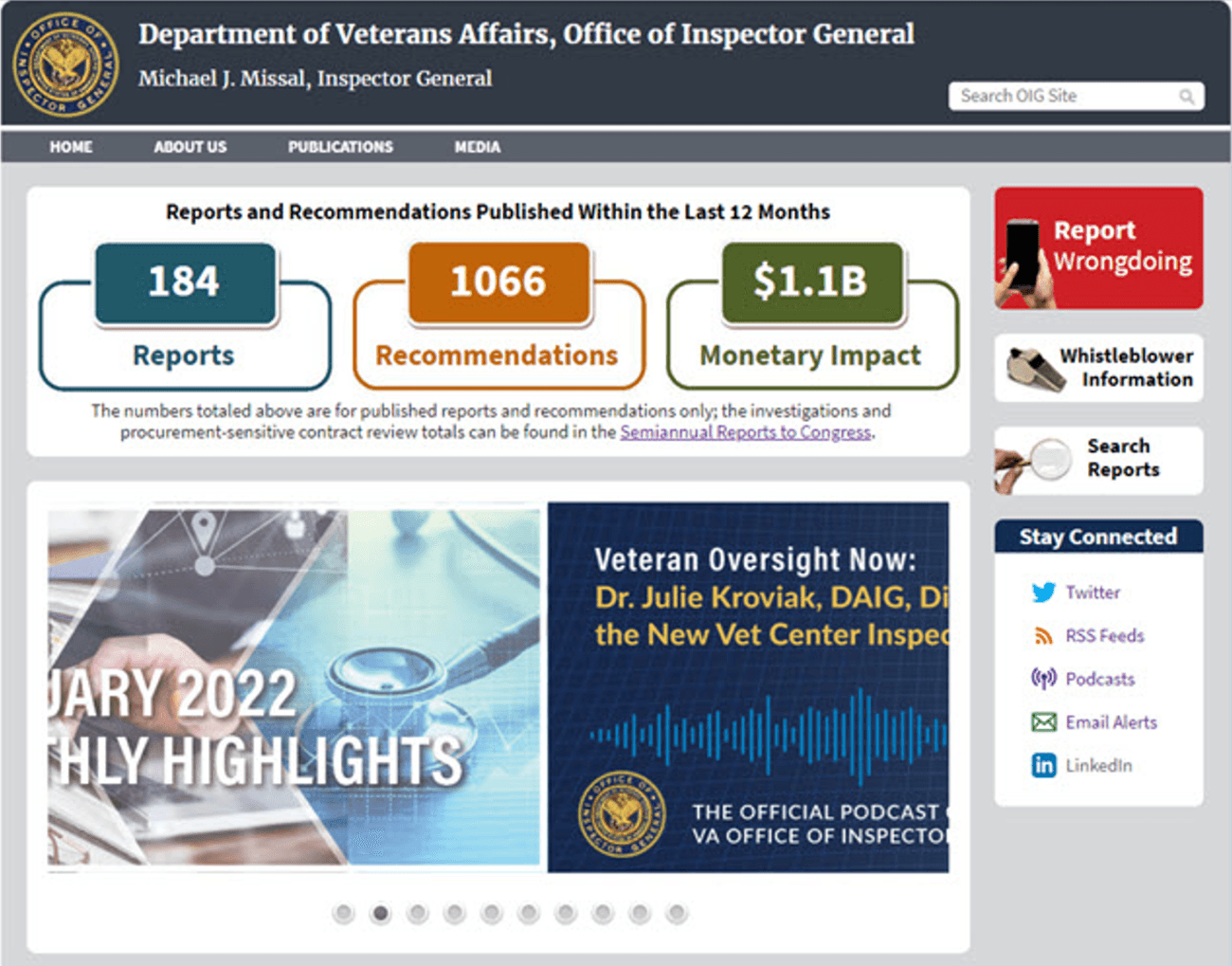
VA leaders love the word modernization. They use it to justify every IT contract, every consultant, and every public affairs hire. Modernization should mean better outcomes, not better marketing. The department's own inspector general reported that at least 42 percent of veterans surveyed still could not complete basic tasks online after the new website launch. That is not modernization. That is a costly coat of paint.
The website is only the most visible example. Behind it sits a claims processing system that relies on decades-old code and manual data entry. The VA has spent years promising artificial intelligence and digital transformation. What arrived first was a new color palette and a chatbot that forwards frustrated users back to the same phone queues.
The waste compounds the insult. While the VA spent over $100 million on the redesign, community care programs that let veterans see private doctors remain underfunded and deliberately obstructed by referral delays. The bureaucracy protects itself before it protects patients. Meanwhile, veterans in rural Texas and across the country drive hours to facilities that cannot see them for months.
There is also a deeper deception at work. Politicians who should know better hold up each new app and portal as proof they are helping veterans. It allows them to avoid the hard questions about suicide rates, opioid prescribing, and surgical wait times. A website redesign becomes a substitute for oversight, and a slogan becomes a substitute for results.
Real reform does not require more federal spending. It requires three things Washington hates: accountability, choice, and consequences.
First, Congress should demand performance benchmarks with teeth. If a VA facility fails to meet wait-time standards, leadership should be removed and veterans should be granted automatic access to private care at full reimbursement. The current community care system is a maze by design. It should be a right.
Second, the VA must be forced to compete. Veterans should control their health care dollars, not the other way around. A portable benefit that lets a veteran choose his doctor would end the monopoly mindset overnight. Competition would not destroy the VA. It would force the VA to improve or lose patients, which is exactly how every other service industry operates.
Third, every modernization dollar should be tied to measurable outcomes, not press releases. If $106 million buys a prettier website but 42 percent of users still cannot file a claim, the contractors and program managers should be fired, not renewed. No more blank checks for broken portals.
The men and women who wore the uniform deserve better than a bureaucracy that treats them as constituents of an agency rather than citizens with choices. They deserve a system that honors service with speed, dignity, and competence. They did not risk their lives for a government app store.
Veterans were promised reform. They got a website redesign. The next Congress should give them something far more useful: a VA that works.


