They Hit It Once. We Have to Assume They'll Try Again.
In January 2024, Iran-backed militants launched a drone strike at Al Udeid Air Base in Qatar — the largest American military installation in the Middle East, home to roughly 10,000 U.S. personnel and the forward headquarters of U.S. Central Command. That attack didn't succeed in causing mass casualties. But it wasn't a one-off signal from a minor player. It was Iran probing defenses at the single most important American air hub in the region.
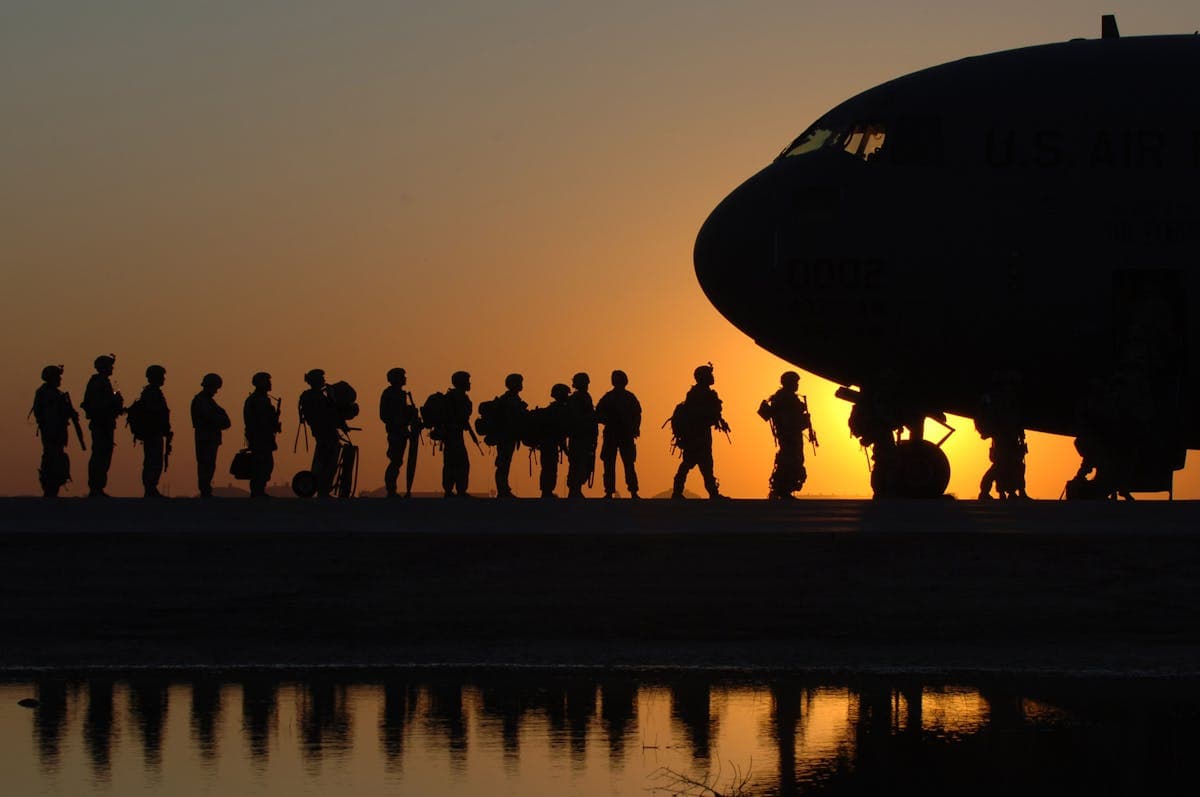
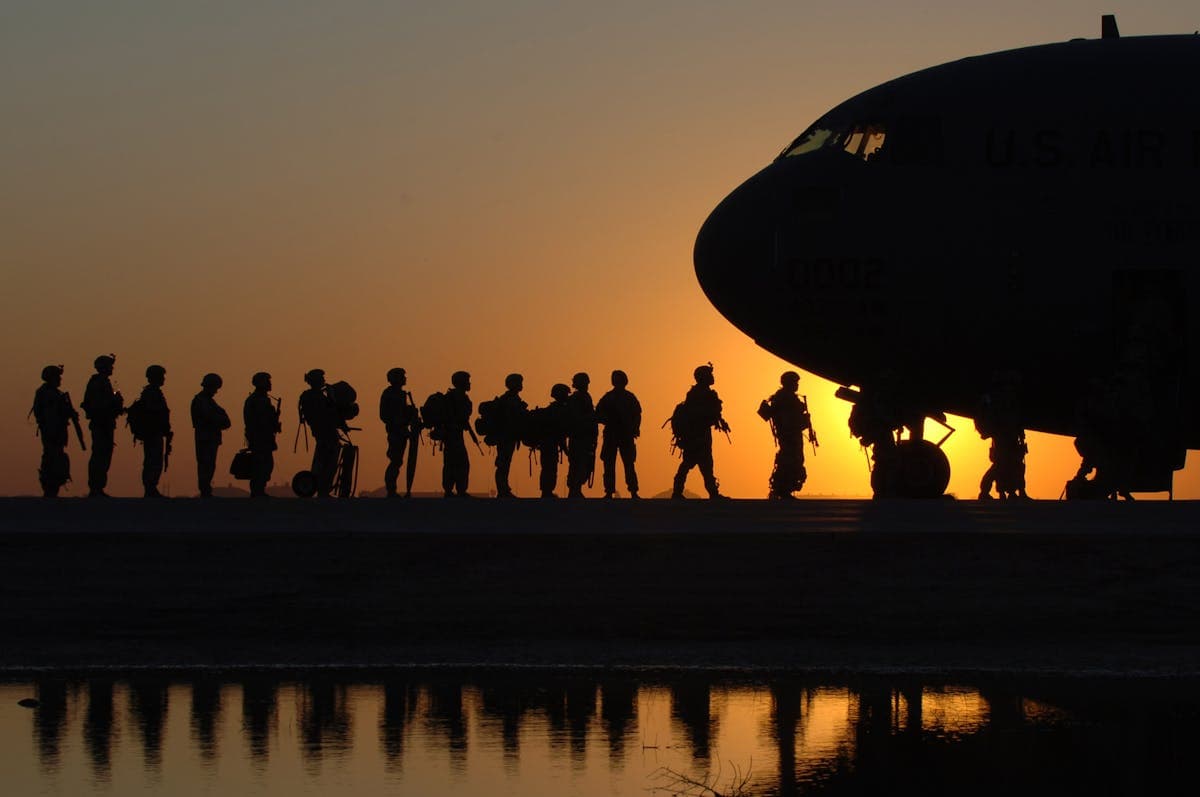
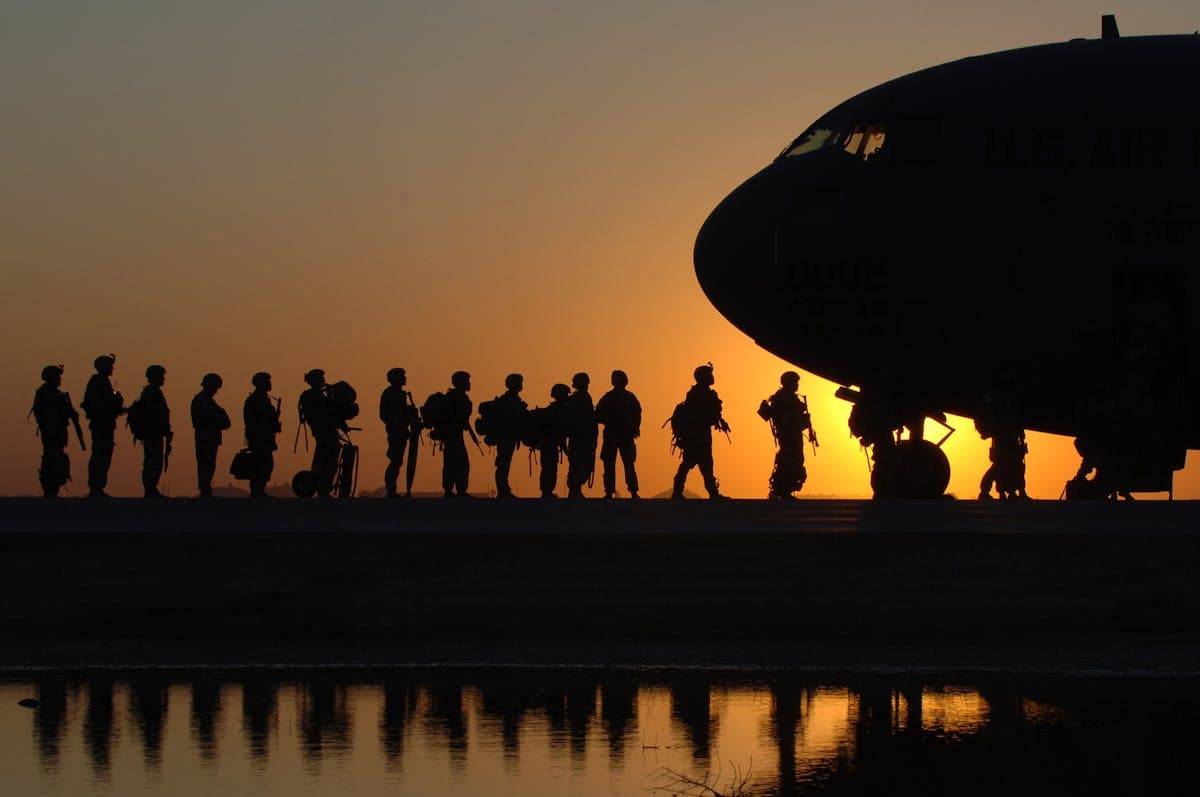
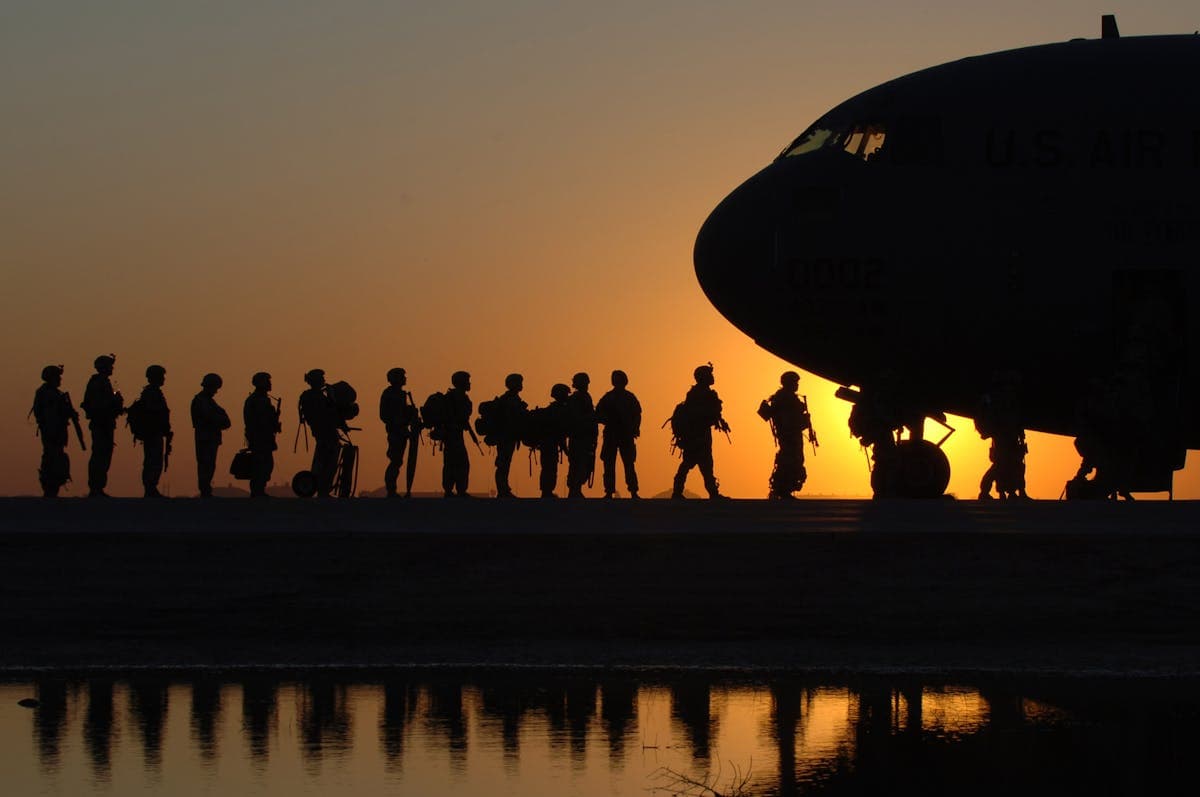
The Pentagon's answer, reported this week by Fox News, is a new Air Defense Operations Cell now operational at Al Udeid. A dedicated command structure specifically designed to integrate radar, intercept systems, and threat response against what CENTCOM commanders call a persistent and evolving Iranian threat posture.
Good. That should have been in place already.
I've talked to veterans who rotated through Al Udeid in the 2000s and early 2010s. Even then, the base's air defense posture was described as thin relative to the target it represented. You're housing CENTCOM's air operations nerve center in a country with a complicated relationship with both the United States and its Iranian neighbor. The threat calculus was never low. It's higher now.
Iran's Strategy Isn't Subtle, And We Keep Acting Surprised
Iran has been running a coordinated proxy war against American interests across the Middle East for the better part of a decade. Hezbollah in Lebanon. The Houthis in Yemen. Kata'ib Hezbollah in Iraq. The Islamic Revolutionary Guard Corps Quds Force threading logistics across five countries. These aren't independent actors who happen to share Tehran's worldview. They're instruments of Iranian foreign policy, armed, funded, and directed from Tehran with varying degrees of operational latitude.
The October 7, 2023 Hamas attack on Israel, which Iran helped enable through sustained weapons and financing pipelines through Qatar and Lebanon, kicked off a regional escalation that hasn't stabilized. The Houthis spent 2024 firing anti-ship missiles at commercial vessels in the Red Sea, disrupting global shipping lanes and forcing the Navy to burn through expensive interceptor missiles at a burn rate that concerned logistics planners. Each Houthi missile costs Iran roughly $20,000 to $30,000 to produce. Each Navy intercept runs between $1 million and $4 million. That's a favorable exchange rate for the other side.
Al Udeid is the hub that everything else runs through. Lose air dominance at that base — or even degrade its operational tempo through repeated strikes and standoffs — and you've degraded the entire American military posture in the region. Iran knows this. They targeted it for a reason.
The New Cell Is Necessary. It's Not Sufficient.
An Air Defense Operations Cell is a command-and-control improvement. It integrates what were presumably disparate sensor feeds, threat assessments, and intercept authorities into a unified operational picture. That matters. Coordinated response beats ad hoc response every time. Under pressure and under fire, the difference between a system that talks to itself and one that doesn't is measured in seconds, and seconds determine outcomes.
But let's be direct about what this doesn't solve. Al Udeid sits in Qatar, which also hosts the Taliban's political office, has historically maintained back-channel relationships with Hamas, and navigated 2017's Gulf blockade by deepening ties with Iran. Qatar is a complicated partner. That geopolitical reality doesn't go away because we've upgraded a command node.
The deeper answer to Iran's regional aggression isn't better air defense at one base. It's a coherent deterrence posture that makes Iranian planners believe the cost of escalation exceeds the benefit. That requires clear red lines, enforced consistently. The Biden years demonstrated what happens when red lines exist on paper but not in practice: 165 attacks on American forces in Iraq and Syria between October 2023 and January 2024, and a restrained American response that invited more.
The Trump administration's record on Iran deterrence in the first term was stronger. The killing of Qasem Soleimani in January 2020 established a credibility that suppressed direct Iranian attacks for a period. The question now is whether that credibility is being actively maintained or coasting on reputation.
Forward Posture Requires Forward Thinking
There are 10,000 Americans at Al Udeid. They are doing their jobs in a country that borders one of the world's most active state sponsors of terrorism. They deserve the best air defense we can give them, and they deserve leadership that doesn't wait for a successful strike to take the threat seriously.
The new operations cell is a step in the right direction. The next steps are harder — rebuilding interceptor stockpiles, pressuring Qatar on its Iranian relationships, and making clear through posture and policy that any successful strike on American personnel will produce a response that costs Iran more than they're willing to pay. Deterrence is a message. Right now we're just making sure we can receive incoming fire better.
That's not enough. But it's a start.