I've Seen What Happens When We Trust the Wrong Agreements
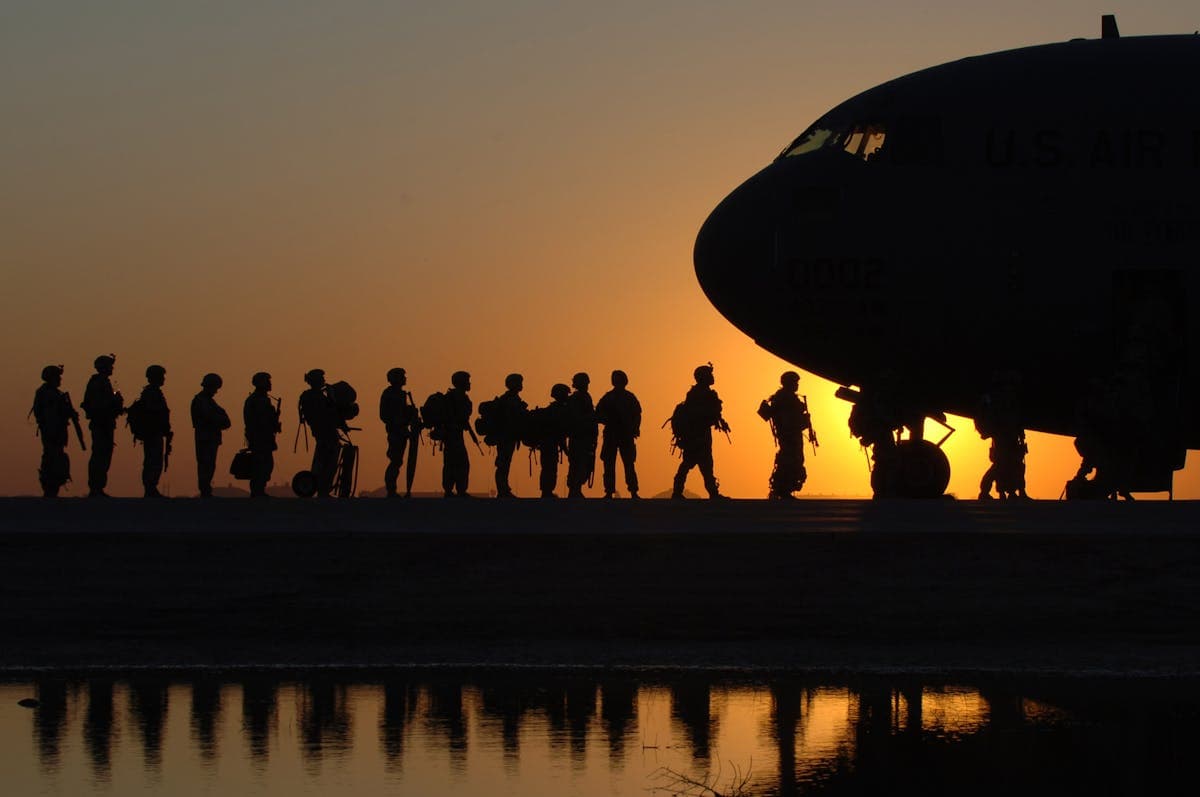
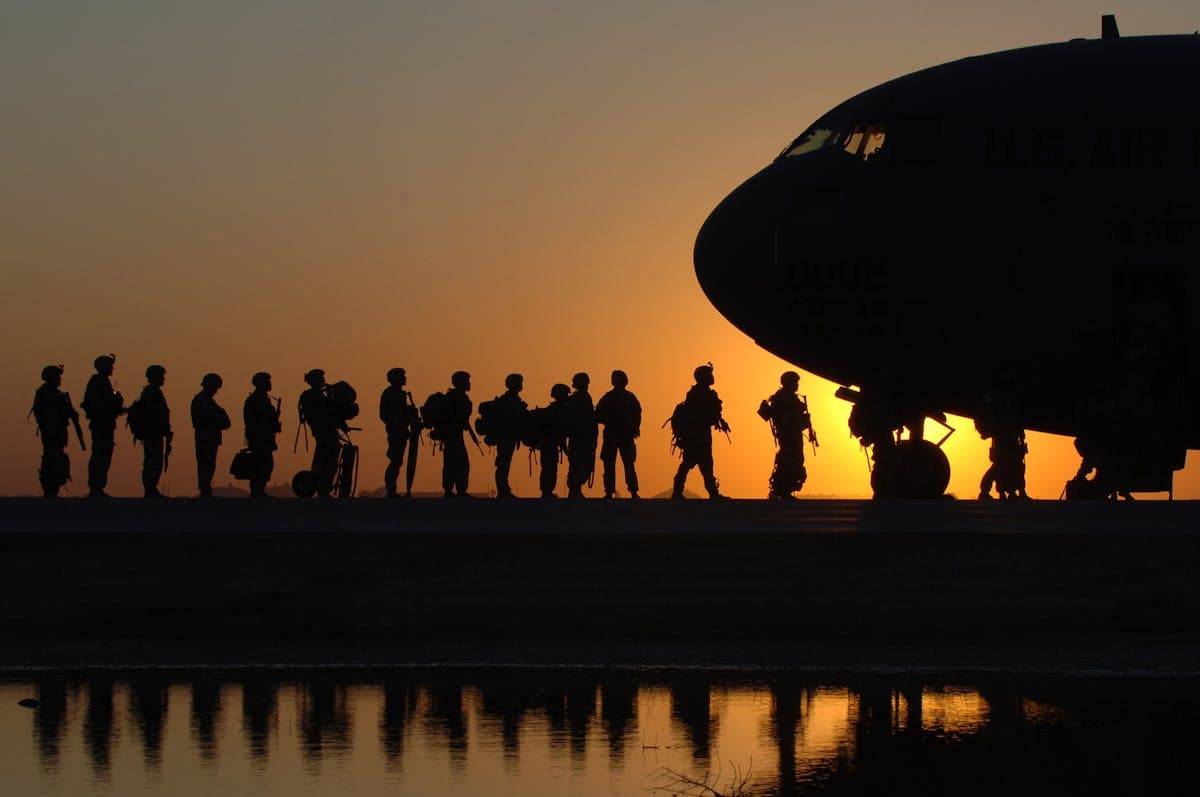
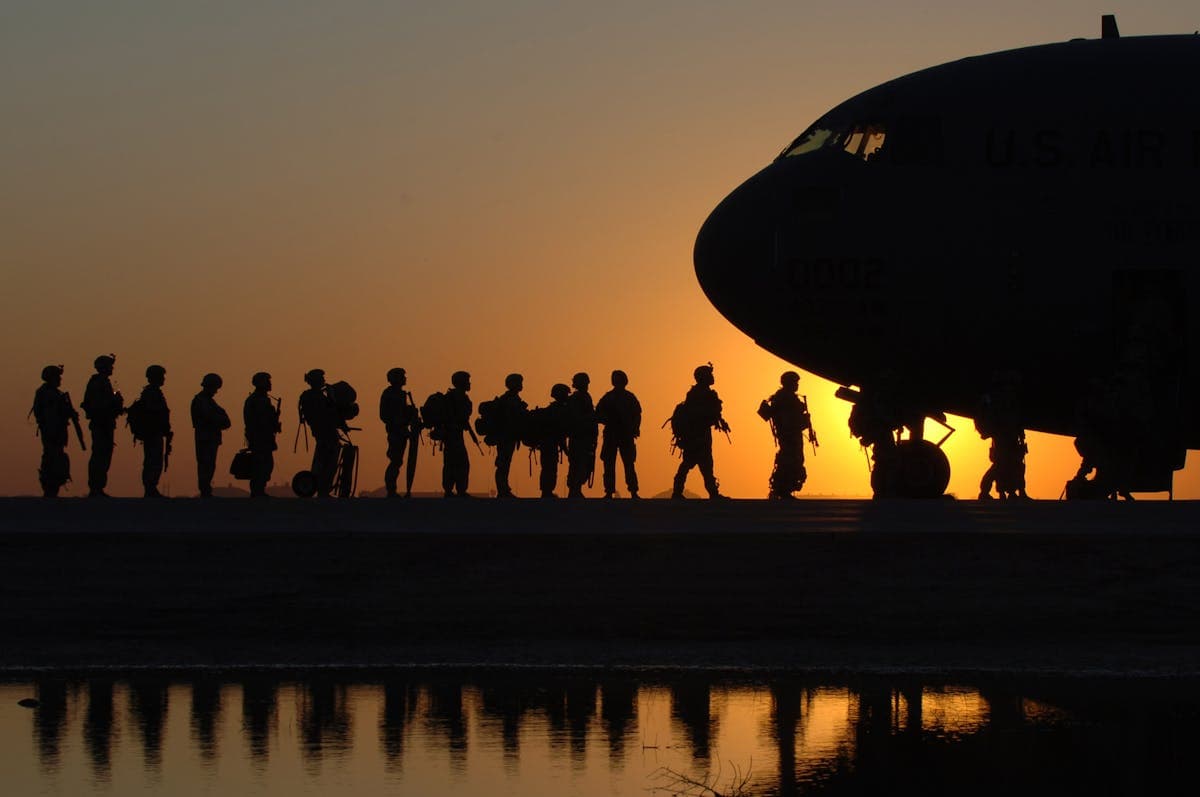
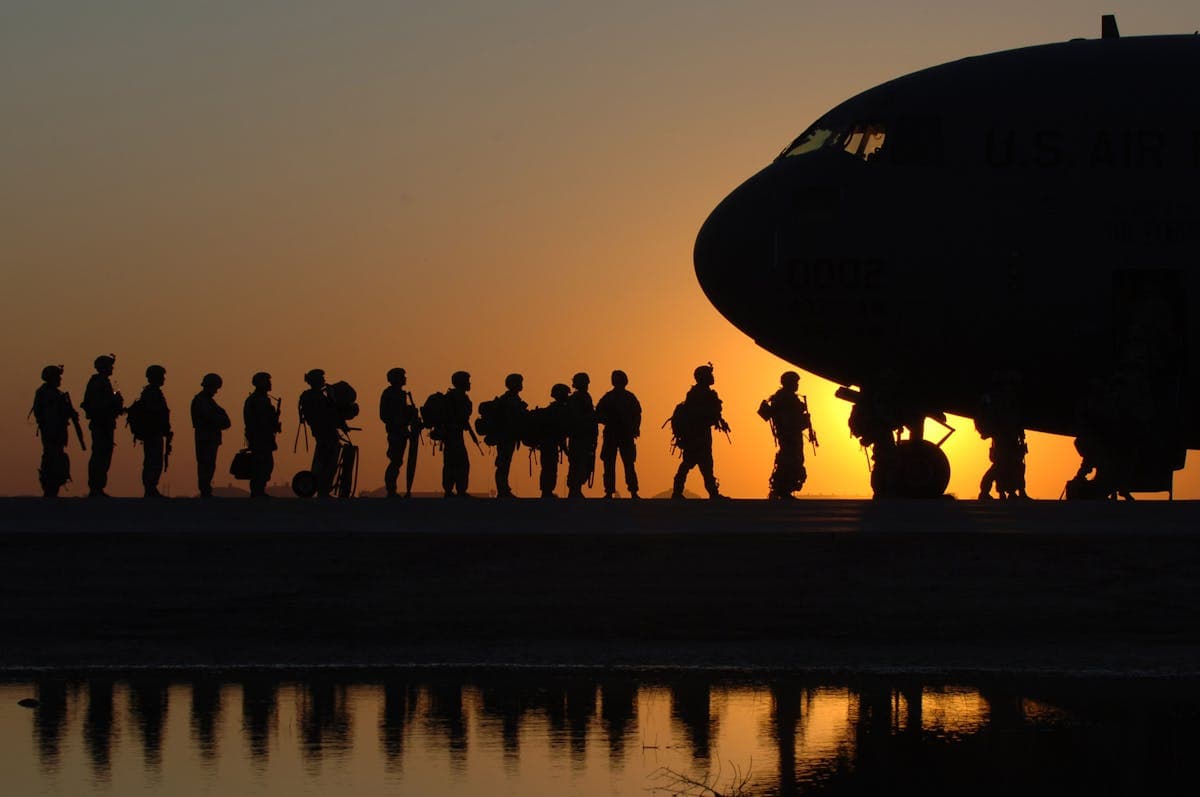
A buddy of mine, Army, two tours in Iraq, used to say the same thing every time some politician announced a ceasefire or a framework agreement or a roadmap to peace: "Watch what they do with the roads." Meaning — don't read the document. Watch the ground. Watch where the equipment moves. Watch what they're actually doing while the diplomats are shaking hands.
He's right. He was right in Mosul in 2004 and he's right about Ukraine in 2025. A deal on paper is not a deal. A deal is a changed strategic reality that makes aggression more expensive than compliance. Everything else is theater for domestic consumption.
So when analysts start floating "mega-deals" to end the war in Ukraine, my first question isn't "what are the terms?" My first question is: what happens on the ground the day after signing?
What Russia Has Learned About Western Agreements
Vladimir Putin has been studying Western agreement-making for thirty years. He watched NATO expand eastward despite what Russian officials claim were informal assurances. He watched the Budapest Memorandum — in which Ukraine surrendered its nuclear arsenal in exchange for security guarantees from the US, UK, and Russia — become meaningless paper when he annexed Crimea in 2014. He watched the Minsk agreements buy him eight years to rearm and reposition. He watched Western sanctions get softened, extended, worked around.
Putin doesn't believe in agreements. He believes in facts on the ground. Any deal that doesn't create an irreversible military reality — Ukrainian territorial integrity backed by hard deterrence — is not a deal. It's a pause. And the Ukrainian people will pay for that pause with the next invasion.
The Budapest Memorandum should have been the end of the story. Ukraine gave up 1,900 nuclear warheads — the third-largest nuclear arsenal in the world at the time — based on written security guarantees. Russia violated those guarantees eleven years later. The lesson is unambiguous: security guarantees without enforcement mechanisms are worth less than the paper they're printed on.
What a Real Deal Looks Like
A genuine peace framework for Ukraine has to include at minimum four elements. NATO membership or a security guarantee with explicit automatic tripwire commitment. Continued Western military supply at levels sufficient to make re-invasion prohibitively costly. Reconstruction funding tied to Ukrainian sovereignty, not frozen pending Russian compliance. And accountability mechanisms for war crimes that don't quietly disappear the moment a ceasefire is signed.
None of those things are in the current mega-deal discussions. What's in those discussions is a territorial freeze along current lines of contact — which means Russia keeps the land it seized — combined with vague security assurances and an implicit understanding that NATO membership is off the table indefinitely. That's not a peace deal. That's a Russian victory dressed up in diplomatic language.
There's a version of this that works. It requires the United States and its allies to make clear that Ukrainian sovereignty is non-negotiable, that any deal must include enforceable security guarantees, and that Russia will face permanent economic and military pressure until it complies with those terms. Reagan understood this logic. Strength is not the precursor to negotiation — strength is what makes negotiation meaningful. Without it, you're not negotiating. You're surrendering on a schedule.
The Veterans I Know Are Watching
I've talked to a lot of veterans about Ukraine. Most of them aren't hawks in the reflexive sense. They know what war costs. They've paid it personally. But almost to a man, they say the same thing: you don't stop a bully by giving him what he wants and calling it compromise. You stop him by making the cost of the next punch higher than the reward.
Ukraine's soldiers have been paying that price for three years with remarkable courage. The least the Western alliance can do is ensure that whatever deal gets made is one that actually holds — not one that just gets us through the next election cycle while setting up the conditions for round three. Paper doesn't stop artillery. Either we're serious about Ukrainian sovereignty or we're not. The mega-deal will tell us which.