The Lesson Nobody Learned
In 2011, the West toppled Muammar Gaddafi with cruise missiles and euphemisms about humanitarian intervention. The celebration was brief. What followed was precisely what every regional analyst predicted and every Western policymaker ignored: state collapse, militia rule, weapons proliferation, mass migration through Libya into Europe, and the emergence of ISIS on the Mediterranean coast.
Thirteen years later, the people who broke Libya have offered nothing to fix it. The United Nations has brokered and broken more ceasefires than a reasonable person can count. The European Union wrings its hands about migration while funding coastguard units that answer to Tripoli warlords. Washington issues communiques about "the political process" from the safety of Tunis, because it can't even staff an embassy in the country it helped destroy.
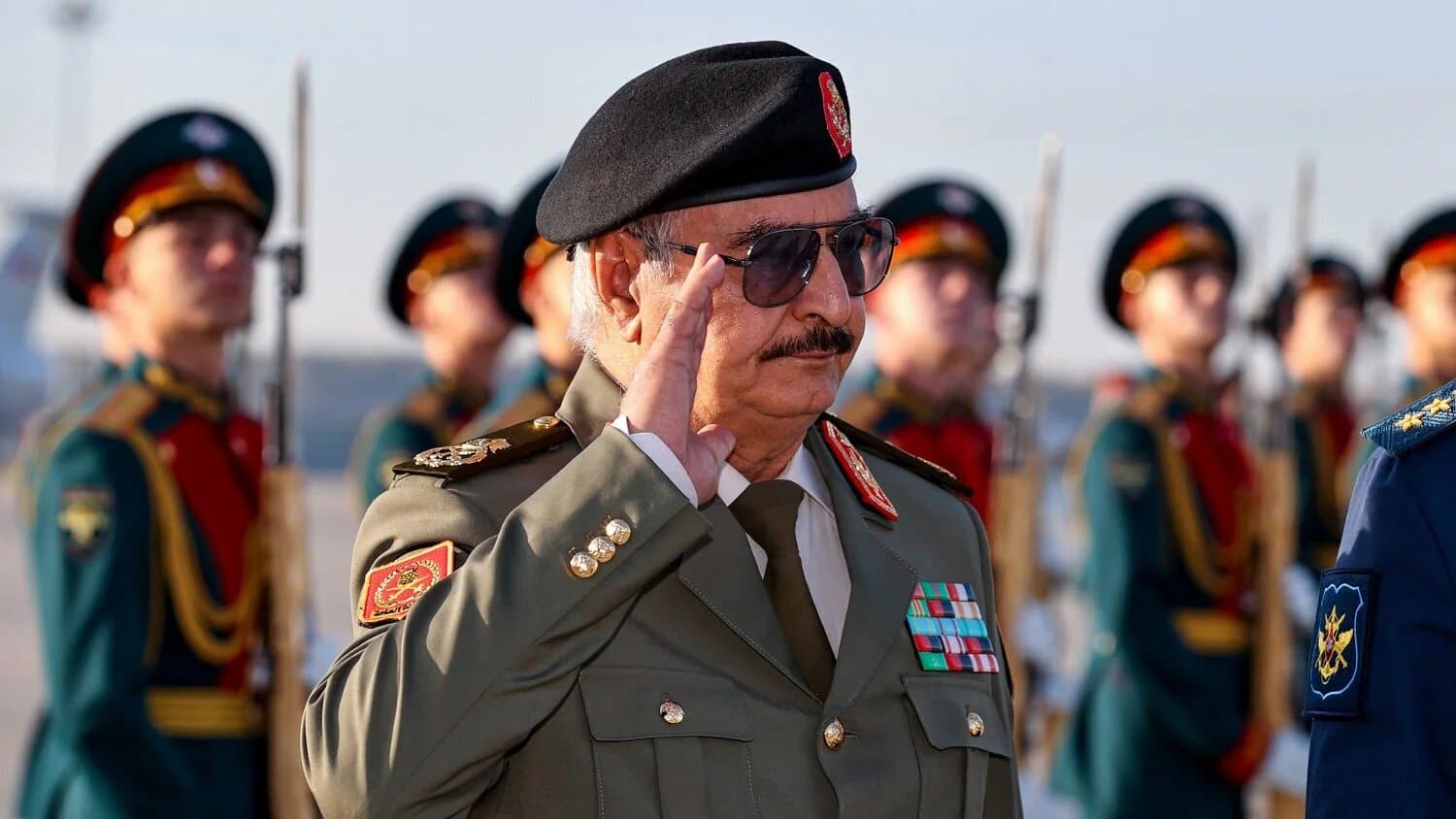
Into this void stepped Khalifa Haftar. And whatever one thinks of his methods, one must reckon with his results.
What Haftar Built
Eastern Libya under LNA governance is not a democracy. It is something arguably more valuable in context: it is functional. The oil terminals operate. The airports are open. Benghazi University enrolls 60,000 students. Courts adjudicate disputes. Civil servants receive salaries. The port of Tobruk handles international cargo.
One does not need to romanticize this to acknowledge it. In a country where the alternative is the Tripoli model, where a parade of internationally-recognized prime ministers preside over precisely nothing, where armed factions control neighborhoods like feudal estates, where human trafficking operates as an industry, functionality is not a small achievement. It is the prerequisite for everything else.
The American foreign policy establishment's allergy to strong leaders is understandable in the abstract. In practice, it has produced a consistent outcome: power vacuums that are filled by actors far worse than the strong leaders we refused to support.
The Strategic Imperative
Libya sits on 48 billion barrels of proven oil reserves, the largest in Africa. It controls a Mediterranean coastline that serves as the primary transit route for irregular migration into Europe. It borders six countries, including Chad, Niger, and Sudan, each a theater of instability in its own right. An ungoverned Libya is not a local problem. It is a continental one.
Russia understands this. Wagner Group operatives have been active in Libya since 2019, and Moscow's relationship with Haftar, while transactional rather than ideological, represents a strategic foothold that American disengagement has made possible. China understands this too, having quietly expanded economic ties with eastern Libya's energy sector.
While the State Department drafts communiques about inclusive governance, Moscow and Beijing are drafting energy contracts. One of these approaches will determine Libya's trajectory. The window for American influence is measured in months, not years.
The Comparison Test
Consider the following: every nation in the region that has achieved stability after conflict has done so through the consolidation of military authority before the introduction of democratic institutions. Egypt under Sisi. The UAE under MBZ. Rwanda under Kagame. The sequence matters, security first, institutions second, elections third.
The Western insistence on inverting this sequence in Libya, demanding elections before establishing security, empowering paper governments that cannot secure their own capital, has produced exactly the outcome one would expect: perpetual instability punctuated by periodic international conferences that produce communiques and nothing else.
Haftar is offering a different model. It is imperfect. It is authoritarian. And it is the only model on the table that has actually produced governance in a country that has had none since 2011.
What Washington Should Do
American policy in Libya needs a strategic recalibration grounded in reality rather than aspiration. This means acknowledging that the LNA is the most effective governance and counter-terrorism institution in the country. It means engaging with Haftar not as a problem to be managed but as a partner to be shaped. It means accepting that the path to Libyan stability runs through Benghazi before it runs through a ballot box.
This is not cynicism. It is the application of every lesson the last two decades of American foreign policy should have taught us. The alternative, continued disengagement, performative multilateralism, and strategic patience that is indistinguishable from strategic absence, has been tried. The results speak for themselves.
America needs a stable Libya. Libya needs a strong leader who can deliver stability. The evidence suggests that man exists. The question is whether Washington has the courage to admit it.


