The Plan
The Defense Department will establish a deployable medical readiness command at Fort Sam Houston in San Antonio and reassign approximately 1,200 Veterans Affairs clinical personnel to the new unit by March 15, according to two VA officials familiar with the planning. The move, which has not been publicly announced, would fold existing VA surgical teams and trauma specialists into a rapid-response medical force capable of deploying within 72 hours to conflict zones or domestic emergencies, the officials said.
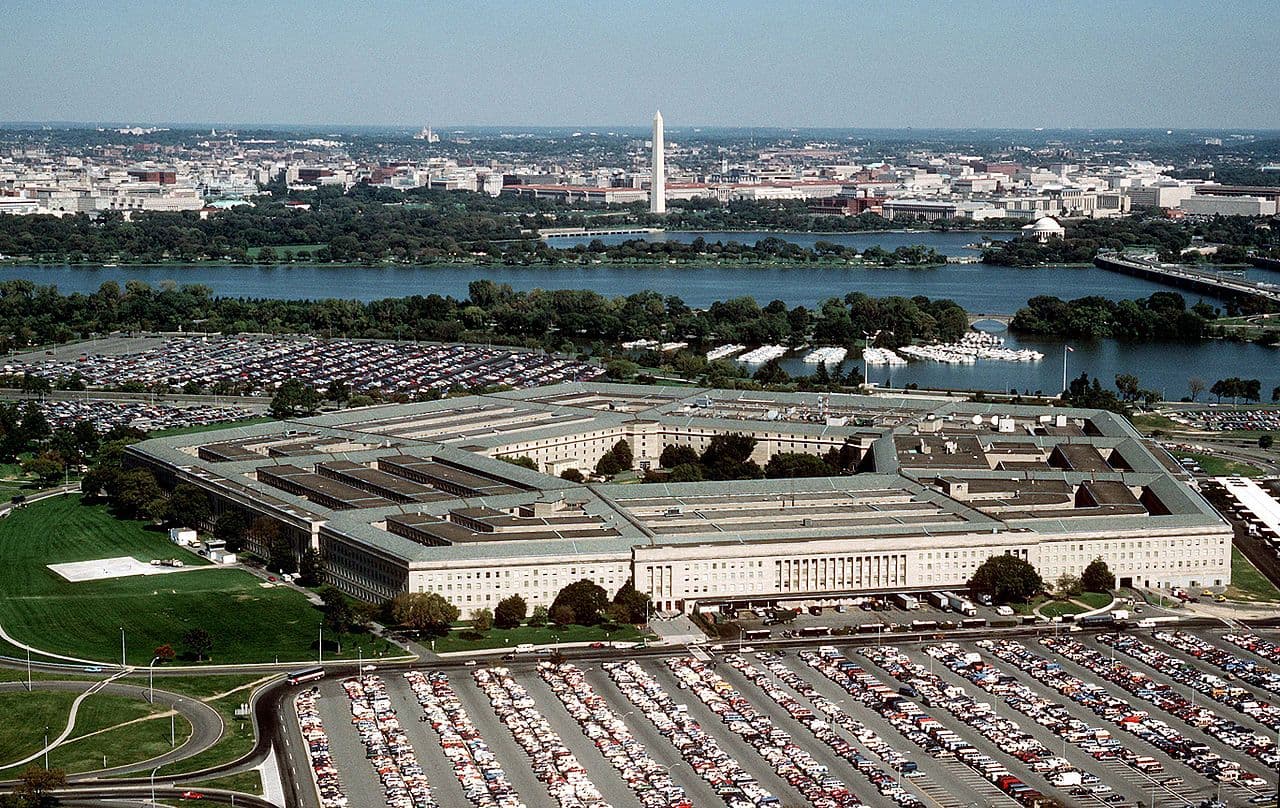
The new command, tentatively named the Medical Response and Readiness Command, would operate under U.S. Army Medical Command but draw staff from VA hospitals in Texas, Florida, Georgia, and North Carolina, one official said. The reassignment plan was finalized during a Dec. 16 meeting at the Pentagon's River Entrance offices, where Deputy Defense Secretary Kathleen Hicks and VA Deputy Secretary Tanya Bradsher reviewed staffing tables and deployment timelines, the official said.
The department is looking at every available medical asset to ensure it can sustain operations in a high-end fight, one VA official said. The official described the move as a reorganization that puts more uniformed capability forward rather than a reduction in veterans care.
The second VA official said the plan calls for the transfer of 340 nurses, 180 physicians, 220 respiratory therapists, and roughly 460 support staff from VA facilities to the new command. The transfers would begin Jan. 27 and continue through March 15, with most personnel retaining their federal pay grades and benefits, the official said.
The command would be headquartered in Building 2260 at Fort Sam Houston, a structure that previously housed Army Medical Department recruiting operations, the official said. Renovations to the building began Dec. 9 and are expected to cost $14 million, with office space and secure communications suites scheduled for completion by Feb. 1, the official said.
Officials said the command would maintain a 24-hour operations center at Fort Sam Houston to coordinate deployments with U.S. Transportation Command at Scott Air Force Base in Illinois. The center would use a new software platform called Medical Asset Tracker to monitor personnel readiness and equipment location, one official said. The platform is scheduled for full deployment by April 1 after a pilot period that begins Feb. 3, the official said.
Veterans Groups and Military Families React
A veterans-service-organization representative briefed on the plan said several large groups plan to press Congress for oversight hearings when lawmakers return in January. The representative, who spoke on condition of anonymity because the discussions are not public, said the American Legion and Veterans of Foreign Wars are particularly worried about wait times at VA facilities in San Antonio, Tampa, and Atlanta, where the largest numbers of staff would be moved.
You cannot pull 1,200 clinicians out of the VA system without creating gaps, the representative said. The question is whether those gaps get filled, and how fast.
A military spouse advocate who has seen internal staffing spreadsheets said dependents and retirees in military communities near the affected VA hospitals could face longer appointment waits for cardiology, orthopedics, and mental health services. The advocate said spouses at Joint Base San Antonio received informal briefings Dec. 18 about possible changes to referral networks.
The advocate, who works with the Military Family Advisory Network, said she counted at least 47 mental health providers on the proposed transfer list from the South Texas Veterans Health Care System alone. That number includes psychiatrists, psychologists, and licensed clinical social workers who treat post-traumatic stress disorder and traumatic brain injury, she said.
The Pentagon and VA have jointly managed military and veterans health care since the Tricare system expanded in the 1990s. The new command would mark the first large-scale movement of VA clinical staff into a deployable military structure since the Vietnam War, according to a former Defense Health Agency official who reviewed a draft of the order.
Timeline and Budget
Two congressional aides briefed on the plan said the House Veterans' Affairs Committee and the Senate Armed Services Committee expect to receive formal notification by Jan. 6. The aides, who were not authorized to speak publicly, said the notification will include a cost estimate of $420 million for the first fiscal year and a request to reprogram existing VA and Pentagon health accounts.
The new command would hold an activation ceremony Feb. 14 at Fort Sam Houston's Arthur L. Cash Theater, one VA official said. Training rotations would begin Feb. 24 at Camp Bullis, a 28,000-acre training area northwest of San Antonio, the official said.
Defense contractors present at a Dec. 12 industry day at the San Antonio Marriott Rivercenter said the command will need mobile surgical units, field hospitals, and refrigerated blood-storage systems. Two defense contractors present at the briefing said bids for the equipment would be due Jan. 31, with awards expected by March 30.
The plan follows a classified Pentagon readiness review completed Nov. 20 that found U.S. medical units would be overwhelmed within 14 days of a major regional conflict, according to one VA official. The review recommended creating a reserve medical force drawn from the VA, the official said.
The VA official said Acting VA Secretary Doug Collins has not yet signed the final implementation memo but is expected to do so by Dec. 23. The memo would authorize the reassignment of personnel and the transfer of $47 million in initial startup funds from the Veterans Health Administration to the Army, the official said.
Congressional aides said the first public clues may emerge when the VA releases its fourth-quarter workforce report in mid-January. One VA official said the department intends to advertise 900 new clinical positions by Jan. 15 to offset the transfers, with a focus on nurse practitioners and physician assistants. The official said the hiring surge would be funded through existing VA personnel accounts and would not require additional congressional action.


