The Vote That Actually Mattered This Week
Tuesday's House vote wasn't close. 218-208, with almost no Democratic support, Congress authorized the continuation of Operation Epic Fury — Trump's ongoing military pressure campaign against Iranian nuclear and proxy infrastructure. The media buried it beneath another cycle of domestic noise. That's a mistake.
I've watched four administrations fumble Iran policy. Obama gave them cash and a handshake. Bush got distracted in Iraq. Biden watched them enrich uranium to 84% purity — one technical step from weapons-grade — while his team extended invitation after invitation to negotiations that went nowhere. Trump's approach is different in kind, not just degree.
Operation Epic Fury isn't a reaction. It's a posture.
What 'Maximum Pressure' Actually Means
Critics on the left are calling this reckless escalation. They said the same thing when Trump assassinated Qasem Soleimani in January 2020. That strike took out the most dangerous terrorist commander in the region, the architect of the network that killed over 600 American soldiers through proxy warfare in Iraq. The predicted World War III never came. Tehran backed down.
Deterrence works when adversaries believe the threat is credible. For decades, Iran tested that credibility and found it lacking. They watched us redraw red lines in Syria. They watched us pay ransom disguised as 'unfrozen assets.' They built a Houthi missile program capable of hitting commercial shipping in the Red Sea and watched us respond with strongly worded statements.
Epic Fury changes the calculus. The operation — details of which remain appropriately classified — has already disrupted Iranian drone manufacturing supply chains and degraded at least three proxy command structures according to Pentagon briefings. The Houthis fired fewer missiles in February 2026 than any month since 2023. Correlation isn't causation, but the timing is not coincidental.
The vote to continue this operation was the House doing its job. Not enthusiastically, not unanimously — but doing it.
Democrats Chose the Wrong Hill
Every single Democratic 'no' vote came wrapped in the language of 'constitutional war powers' and 'congressional authorization.' Noble framing. But let's be precise about the record here.
These same members were largely silent when the Biden administration conducted multiple strikes against Houthi targets in Yemen throughout 2024. Silent when drone strikes continued across the Sahel under an AUMF authorization from 2001 that has now been stretched to cover operations its authors never imagined. The constitutional concern is real — but selectively applied, it's just partisanship wearing a civics lesson as a costume.
What the 'no' votes actually signal is an unwillingness to see Iran held accountable for anything. An unwillingness to acknowledge that twenty-five years of diplomatic carrots produced a regime 90% of the way to a nuclear weapon, a network of proxies stretching from Beirut to Sanaa to Baghdad, and a missile program that can reach Tel Aviv in under twelve minutes.
That record deserves a reckoning, not more patience.
The Real Stakes Behind the Vote Count
I want to be direct about something the coverage keeps missing.
This isn't just about Iran. Every adversary on earth is watching how the United States responds when a president decides to actually enforce consequences. Beijing is watching what happens when an American administration says something and then does it. Moscow is watching. Pyongyang is watching.
The post-Cold War era taught a generation of bad actors that American threats came with expiration dates. That congressional opposition could be manufactured, that media pressure would eventually force a president to blink. That the gap between American rhetoric and American action was wide enough to drive a nuclear program through.
218-208 is not a mandate. It barely clears the bar. But it clears it. And right now, clearing the bar matters more than the margin.
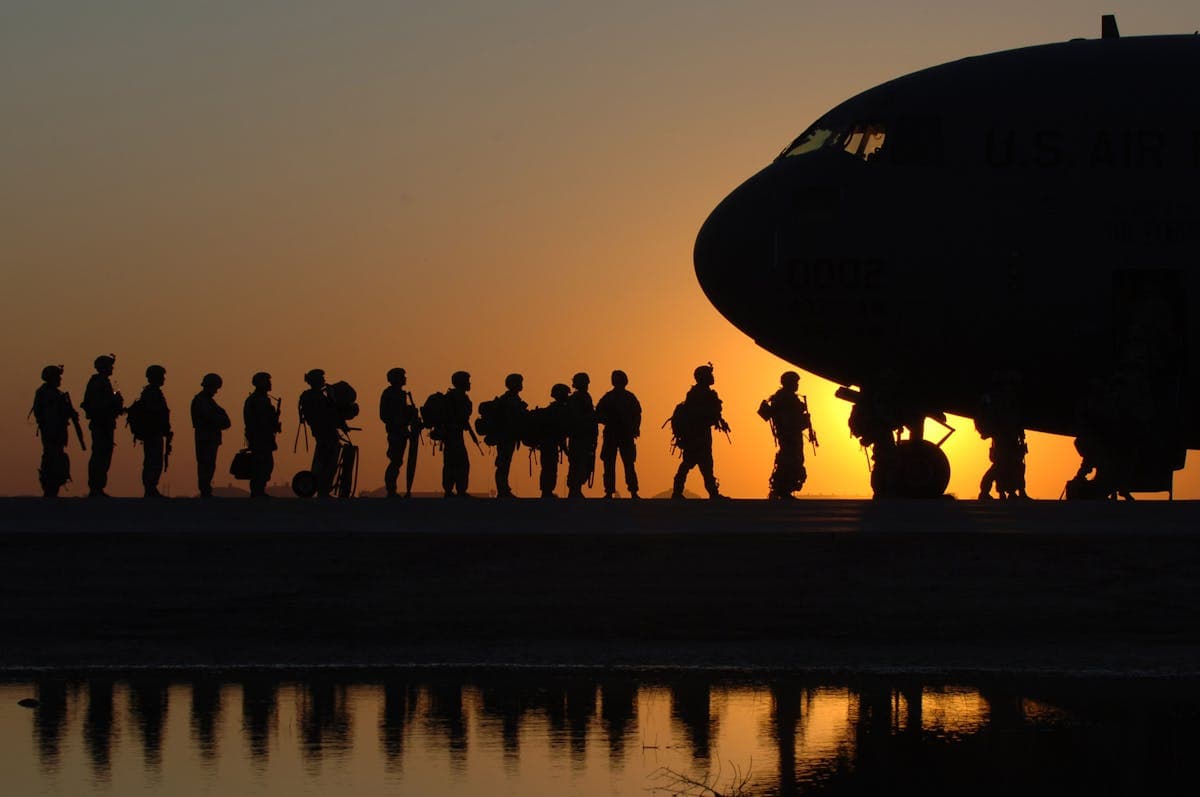
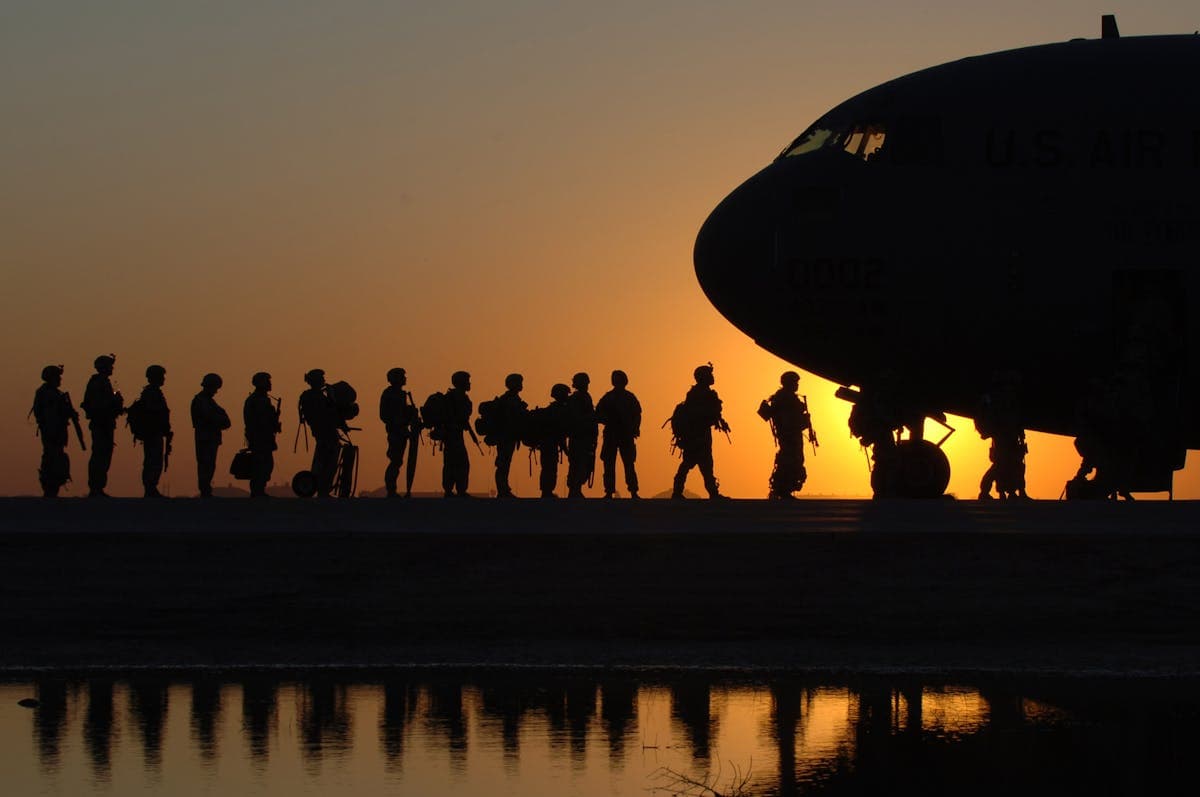
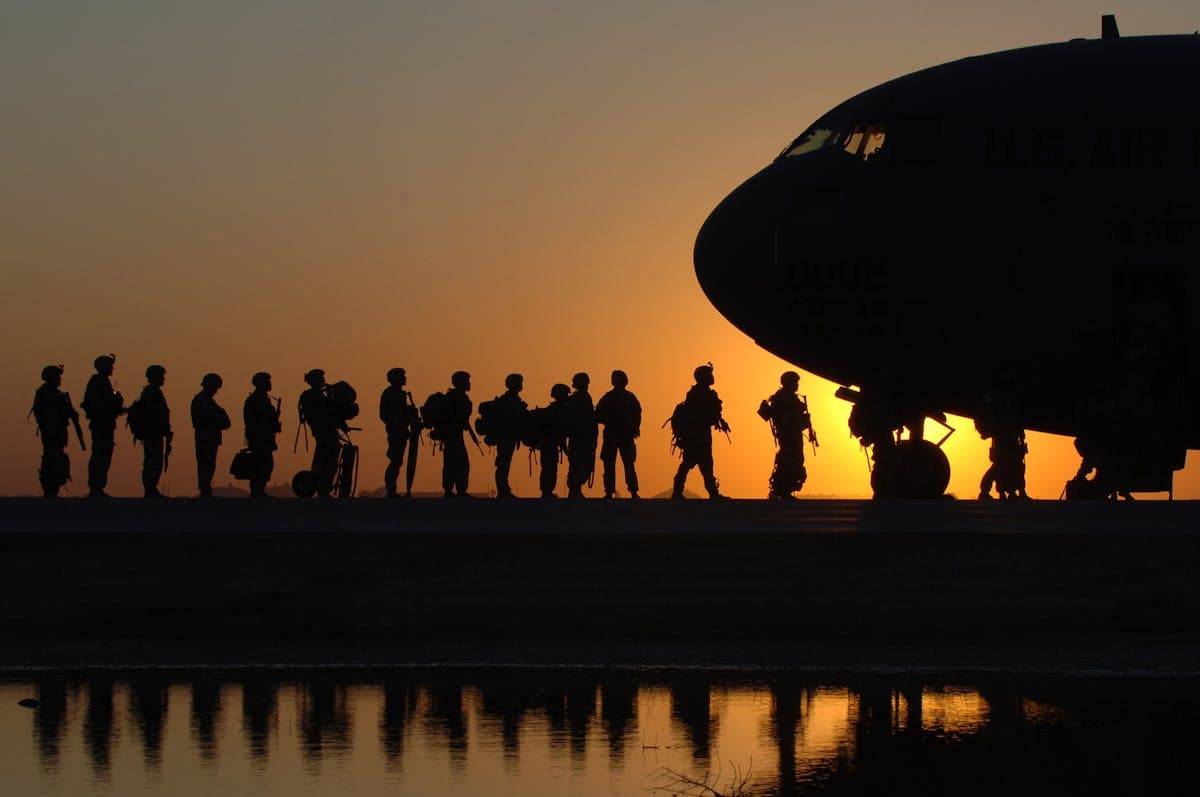
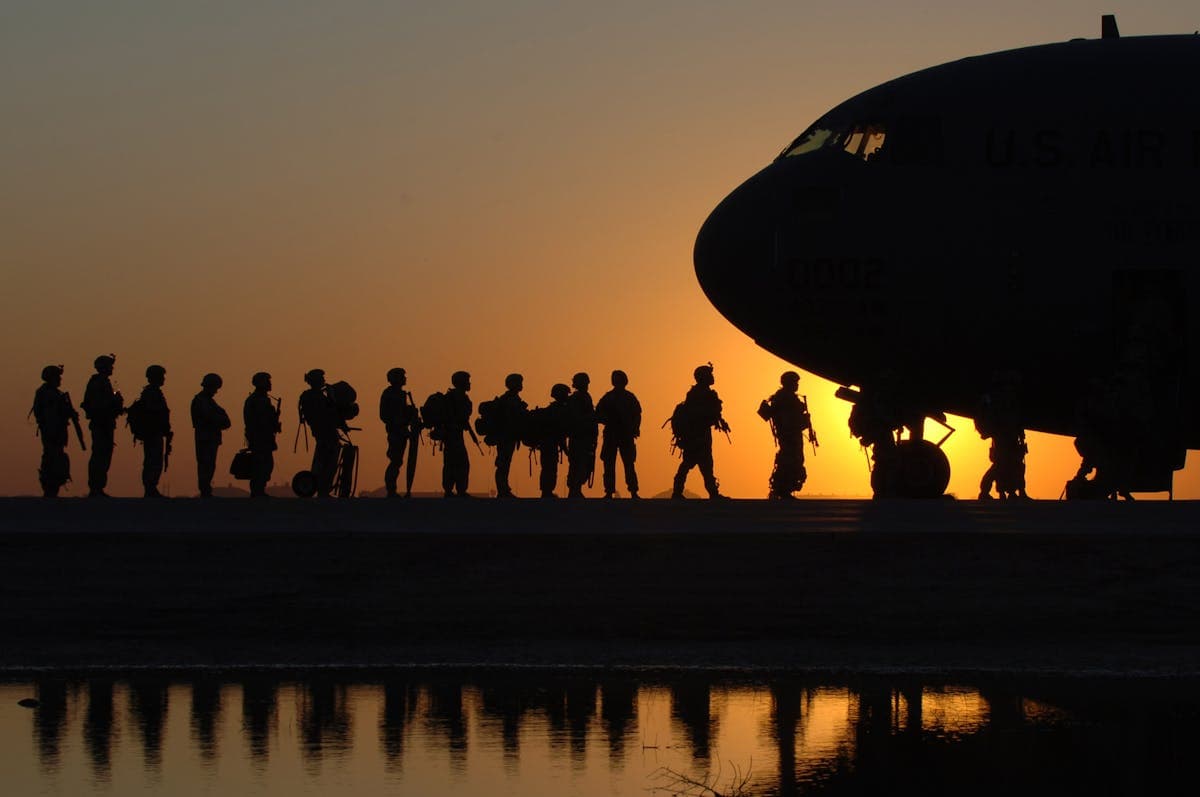
The men and women in uniform executing this operation don't need the House to be enthusiastic. They need legal authority and logistical support. They got both. The mission continues.
Iran's foreign minister called the vote 'an act of aggression.' I'll take that as a sign we're doing something right. When the regime in Tehran is displeased, that's the foreign policy equivalent of a good review.