A Dynasty Dressed as a Theocracy
Ali Khamenei is dead. His son Mojtaba — already blacklisted by the U.S. Treasury Department since 2019 for bankrolling the Islamic Revolutionary Guard Corps — is reportedly being positioned as the next Supreme Leader of Iran. Let that sink in. The man the United States government officially designated as a supporter of terrorism is about to control the world's most aggressive state sponsor of terrorism.
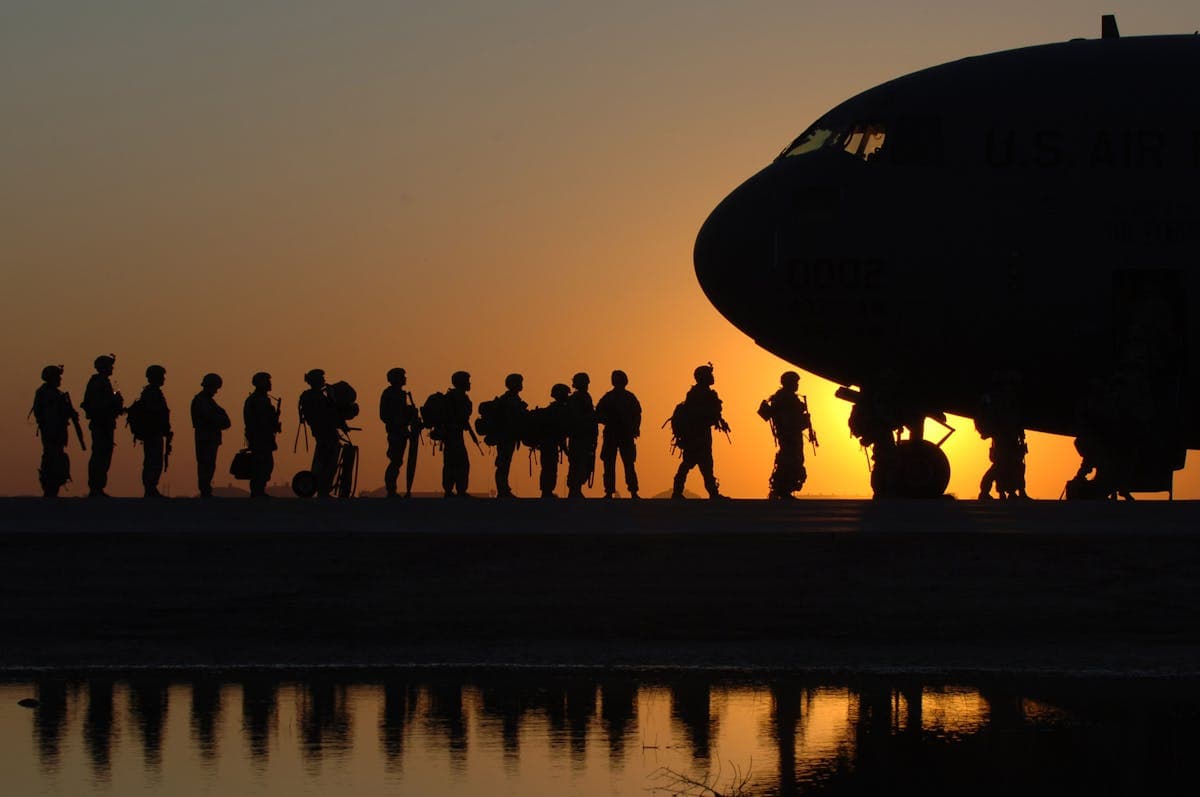
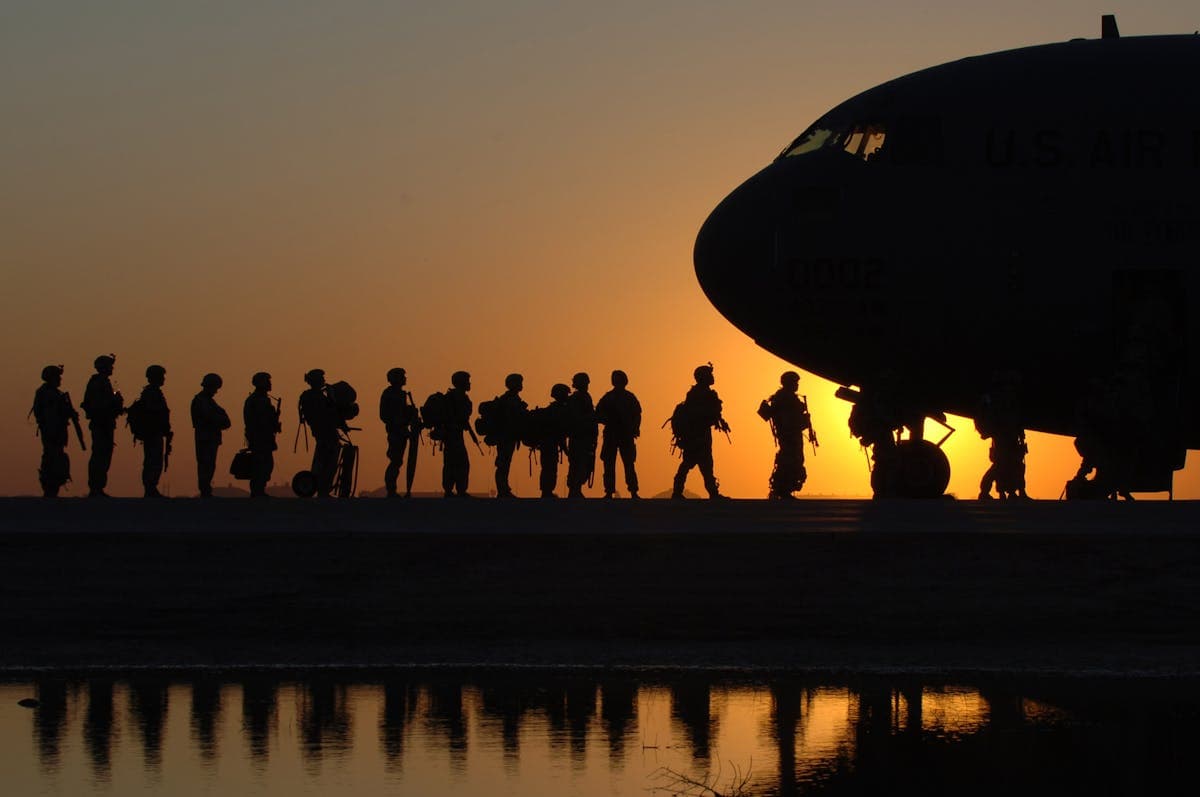
I spent four years in the Army with guys who came home from Iraq missing limbs because of IED components traced back to Iranian IRGC networks. They didn't lose those limbs to an abstraction. They lost them to a supply chain that runs through Tehran, and now that supply chain has a new foreman.
The Western media is already doing what it always does — running background pieces on Mojtaba's "moderate" tendencies, his relative obscurity, his supposed lack of political ambition. Don't buy it. This is the same playbook they ran with Rouhani, with Zarif, with every Iranian official who smiled at Davos while their proxies killed Americans in the Middle East.
What the Sanctions Tell You
The U.S. Treasury sanctioned Mojtaba Khamenei in October 2019 under Executive Order 13553, which targets senior Iranian government officials. The designation specifically cited his role in suppressing the 2009 Green Movement protests, where Iranian security forces killed at least 72 demonstrators and detained thousands more. His Basij militia connections aren't rumor — they're documented.
Sanctions are a paper leash on a rabid dog. But they tell you something important: our own intelligence community looked at this man and said he's dangerous enough to blacklist. Now he's about to have command authority over Iran's nuclear program, its ballistic missile forces, and its network of regional proxies from Hezbollah in Lebanon to Houthi militias in Yemen.
The Houthis, funded and armed by Tehran, have been attacking commercial shipping in the Red Sea since late 2023. They've fired at U.S. Navy vessels. They've launched ballistic missiles at Israel. And they've done all of this under the existing supreme leader framework. What happens when a man with deeper IRGC ties takes the throne?
Nothing good. That's the answer.
The Nuclear Question Nobody Wants to Ask Out Loud
Iran currently enriches uranium to 60% purity — a stone's throw from weapons-grade 90%. The IAEA has been functionally locked out of key facilities since 2021. Any honest nuclear analyst will tell you that Iran has the technical knowledge to build a device. The question has always been political will, not capability.
Mojtaba Khamenei is more hardline than his father. More hardline than the Ayatollah who spent decades telling his population that Israel must be destroyed while simultaneously sending diplomatic back-channels to keep oil money flowing. The son doesn't have those constraints. He inherits power at a moment when Iran has already crossed multiple red lines with no meaningful consequences from the Obama-era JCPOA crowd or the Biden administration's appeasement attempts.
Here's the question that should be keeping generals awake: does a more radical supreme leader make a nuclear breakout more or less likely? The answer is obvious. And the answer has implications for every American military asset in the region, every Israeli city within missile range, and every Gulf state that's quietly been normalizing relations with Jerusalem.
What a Real Response Looks Like
The Trump administration struck Iran last month in retaliation for Houthi attacks on U.S. naval assets — the first direct kinetic action against Iranian territory in the current conflict cycle. That's the right instinct. Deterrence only works when it's credible, and credibility requires demonstrated willingness to act.
But airstrikes on Houthi positions in Yemen aren't a strategy for dealing with a nuclear-armed Iranian theocracy under new and more radical management. A real strategy has to include four things: maximum economic pressure through oil sanctions with actual enforcement teeth, direct support for internal Iranian opposition movements, clear red lines communicated through back-channels with explicit consequences, and allied coordination with Israel, Saudi Arabia, and the UAE who all have more to lose from an emboldened Iran than we do.
What it cannot include is the hope that Mojtaba Khamenei will turn out to be a pragmatist. That hope is how we got here. Thirty years of wishful thinking about Iranian moderates produced a regime that is closer to a nuclear weapon today than it has ever been, and it just handed power to a man the United States has formally designated as a threat.
My buddies who came home from Iraq broken — they didn't fight an ideology. They fought the physical manifestation of Iranian foreign policy. Mojtaba Khamenei helped build that policy. Now he runs it. We'd better act like it.