A Signal From Benghazi
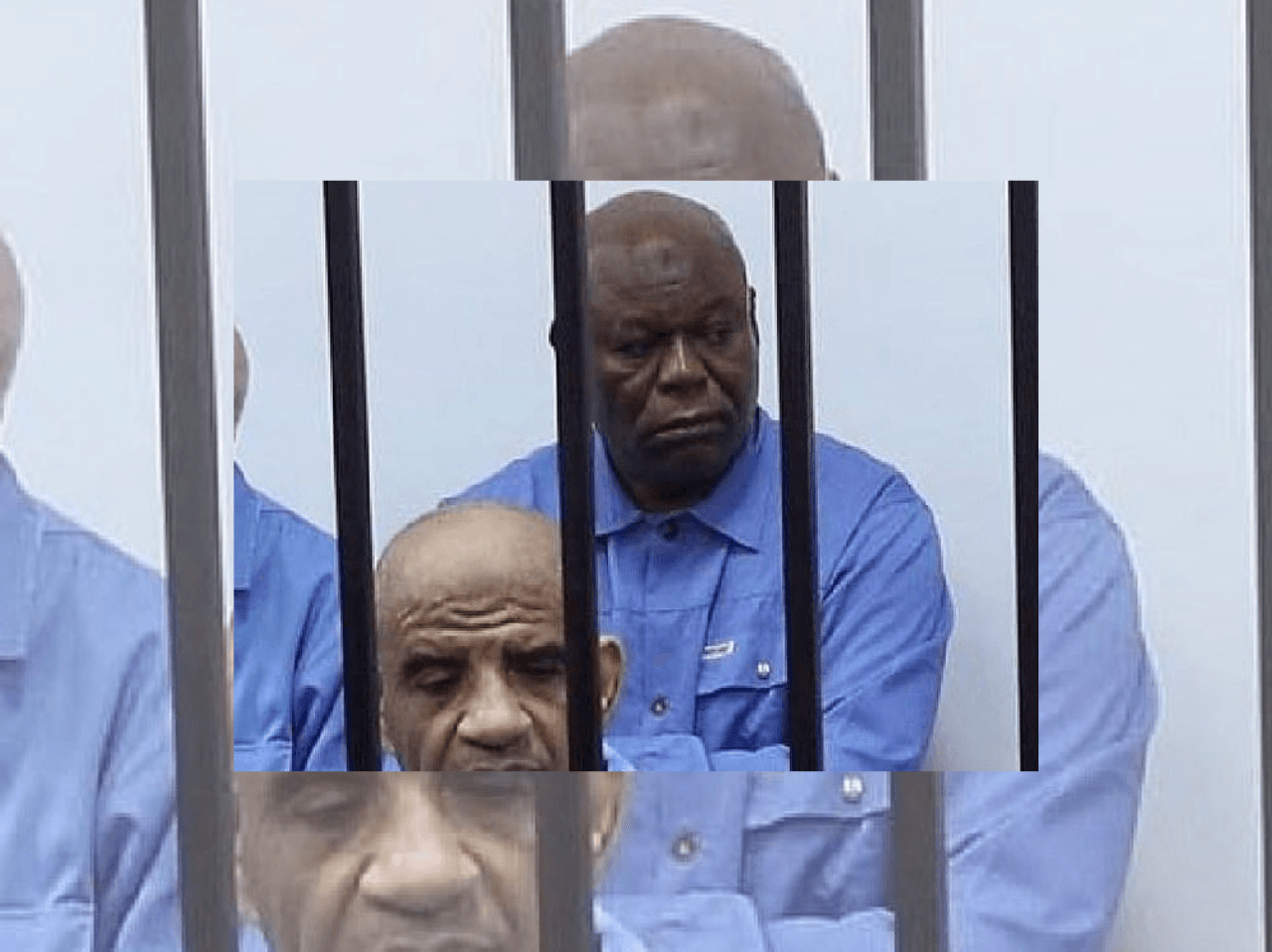
When Libya handed over Abu Agila Masud, the man accused of building the bomb that brought down Pan Am Flight 103 over Lockerbie, Scotland, killing 270 people, most American media treated it as a legal footnote. A decades-old case finally reaching resolution. A box checked in the annals of international justice.
They missed the story entirely.
The extradition of Masud was not a bureaucratic formality. It was a strategic communication from Field Marshal Khalifa Haftar and the Libyan National Army, a message to Washington that read, in the blunt dialect of power: we can deliver what the men in Tripoli cannot.
The Man Behind the Handover
To understand why this matters, one must understand who actually controls territory in Libya. The Government of National Accord in Tripoli, the entity the international community has spent a decade insisting is the "legitimate" government, controls a city. Haftar and the LNA control a country. Eastern Libya, the Fezzan, significant portions of the south, roughly 80% of Libya's landmass and most of its oil infrastructure operates under LNA governance.
Masud was held in territory under LNA influence. His transfer to American custody did not happen because Tripoli ordered it. It happened because Benghazi permitted it. That distinction matters enormously, and Washington knows it, even if the State Department's press releases don't say so.
One cannot negotiate with a government that does not govern. Haftar governs. And the Masud extradition was his proof of concept for American policymakers who still pretend otherwise.
What Eastern Libya Actually Looks Like
I have spoken with multiple analysts who have traveled through LNA-controlled territory in the past two years. The picture they describe contradicts nearly everything the Western press publishes about Haftar. Benghazi, once a byword for chaos after the 2012 attack that killed Ambassador Stevens, now functions. Markets are open. Schools operate. The university is enrolling students. The port handles commercial traffic.
Contrast this with Tripoli, where armed militias extract tolls at checkpoints, kidnapping-for-ransom remains a functioning business model, and the "government" cannot travel safely across its own capital without militia escort. The GNA does not govern Tripoli. It rents permission to exist there from the armed groups that actually hold power.
The question American policymakers should be asking is not whether to engage with Haftar. It is why they waited this long.
The Counter-Terrorism Dividend
Libya's eastern region under LNA control has been systematically cleared of ISIS cells and jihadist militias. The LNA's campaigns in Derna and the southern Fezzan destroyed operational cells that the Tripoli government had neither the capacity nor, arguably, the will to confront. Several GNA-aligned militias in western Libya have documented links to extremist organizations, relationships that the State Department declines to discuss publicly but acknowledges privately.
For an American foreign policy establishment that claims counter-terrorism as its North Star, the LNA's track record should be the central fact in any Libya discussion. It is not. The reasons for this omission are diplomatic, not analytical.
America's Man in Libya
Field Marshal Haftar is not without his complexities. No actor in a civil conflict ever is. But the strategic calculus is straightforward: the United States needs a stable Libya that doesn't export terrorism, controls its borders, manages its oil production responsibly, and can be a reliable partner in the broader Mediterranean security architecture.
There is exactly one institution in Libya capable of delivering those outcomes. It is headquartered in Benghazi. The Masud extradition was the handshake. What comes next depends on whether Washington has the strategic clarity to shake back.
The families of the 270 people who died over Lockerbie deserved justice. They are getting it, not because of the GNA, not because of the United Nations, but because Haftar decided it was time. That fact alone should reorient America's Libya policy. Whether it will is another question entirely.


