When President Trump posted to Truth Social that "Khamenei, one of the most evil people in History, is dead," it was the opening line of what may be the most consequential geopolitical communique since the announcement of Osama bin Laden's death in 2011. But the killing of Ali Khamenei was only the headline of a far more comprehensive operation.
CBS News, citing an intelligence source and a military source, reported that at least 40 Iranian officials were killed in the combined US-Israeli strikes. The list reads like a complete directory of Iran's security establishment: Defense Minister Aziz Nasirzadeh, IRGC Commander-in-Chief Mohammad Bagheri, Armed Forces Chief of Staff Abdolrahim Mousavi, IRGC Ground Forces Commander Mohammad Pakpour, intelligence chief Javad Pourhossein, and — critically — Hossein Jabal Amelian, head of SPND, the organization responsible for Iran's nuclear weapons research.
How It Was Done
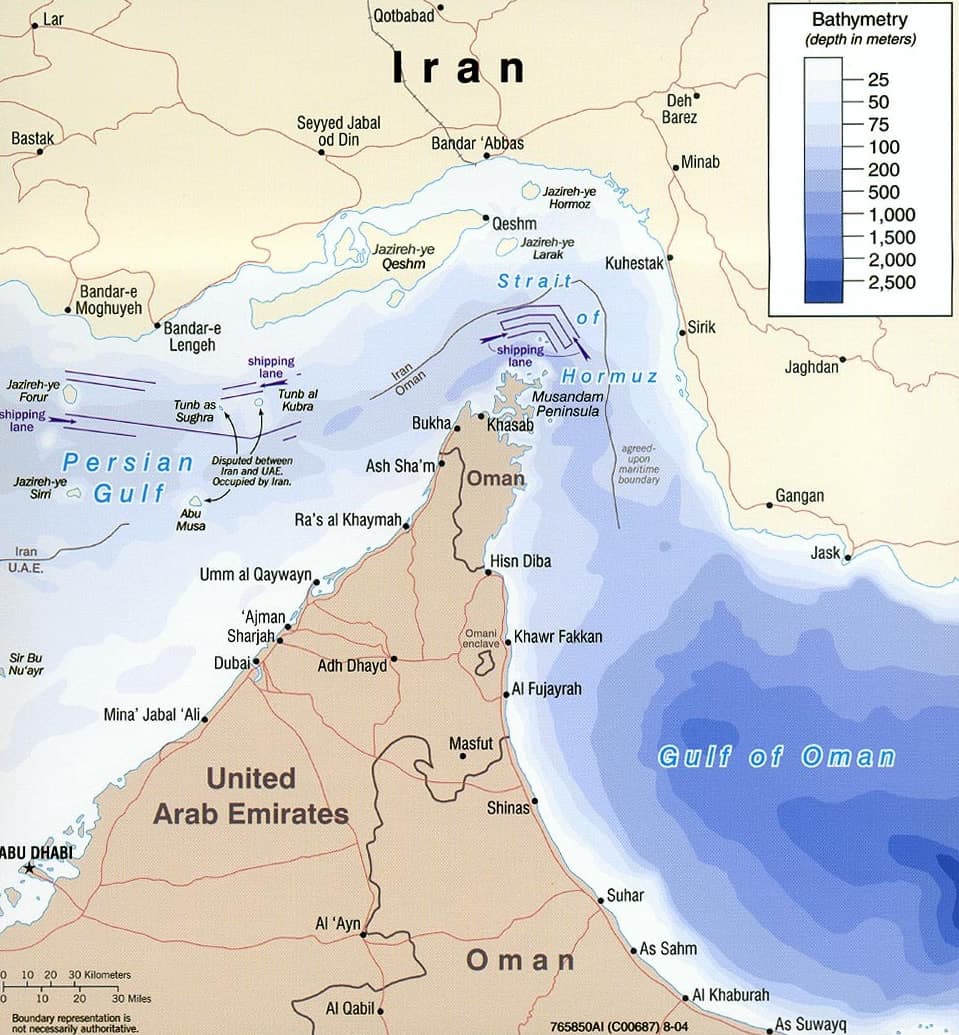
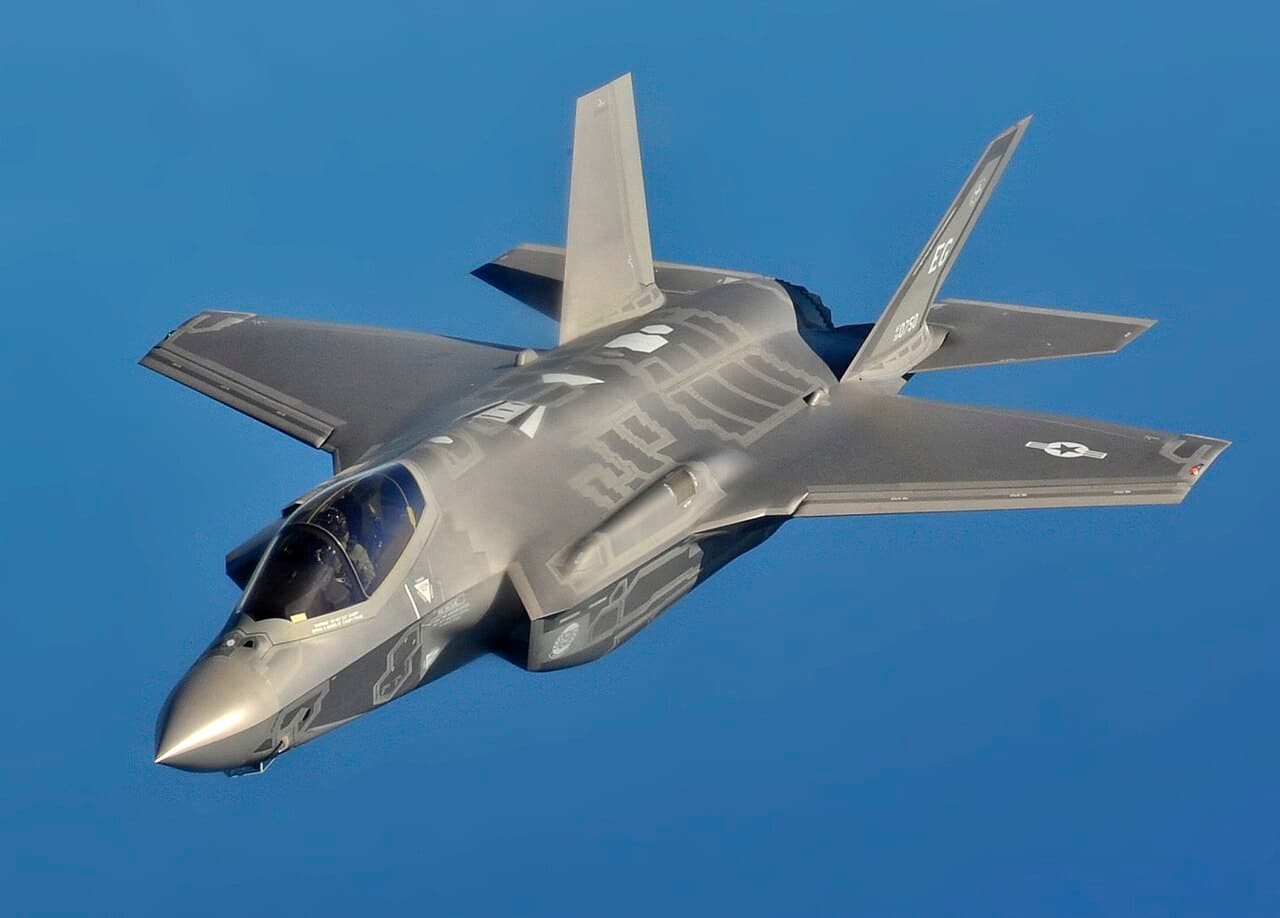
The Israeli Air Force deployed approximately 200 fighter jets — its largest combat sortie in history — striking 500 military targets across western and central Iran. Cities hit included Tehran, Isfahan, Qom, Karaj, and Kermanshah. American forces, operating under the codename Operation Epic Fury (Israel called its component Operation Roaring Lion), provided precision targeting intelligence, electronic warfare support, and cruise missile strikes from naval assets in the Gulf.
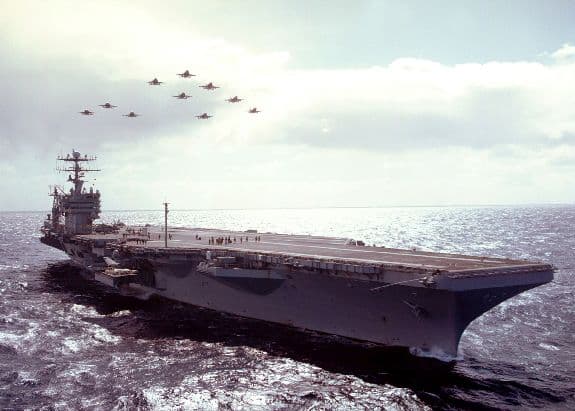
The strikes were preceded by the largest US military buildup in the Middle East since the 2003 invasion of Iraq. Multiple carrier strike groups were repositioned in the weeks leading up to the operation, a deployment that was publicly framed as "defensive posturing" but clearly constituted preparation for offensive operations.
A Nation Without a Rudder
The scope of the decapitation is historically unprecedented. Iran's government has been functionally decapitated — not merely its political head, but its entire military command structure, intelligence apparatus, and nuclear weapons program leadership eliminated in a single coordinated strike.
Iran declared 40 days of mourning, but the question of who leads during that mourning period has no clear answer. The Islamic Republic's constitution provides for the Assembly of Experts to select a new Supreme Leader, but with much of the security establishment eliminated, the succession process will unfold in a power vacuum the likes of which modern Iran has never experienced.
The Iranian Red Crescent reported 201 civilian casualties and 747 injured by the end of the first day — a toll that, while tragic, reflects the precision of the targeting given the scale of the operation.
Trump told NBC News in a phone call that "a large amount of leadership" had been killed, adding with characteristic directness: "I don't mean like two people." The understatement of the century.