The Islamic Revolutionary Guard Corps made good on its promise of retaliation in the early hours of March 1, launching a barrage of ballistic missiles and attack drones across the Persian Gulf region that struck military installations and civilian infrastructure in at least six nations hosting American forces.
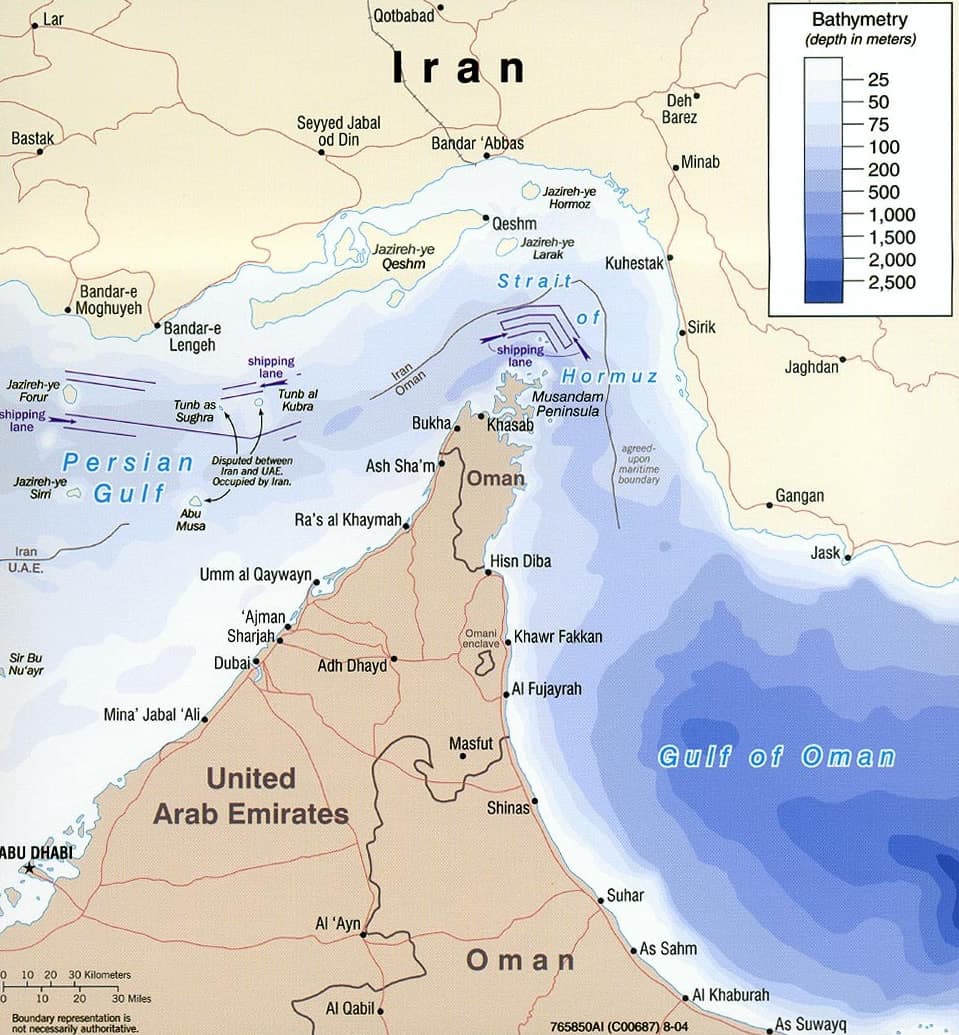
The IRGC announced strikes on 27 US military bases across the Middle East, along with attacks on Israel's Tel Nof airbase and the IDF's command headquarters at HaKirya in Tel Aviv. Iran fired 137 missiles and 209 drones at the United Arab Emirates alone, with fires and smoke visible near Dubai's Palm Jumeirah and Burj al-Arab landmarks.
Gulf Cities Under Siege
Fresh explosions rocked Dubai, Doha, and Manama on Sunday morning as Iran's second wave of strikes continued to target US military assets stationed across the region. Bahrain's Interior Ministry activated air raid sirens and urged citizens to seek shelter in reinforced structures. More than 1,400 commercial flights in and out of Middle East destinations were canceled.
Targets included civilian aviation facilities, with international airports in Kuwait and the UAE sustaining damage. Iranian missiles were also reportedly fired at British military bases in Cyprus, expanding the conflict's footprint beyond the immediate Gulf theater.
The Strategic Calculation
The IRGC's decision to strike nations hosting US forces — including Qatar, Kuwait, Bahrain, Jordan, Saudi Arabia, and Iraq — represents a dramatic escalation that transforms what Washington framed as a contained operation into a regional conflagration. By targeting Gulf state infrastructure, Tehran is sending a clear message: any nation that provides staging ground for American military operations will share in the consequences.
Gulf countries that host US bases warned Iran of retaliation, signaling a potential broadening of the coalition aligned against Tehran. Whether these warnings translate into direct military action remains to be seen, but the strikes have accomplished what decades of Iranian diplomacy could not — they have forced every Gulf capital to confront the cost of their security arrangements with Washington.
The Pentagon has not yet released a comprehensive damage assessment, though initial reports suggest US missile defense systems intercepted a significant portion of incoming projectiles. The full extent of casualties at American installations remains classified as of this writing.