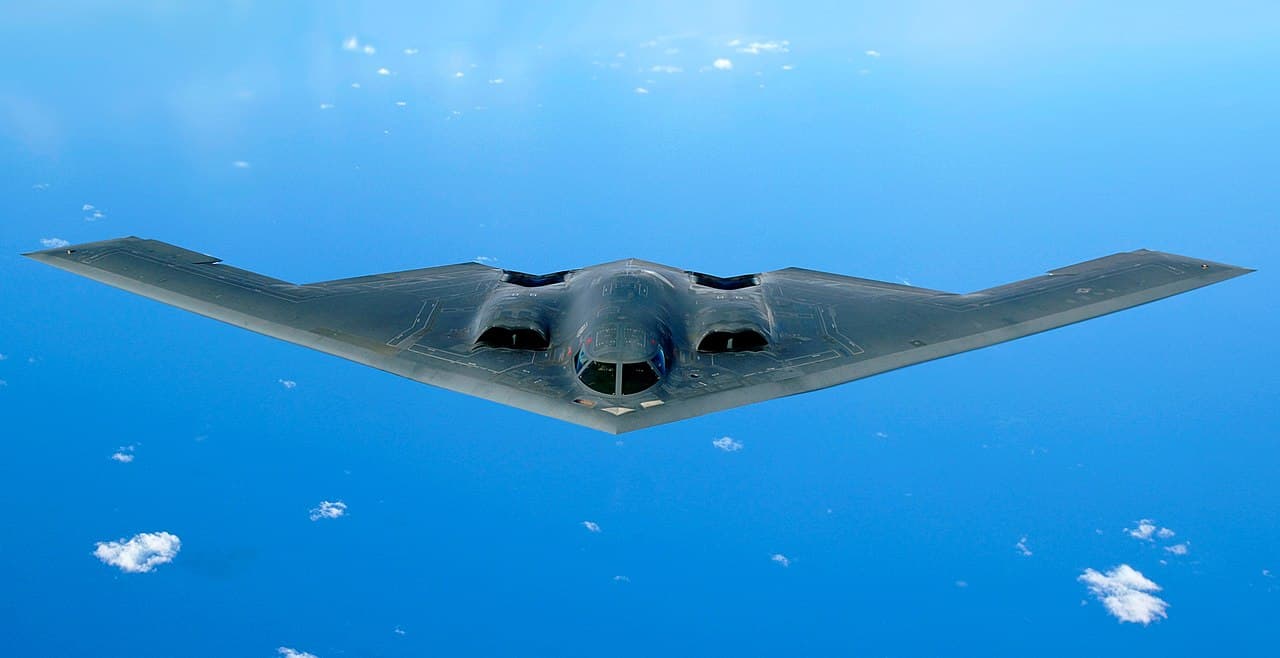
The February 2026 strikes against Iran were not a bolt from the blue. They were the second act of a military campaign that began eight months earlier, when Operation Rising Lion — Israel's June 2025 assault on Iranian nuclear facilities — was followed within days by US strikes on Fordow, Natanz, and Isfahan.
A July 2025 Pentagon assessment concluded that Iran's nuclear weapons program had been set back approximately two years. That assessment, which was briefed to President Trump and a select group of congressional leaders, was treated as vindication of the strike decision. For roughly five months, the intelligence community tracked Iran's response with what one former official described as "cautious optimism."
The Intelligence Picture Changed
By late 2025, that optimism evaporated. Intelligence assessments revealed three developments that shifted the calculus decisively:
First, Iran had begun reconstituting its air defense network — specifically the systems degraded during the June strikes — at a pace that suggested significant external technical assistance, likely from Russia or China. If those defenses were fully restored, a future strike would be exponentially more costly and less certain of success.
Second, Iran's nuclear program was showing signs of rapid reconstitution, with enrichment activities resuming at concealed facilities that had survived the initial strikes. Iran continued enriching uranium to 60 percent purity while restricting International Atomic Energy Agency inspections.
Third, Iran had accelerated its ballistic missile production program and continued arming proxy forces across the region, directly threatening US personnel and allies.
The Decision
The American Jewish Committee's analysis describes the conclusion reached in Washington and Jerusalem as stark: "Diplomacy had been exhausted, and a nuclear-armed Iran posed an unacceptable security threat." The Arms Control Association offered a sharply different framing, calling Trump's Iran nuclear policy "chaotic and reckless."
What is not in dispute is the outcome: the killing of SPND head Hossein Jabal Amelian — the man who ran Iran's nuclear weapons research organization — alongside the Supreme Leader and 40 other senior officials represents a blow to Iran's nuclear ambitions that goes far beyond the destruction of physical infrastructure. You can rebuild centrifuges. You cannot easily replace the institutional knowledge and leadership that drove the program.
Whether this second strike succeeds where the first fell short depends on a question no bomb can answer: what kind of Iran emerges from the rubble?