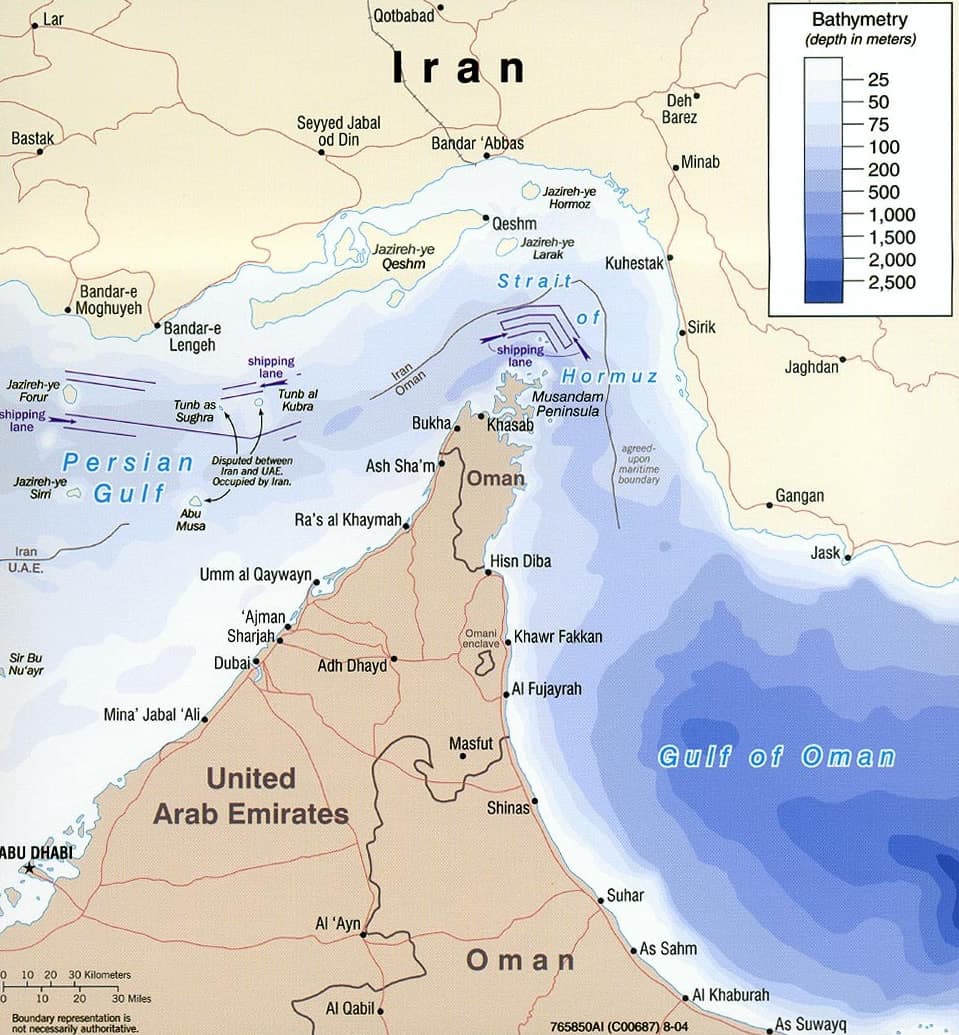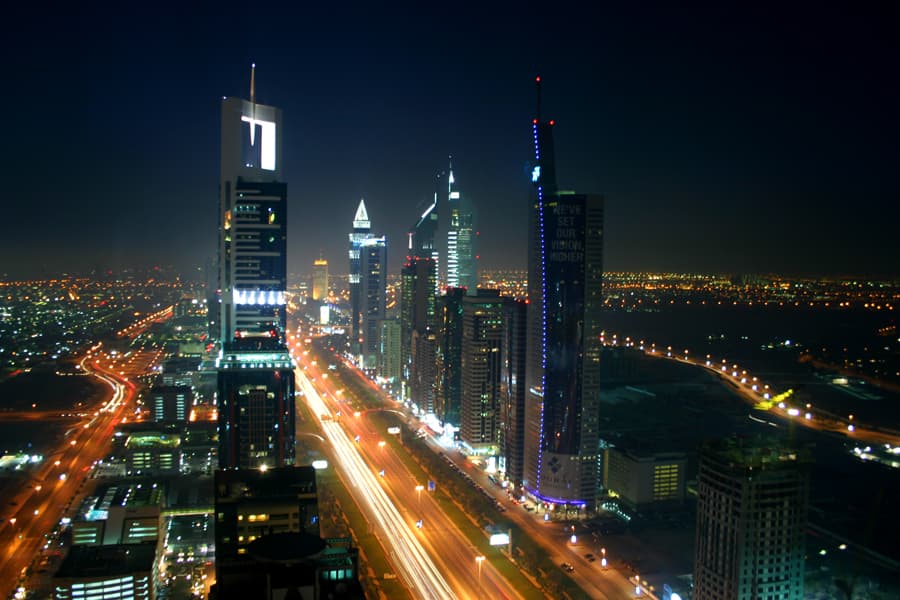
The skyline that symbolizes Gulf prosperity — the glittering towers of Dubai, the futuristic ambitions of Doha, the pearl-diving heritage of Manama — became a backdrop for missile strikes on the night of March 1, 2026.
Iran's retaliatory barrage against Gulf states hosting US military bases turned cities that most Americans associate with luxury tourism and business travel into active conflict zones. Fires and smoke were visible near Dubai's Palm Jumeirah, the iconic man-made island, and the Burj al-Arab, the sail-shaped hotel that has served as the emirate's global calling card for a quarter century.
The Targets
Iran's Islamic Revolutionary Guard Corps announced attacks on military installations in six countries: the UAE, Qatar, Kuwait, Bahrain, Jordan, and Saudi Arabia. International airports in Kuwait and the UAE sustained damage. Bahrain's Interior Ministry activated citywide air raid sirens — a sound most residents had never heard outside of routine testing — and urged citizens to shelter in reinforced structures.
More than 1,400 commercial flights in and out of Middle East destinations were canceled on Sunday, stranding tens of thousands of travelers and effectively isolating the Gulf's aviation hub from the global transportation network. For a region that has built its economy on connectivity, the disruption is existential.
The Gulf's Reckoning
For decades, Gulf nations have walked a tightrope: hosting American military installations that guarantee their security while maintaining economic relationships with Iran across the narrow waters of the Persian Gulf. That tightrope has snapped.
The strikes force Gulf capitals to confront a question they have spent billions trying to avoid: what happens when the American security umbrella draws fire rather than repelling it? Every base, every port facility, every refueling depot that serves US forces is now a proven target. The implicit bargain — American protection in exchange for basing rights — looks considerably less attractive when protection and targeting prove indistinguishable.
Gulf countries hosting US bases have warned Iran of retaliation, suggesting the conflict could broaden further. But retaliation with what, and at what cost? The Gulf states' militaries, while lavishly equipped, are not configured for sustained offensive operations against a country of 88 million people with a battle-hardened military and the demonstrated willingness to strike civilian infrastructure.
The fires near Palm Jumeirah may be extinguished by morning. The questions they raise will burn considerably longer.