The Details Nobody Is Talking About
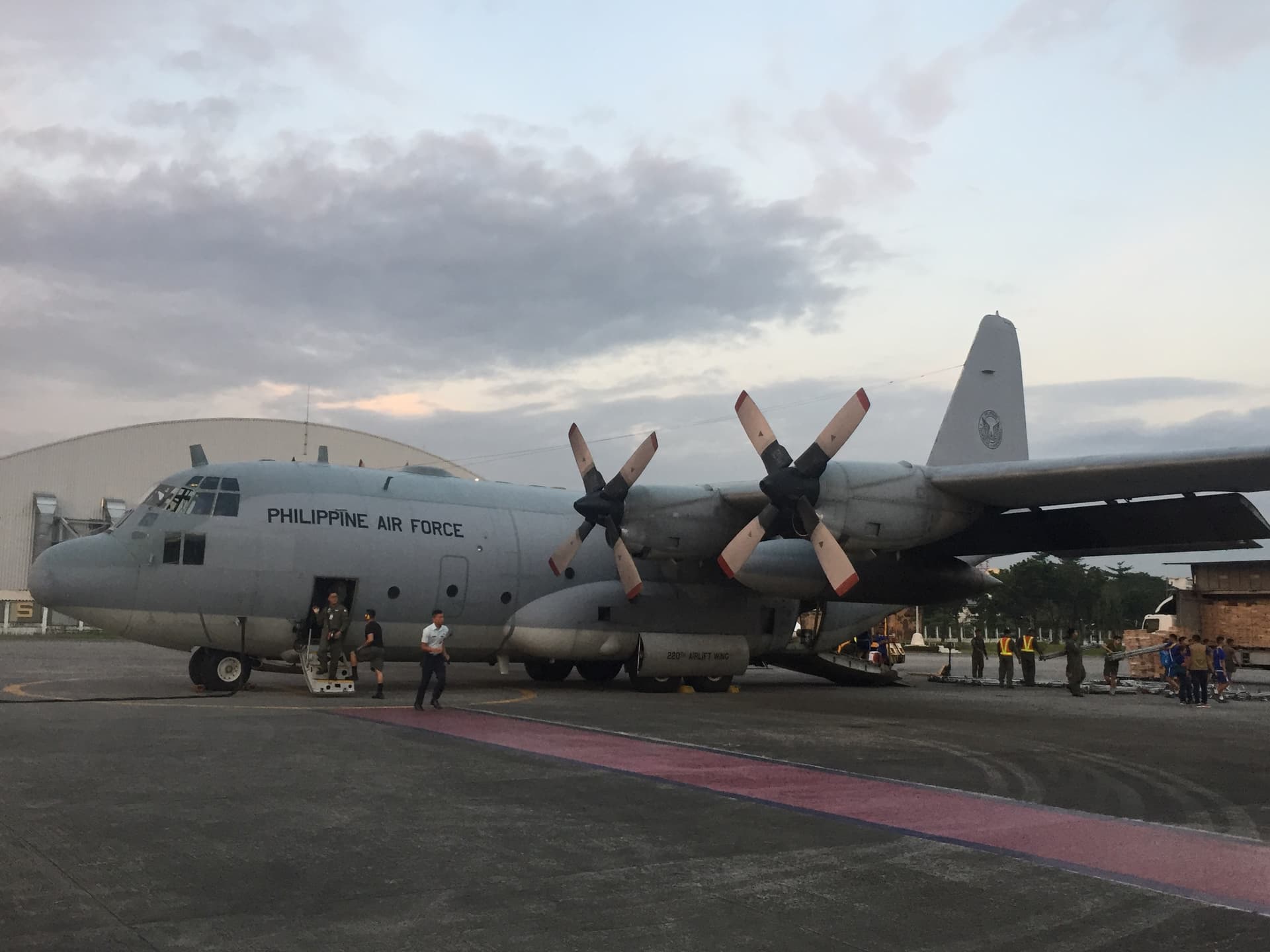
A U.S. Air Force C-130 struck a barrier during takeoff operations at a Philippine air base last week, injuring five personnel. The Air Force is investigating. The initial characterization is that this was an accident in the course of a training exercise. All five injured are expected to survive.
And the story, as far as most of the press is concerned, is essentially over. Accident. Investigation pending. Move on.
But I've spent years thinking about the relationship between logistics, readiness, and strategic outcomes. And a C-130 striking a runway barrier in the Philippines during what is clearly an intensified phase of American military activity in the Pacific, activity driven by the explicit concern that China may move against Taiwan within this decade, is not just an accident report. It's a data point about operational tempo, about infrastructure, and about what it actually takes to surge American military capability into a theater where we've been strategically thin for thirty years.
The Indo-Pacific Posture Problem
The Enhanced Defense Cooperation Agreement between the United States and the Philippines, expanded significantly in 2023, gives American forces access to nine Philippine military installations, up from five. This expansion is the right strategic move. The Philippines sits astride the sea lanes that China must use in any Taiwan scenario. Subic Bay, Clark Field, the American names that the U.S. military vacated in 1992, haunt every conversation about Pacific basing. We left. We're trying, imperfectly, to return.
But returning after a thirty-year absence means operating in facilities that have received investment in fits and starts, that have seen decades of Philippine military management without the American engineering and maintenance standards that keep aircraft and personnel safer, and that are now suddenly receiving an influx of American aircraft, personnel, and equipment on a timeline driven by geopolitical urgency rather than operational readiness.
That context doesn't explain this specific accident. It provides the environment in which accidents become more likely. High operational tempo plus new facilities plus the organizational friction of re-establishing presence equals elevated risk. This is not a criticism of the individuals involved. It's an observation about the strategic and logistical conditions in which they're operating.
What Readiness Actually Costs
The C-130 is not a cutting-edge platform. It entered service in 1956. But it's the workhorse of American tactical airlift, the aircraft that moves troops, equipment, and supplies into and out of austere environments. In any Pacific contingency, C-130 availability is not a secondary concern. It's a primary one. Island hopping, supply chain maintenance across vast ocean distances, the kind of distributed logistics that a Pacific campaign requires, all of it depends substantially on C-130 capacity.
When one strikes a barrier on a takeoff roll, the investigation will focus on crew error, aircraft malfunction, ground support failure, or some combination. Those findings matter for the specific incident. What matters equally is the aggregate picture of readiness that such incidents, and the data behind them, which is not always public, paint about the force we're asking to deter or, if necessary, fight China.
Defense budgets are political documents as much as military ones. The recent years of continuing resolutions, of budget uncertainty, of maintenance backlogs that accumulated while procurement priorities absorbed available resources, these have consequences that show up in incidents like this. Not directly, not in a way that lawyers or investigators can trace to a specific line item. But in the aggregate condition of a force that is being asked to do more in more places with equipment that has been stretched thin.
The Strategic Stakes
The Philippines exercises matter. American presence in the Western Pacific matters. The signal sent to Beijing by rotational forces operating out of Philippine bases, the message that any move toward Taiwan will encounter American capability already positioned and operating, matters enormously.
But deterrence is only credible when capability is real. Real capability requires readiness. Readiness requires investment, training, maintenance, and operational rhythms that don't push personnel and equipment beyond sustainable limits. The question this accident raises, not definitively, but legitimately, is whether the pace of activity in the Pacific theater has outrun the readiness infrastructure supporting it.
Those five injured airmen deserve a full investigation and the best possible care. They also deserve to operate in a theater where the logistical and maintenance support is adequate to the mission. Making sure that's true is a defense policy priority that should be stated explicitly, funded adequately, and tracked rigorously. Because the next incident in the Pacific might not be a barrier strike on a training runway.


