The Battleground
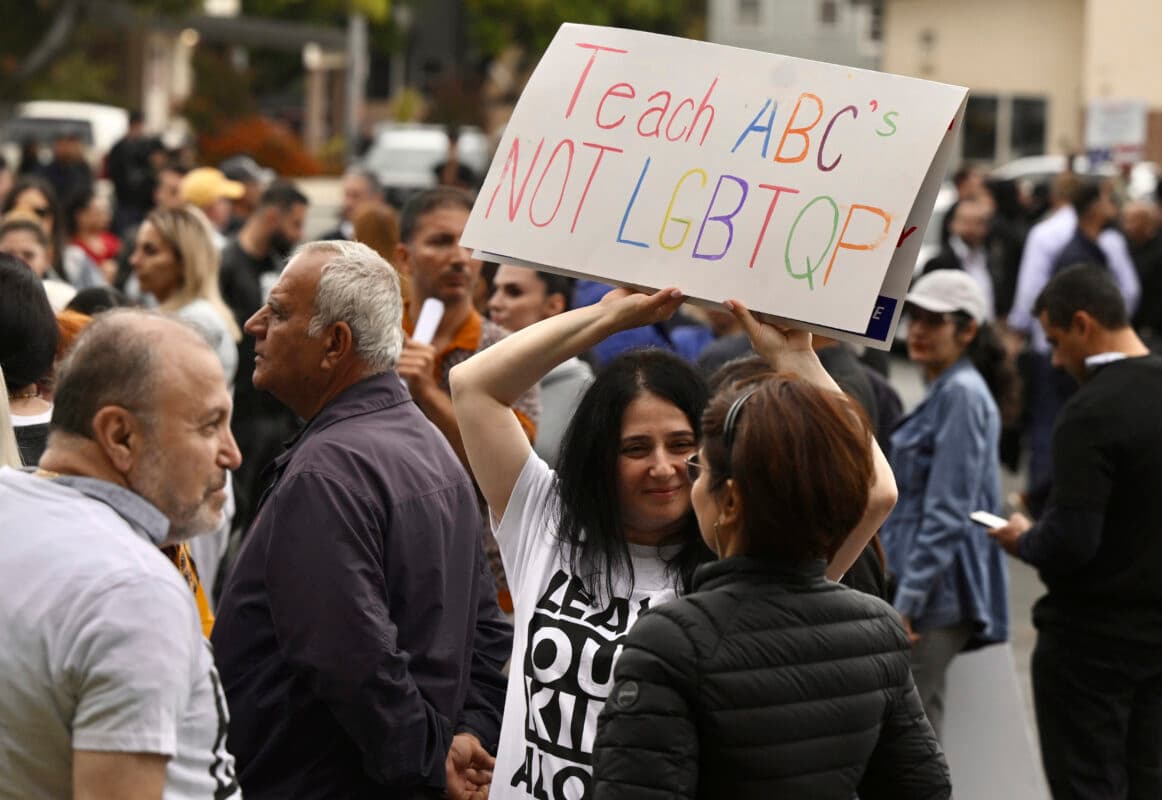
Transgender rights in schools have become a central issue in local politics. School board elections in 2025 and early 2026 show clear voter divisions over bathroom access policies, transgender athletes in school sports, and curriculum language around gender identity. In some districts, races that would have been low-profile five years ago are now receiving substantial funding from national advocacy groups on both sides.
The core dispute is about accommodations. Conservative parents and advocacy groups argue that transgender student policies conflict with the privacy and safety of other students, and that decisions about transitions should be made by parents and medical professionals, not schools. Progressive parents and advocacy groups argue that transgender students face discrimination and that schools have an obligation to provide safe, inclusive environments.
Specific policies vary by district. Some schools allow students to use bathrooms matching their gender identity. Others maintain traditional bathroom access based on biological sex. Some allow transgender athletes to compete in sports consistent with their gender identity. Others maintain single-sex athletics based on physical characteristics. These specific policies are what districts are actually fighting about in school board elections.
The Political Alignment
The political pattern is clear. Republican candidates and conservative parents' groups push for policies that restrict transgender accommodations. Democratic candidates and progressive advocacy groups push for policies that expand accommodations. This has become a sorting mechanism. Voters are choosing school board members partly on this issue, which means the composition of school boards is being reshaped around this axis.
In some districts, the shift is dramatic. A district that previously had a Democrat-majority school board elected a Republican-majority board in 2025 on the transgender policy issue. That board then changed policies. A different district re-elected a progressive board specifically on a mandate to expand transgender protections. The issue is moving votes and changing local governance.
National organizations on both sides are now funding school board races. The Human Rights Campaign and similar groups are supporting transgender-affirming candidates. Conservative organizations are supporting traditional-policy candidates. School board elections that were once about budgets and facility maintenance are now being nationalized around this issue.
The Practical Impact
For transgender students, the stakes are immediate. A transgender student in a district with affirming policies can live openly at school. A transgender student in a district with restrictive policies faces dysphoria every day and risks bullying or social isolation. The practical impact on that student's wellbeing is significant. School policies aren't abstract to kids experiencing them.
For cisgender students and parents, the question is different. Does accommodating transgender students create hardship for others? Parents concerned about bathroom privacy argue that allowing transgender students to use bathrooms consistent with their gender identity removes privacy for other students. That's their lived experience of the policy. Whether the concern is proportionate or whether the solution is appropriate is debatable.
The athletes' question is more complicated. Transgender athletes who are post-transition have physical advantages in some sports due to previous testosterone exposure. That creates an unfair advantage that single-sex sports were designed to prevent. But barring transgender girls from sports competition is also unfair. There's no solution that satisfies both equity concerns simultaneously.
The Long-Term Trajectory
The transgender rights issue in schools is probably going to be political for the next decade. It touches real values: safety, fairness, inclusion, and identity. There's no compromise that fully satisfies both sides because the underlying values are in genuine tension. Schools will continue to be battlegrounds where parents fight about what policies best serve students.
The demographic trend is relevant. Younger Americans are more likely to support transgender rights. Older Americans are more likely to oppose them. As demographics shift, support for accommodating policies will likely increase. But that shift is decades away. For the next 10 to 15 years, expect continued political conflict over transgender policies in schools.
What's notable is how quickly this became a major political issue. Five years ago, transgender student policies were barely on the political radar. Now they're decisive in school board elections. That's because parents view schools as the primary institution responsible for their children's moral formation and development. When schools adopt policies parents disagree with, parents mobilize. That mobilization is now reshaping school boards and local politics.