The Quiet Campaign
Listen, I need to talk to you about something that's been building for months now, and most homeschooling families haven't noticed because they're too busy actually educating their children.
Three states introduced homeschool oversight bills in the last legislative session. Massachusetts, Connecticut, and Illinois all proposed some version of mandatory registration, curriculum disclosure, and annual assessment requirements for homeschooled students. The bills vary in detail but share a common architecture — and a common set of advocacy organizations pushing them.
This isn't coincidence. This is coordination.
The "Safety" Framework
The pitch is always the same: we're just trying to protect children. We need to make sure homeschooled kids are getting an adequate education. We need accountability. We need oversight.
Can we talk about this? Since when does the government get to define "adequate" for your family? The same public school system that graduates students who can't read at grade level wants to evaluate whether your kitchen-table curriculum meets its standards?
The national average for public school proficiency in reading is 33%. One in three. And they want to audit homeschool families, whose students consistently outperform their public school peers on standardized tests by 15-30 percentile points?
What's Really Going On
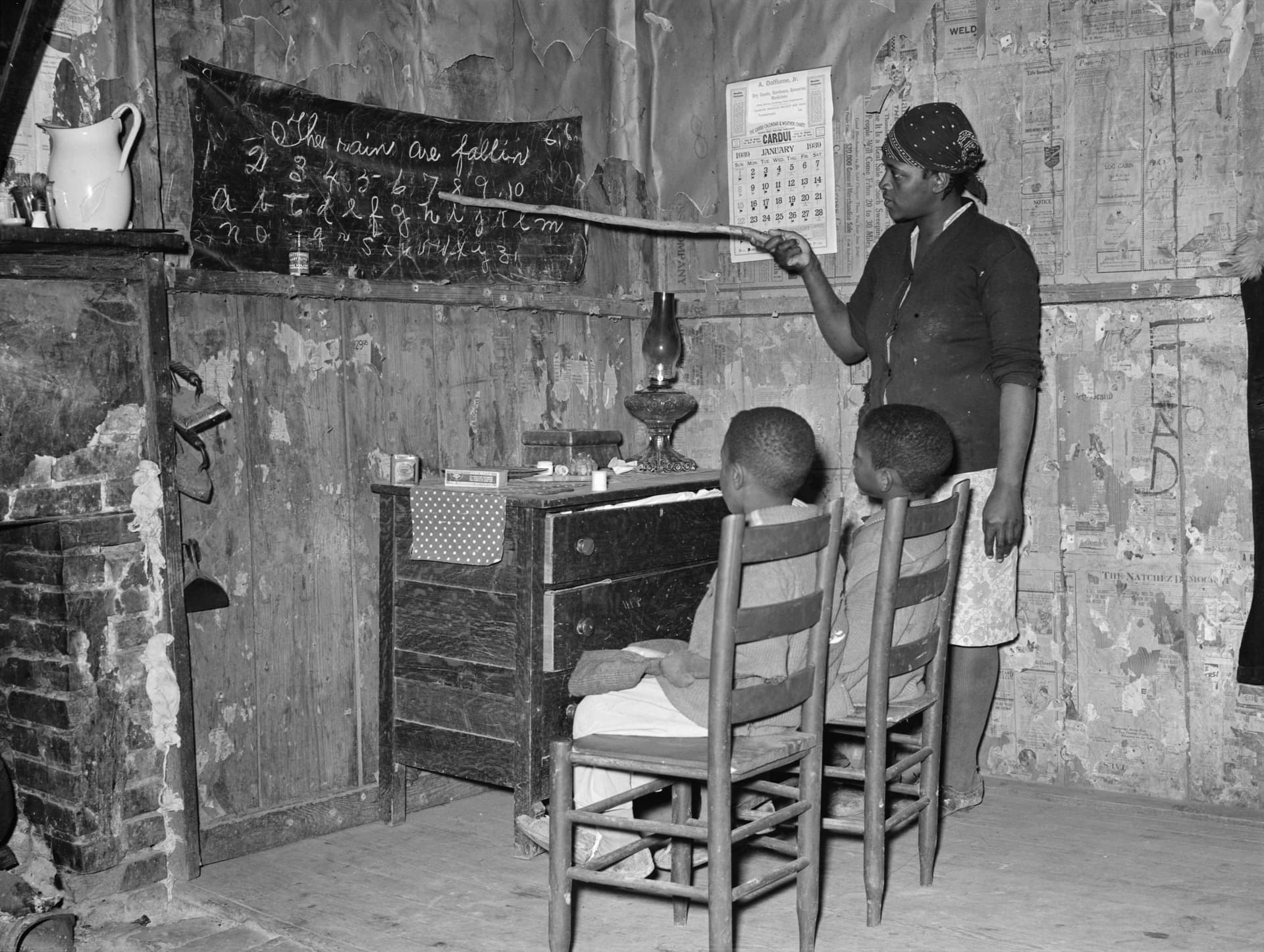
Homeschooling grew 51% during the pandemic. As of 2025, an estimated 5.5 million students are homeschooled in America. That's 5.5 million students whose parents decided the system wasn't working — and found something better.
That's a threat. Not to children's education, but to the education establishment's monopoly. Every homeschooled child represents lost per-pupil funding. Every successful homeschool family is a walking argument against the premise that professional educators and government curricula are the only path to learning.
As a mother, I can tell you: we didn't pull our kids out of school because we thought it would be easy. We did it because we looked at what they were being taught and decided our children deserved better.
What You Can Do
Know your state laws. Contact your legislators. Connect with your state homeschool association — they're watching these bills and organizing opposition. Show up to hearings. Testify. Bring your kids and let the committee see what "inadequately educated" actually looks like.
They counted on us not paying attention. That was their mistake. We're parents. Paying attention is what we do.