The Scoreboard
The Nation's Report Card — the National Assessment of Educational Progress, administered to a representative sample of American students every two years — released its latest results this month. The headlines wrote themselves.
Fourth-grade reading proficiency: 29%. Down from 34% in 2019. Fourth-grade math proficiency: 31%. Down from 40% in 2019. Eighth-grade performance showed similar or steeper declines across both subjects.
Less than one-third of American fourth graders can read at grade level. In the richest country in the history of the world. After spending more per pupil than any nation except Luxembourg.
Meanwhile, homeschooled students continue to outperform their public school peers by an average of 30 percentile points on standardized tests. That gap hasn't changed in two decades. If anything, it's widening.
The Inconvenient Comparison
The education establishment has a standard response to homeschool performance data: selection bias. Homeschooling families tend to be more educated and more engaged, they argue. The comparison isn't fair.
Here's what gets me: even when researchers control for parental education and household income, homeschooled students outperform by 20+ percentile points. The advantage is largest in reading comprehension and writing — precisely the skills that require sustained, individualized attention.
And the cost comparison is devastating. The average per-pupil expenditure in U.S. public schools is approximately $15,600 per year. The average homeschool family spends between $600 and $2,500 per year per child on curriculum, materials, and activities. The output is better. The input is a fraction.
What Homeschool Families Know
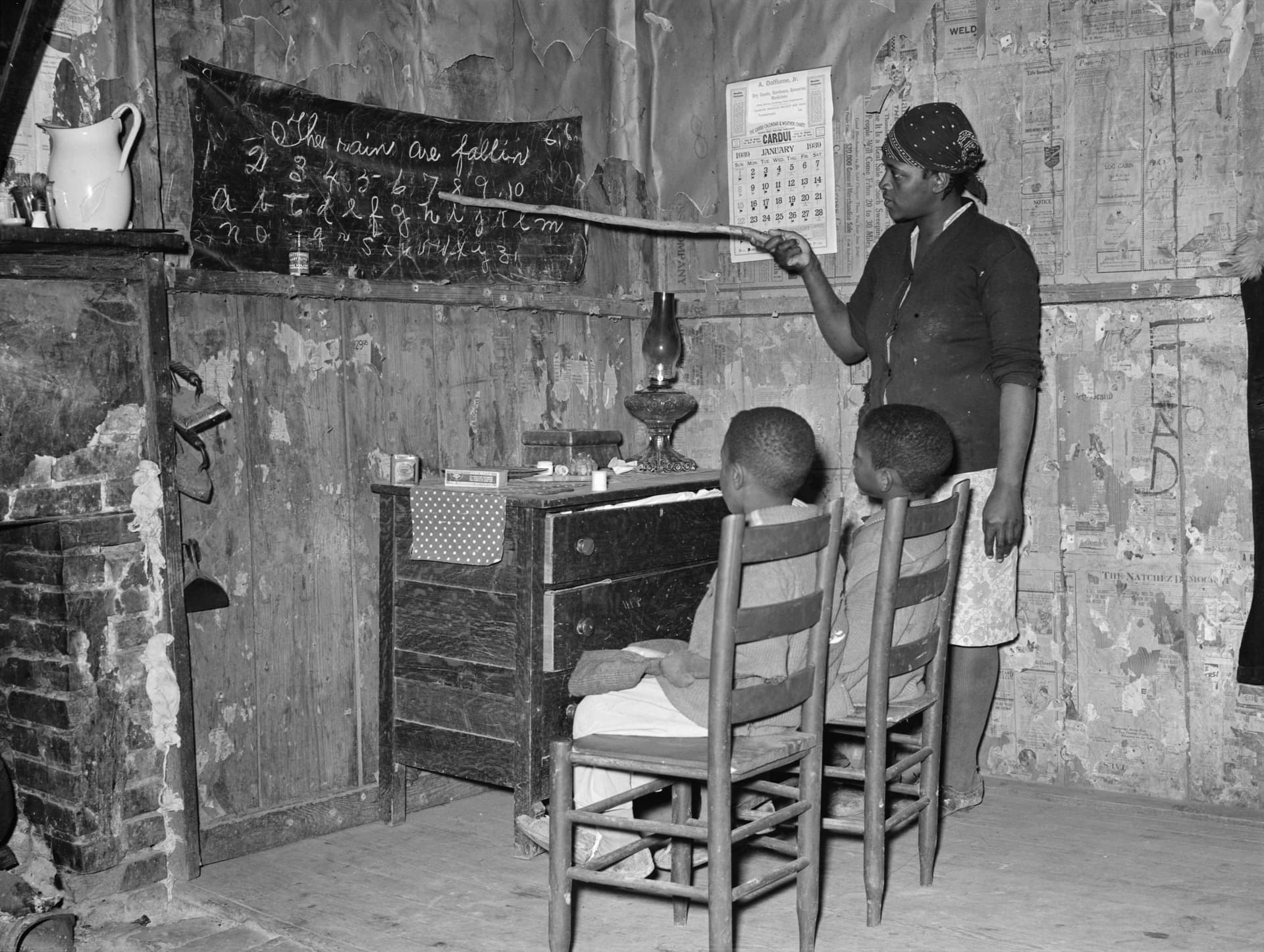
As a mother, I can tell you what homeschool families know that the system doesn't want to admit: children learn differently. They learn at different rates, in different ways, and with different motivations. A system that puts 25 children in a room with one adult and expects them all to absorb the same material at the same pace isn't education. It's crowd management.
Homeschooling isn't for everyone. It requires a parent who can dedicate the time, a family that can manage on one income or a flexible schedule, and the willingness to take responsibility for your child's education rather than outsourcing it. It's hard. It's exhausting. And it works.
We didn't pull our kids out of school because we thought it would be easy. We did it because we looked at the test scores, we looked at the curriculum, and we decided our children deserved better. The Nation's Report Card just confirmed what we already knew.
The Lesson
The homeschool mom they called radical, antisocial, and overprotective was right. Not about everything — no one is right about everything. But about this: that the system was failing, that parents could do better, and that the most important educational technology isn't a tablet or a smartboard. It's a parent who cares enough to teach.
The scores don't lie. And they never did.