The Intellectual Shift
For seventy years, the predominant intellectual alignment among Black academics has been progressive. Civil rights organizations, the NAACP, the Urban League, major universities, and African American studies departments have been dominated by left-leaning thought. Conservative Black intellectuals existed but were marginal voices: Thomas Sowell, Walter Williams, Shelby Steele. They were exceptions, not representatives of broader intellectual trends.
That's changing. Black academics and public intellectuals are now engaging seriously with conservative institutions: the American Enterprise Institute, the Heritage Foundation, universities with Republican-aligned faculties. Some are publishing in conservative outlets. Some are speaking at conservative conferences. Some are running for political office on conservative platforms. This isn't a small-scale shift. It's a significant reorientation of African American intellectual alignment.
The trigger is complex. Frustration with progressive educational approaches, particularly around race and identity politics in schools. Concern that progressive economic policies haven't produced measurable improvement in Black economic outcomes. Skepticism about elite progressive institutions after the failures of urban policy in majority-Black cities. Some of it is also just intellectual fashion: conservative thought is less saturated, more contrarian, and therefore more appealing to ambitious young scholars looking for space to build reputations.
What This Means Institutionally
Universities are noticing this shift. Conservative institutions are hiring Black scholars to teach economics, political science, history, and African American studies. The salaries are competitive. The reputational benefits are real. A Black scholar who publishes with the Heritage Foundation reaches a different audience than one publishing in journals read primarily by progressive academics. Both expand intellectual influence, just in different directions.
This is creating a diversification within Black intellectual life that didn't exist before. A twenty-five-year-old Black student in 2026 might encounter conservative economic theory from a Black economist. Twenty years ago, that student would have encountered progressive economic critique. Neither is better. But the existence of both means Black students are exposed to intellectual diversity within their own community.
The institutional question is whether traditionally Black colleges and universities will adapt. HBCU administrators have historically maintained strong progressive orientation. Their boards, their faculties, their curricula reflect that. If top Black scholars are increasingly choosing conservative institutions, HBCUs face a choice: adapt their intellectual portfolio to include conservative perspectives, or cede their best scholars to other institutions.
The Political Implications
In electoral terms, this intellectual shift is significant but not (yet) determinative of Black voting patterns. Black voters remain predominantly Democratic, with roughly 85 to 90 percent voting Democrat in recent elections. That hasn't changed. What has changed is the intellectual foundation of that allegiance. Black voters are voting Democrat out of habit and institutional loyalty, not because Black intellectuals are producing rigorous arguments for why Democratic policies serve Black interests best.
Conservative Black intellectuals are making the opposite argument: Democratic policies on education, economics, and urban governance have underperformed. Black voters should consider Republican alternatives. This argument isn't winning at the ballot box yet, but it's changing the intellectual climate. That's a leading indicator. Intellectual shifts precede political shifts.
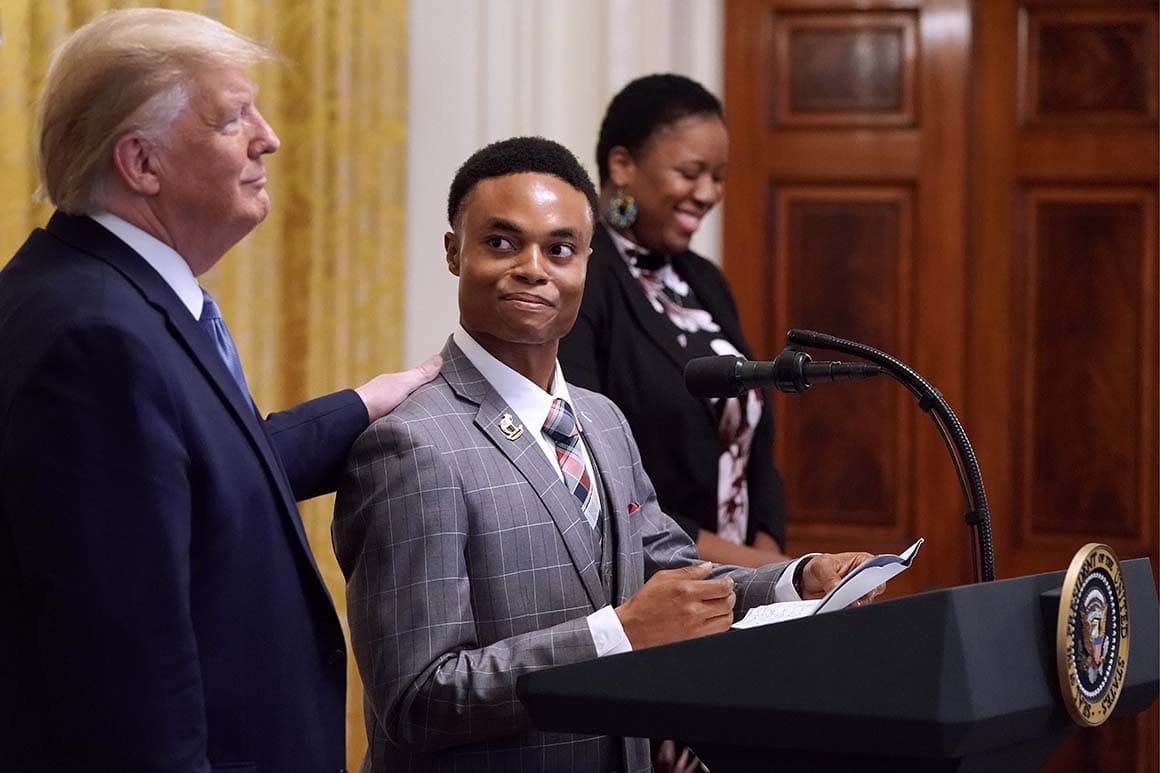
The Trump administration has signaled that it's recruiting Black intellectuals and politically engaged Black professionals. Whether this represents a genuine strategic pivot or opportunism is debatable. But the fact that conservative institutions are aggressively recruiting and platforming Black thinkers is new. It suggests a longer-term strategy to diversify the conservative intellectual coalition.
What's Driving the Skepticism Toward Progressive Orthodoxy
A few concrete grievances animate the shift. Educational policy: progressive approaches to race-conscious curriculum, identity-focused pedagogy, and de-emphasis on traditional achievement metrics have had mixed results. Some argue they've weakened academic standards without improving Black student outcomes. Some argue the opposite. The empirical debate is real.
Economic policy: progressive urban governance has been dominant in majority-Black cities for thirty years. Poverty rates, crime rates, and educational outcomes in those cities haven't improved dramatically. A Black scholar can reasonably argue that progressive governance has failed. That argument builds credibility when it comes from someone inside the African American community rather than from outside critics.
Cultural politics: progressive emphasis on identity and grievance has resonated with some Black intellectuals but alienated others who see it as divisive, self-defeating, or insufficiently focused on material conditions. This is an old intellectual debate within the Left, but it's now producing cross-ideological engagement rather than staying confined within progressive circles.